
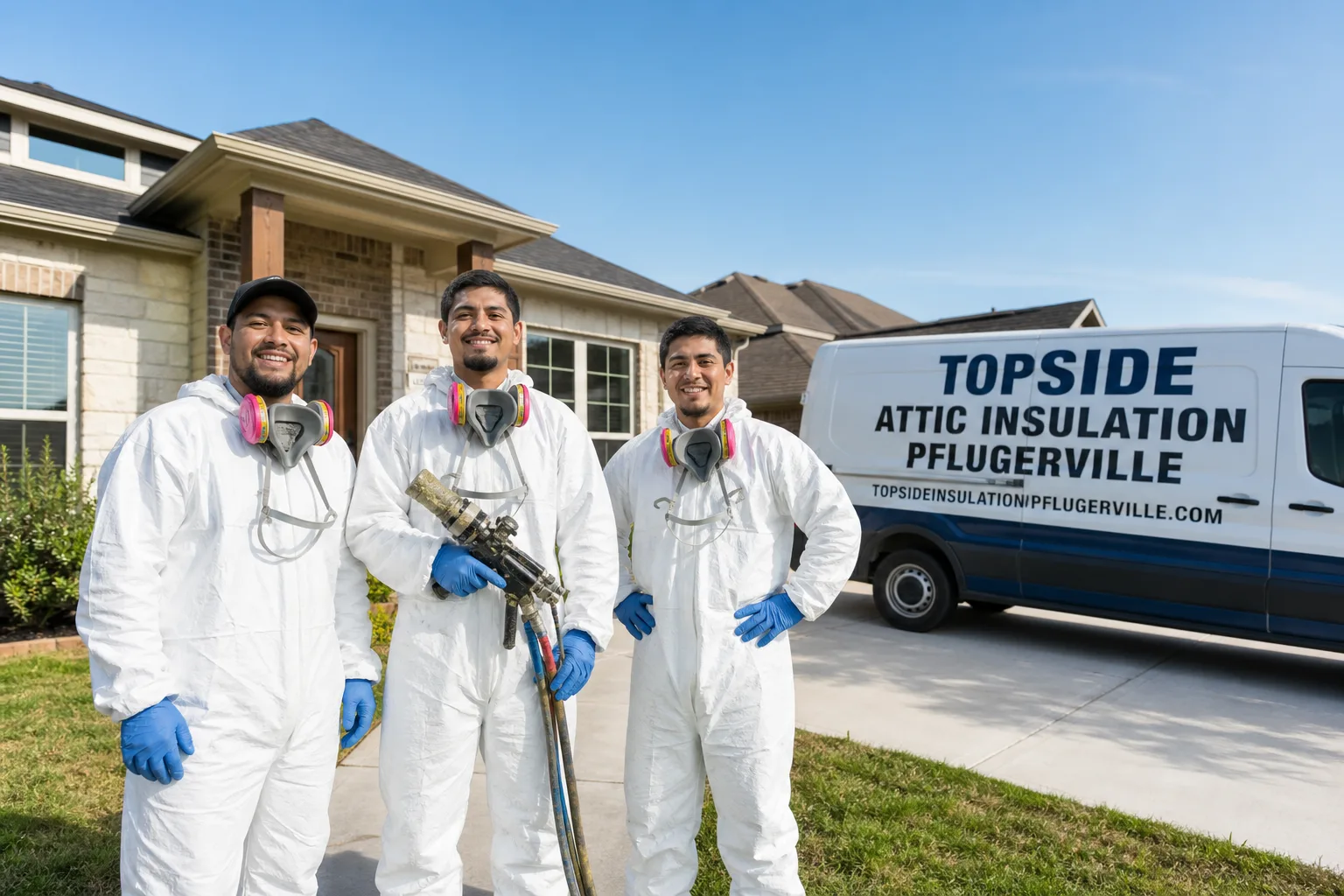
How Much Does Attic Cleaning & Rodent Proofing Cost in Pflugerville?
Attic cleaning and rodent proofing in Pflugerville, TX typically costs between $1,200 and $4,800 for a standard single-story home, with most jobs landing around $2,000-$2,800 once you factor in contaminated insulation removal, sanitizing, and sealing the entry points rodents used to get in. Homes with heavier infestations, blown-in insulation that’s been soiled throughout, or larger square footage (over 2,000 sq ft) push toward the higher end. The price range is wide because attic conditions in Pflugerville vary considerably - a house in Pflugerville’s Stone Hill Farms subdivision that’s had roof rats in the attic for one season looks very different from a home in Blackhawk that’s been dealing with Norway rats and roof damage for two or three years.
Attic Cleaning & Rodent Proofing Cost Breakdown (2026)
Here’s how the costs typically break out on Pflugerville jobs. These are real ranges drawn from work in this market - not national averages padded to sound reasonable.
| Service Component | Typical Cost Range (Pflugerville, 2026) |
|---|---|
| Contaminated insulation removal (full attic, per 1,000 sq ft) | $600 - $1,100 |
| Attic vacuuming, debris, and dropping removal | $200 - $500 |
| Attic sanitizing and deodorizing (enzyme-based treatment) | $250 - $600 |
| Rodent entry-point sealing (exclusion) - per point | $35 - $120 per penetration |
| Full rodent proofing / exclusion package (typical home) | $400 - $1,200 |
| New blown-in insulation after cleanup (per 1,000 sq ft, R-38 equivalent) | $700 - $1,400 |
| Attic air sealing (top plates, penetrations, can lights) before re-insulation | $350 - $900 |
| Dead animal retrieval and disposal | $75 - $250 per animal (location-dependent) |
| Full-service cleanup, exclusion, and re-insulation (complete job) | $2,200 - $5,500 |
A few things to understand about this table. First, the contaminated insulation removal line is usually the biggest single cost driver, because insulation that’s been soiled with rodent urine, feces, or nesting material can’t simply be pushed aside - it has to come out, and disposal fees in the Pflugerville area add $100-$250 on top of the labor rate. Second, rodent proofing isn’t sold by the linear foot; it’s sold by the entry point, which means a home with one loose soffit panel costs a fraction of what it costs to seal a home where rats have been using six or eight separate gaps around pipe penetrations, gable vents, and HVAC lines. Third, if you’re going to put new insulation back in - which you should - attic air sealing needs to happen first. Blowing insulation over an unsealed attic floor traps air leaks under a blanket and does nothing to fix your energy bills. That’s not an upsell; it’s the correct order of operations.
One pattern we see regularly in Pflugerville’s newer subdivisions, particularly homes built in the 2005-2018 range in areas like Falcon Pointe and Spring Trails: builders often left large, unsealed gaps around HVAC penetrations and recessed can lights. Rodents don’t gnaw these open - they were open from day one. That means even after a thorough exclusion job, if those penetrations aren’t sealed, a future infestation is almost certain. Including attic air sealing as part of the rodent proofing job solves both problems at once and is something Envelope Insulation Co. treats as standard practice rather than an optional add-on.
What Affects Attic Cleaning & Rodent Proofing Pricing in Pflugerville
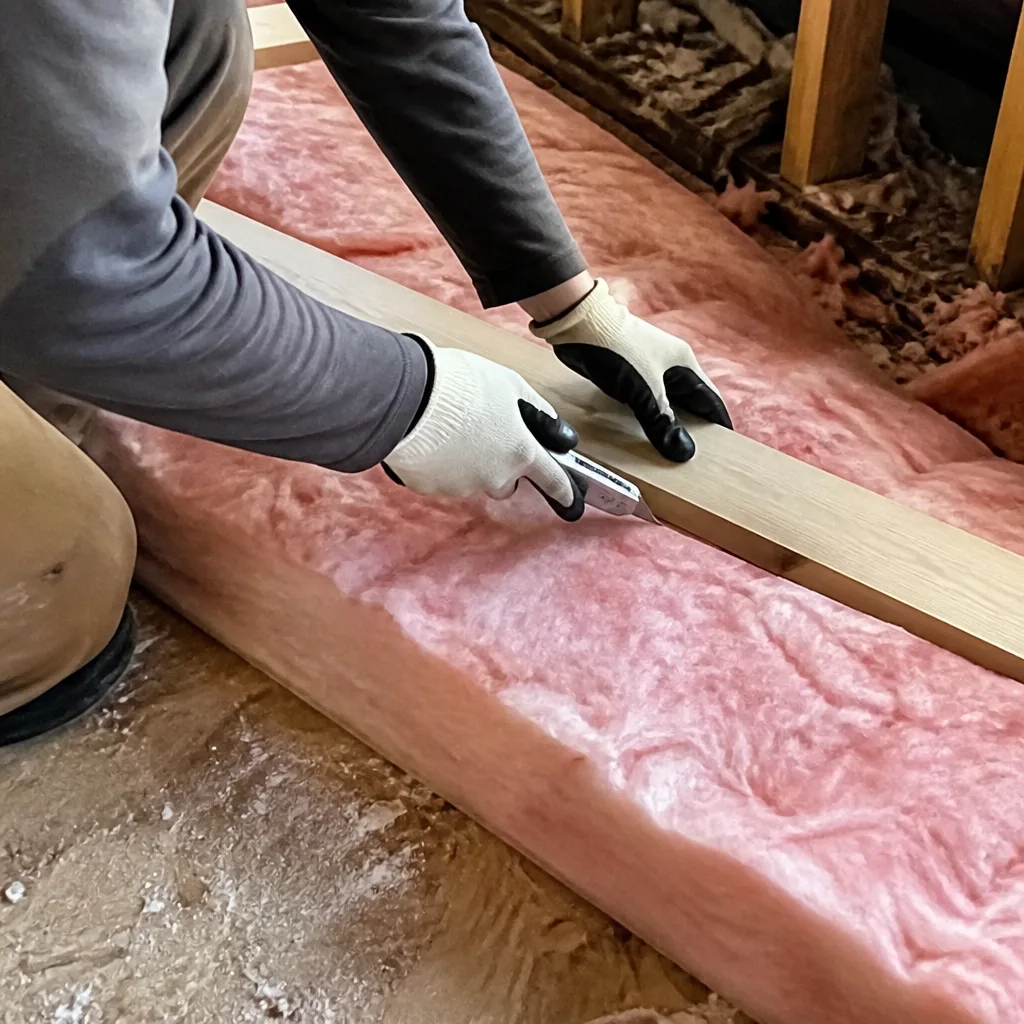
- Attic square footage and access difficulty. A 1,200 sq ft attic with a full-size hatch near the center of the home costs significantly less to clean than a 2,800 sq ft attic with multiple sections and low-pitch areas around the eaves. Homes in Pflugerville’s Ranch at Deer Creek neighborhood, for example, frequently have hip-roof designs with tight, low-clearance sections that slow down the removal process and increase labor time.
- Infestation severity and duration. A single nesting season leaves a relatively contained mess. Two or three years of rodent activity - which is common in homes purchased without a pre-purchase attic inspection - means insulation is saturated, wood framing may carry urine staining deep into the grain, and the sanitizing process takes considerably longer. Severe cases in Pflugerville can push a job from $2,500 to $4,500 or beyond.
- Type of existing insulation. Fiberglass batts are easier to bag and remove than 12-inch-deep loose-fill cellulose that has compacted around rafters and wiring. Blown-in cellulose removal in a Pflugerville attic typically runs $0.80-$1.20 per square foot in labor alone, while batt removal runs closer to $0.50-$0.75 per square foot.
- Number of rodent entry points. The exclusion price scales almost directly with the number of gaps that need to be sealed. A Pflugerville home with standard soffit vents, two pipe penetrations, and a functioning ridge vent might need four or five points sealed. An older home near Wells Point with deteriorating fascia boards, multiple HVAC line entries, and open gable vents could have fifteen or more. Each additional point adds $35-$120 to the job depending on complexity and materials needed.
- Structural damage to the attic deck or framing. Rat urine that’s had time to soak into OSB sheathing or rafters sometimes causes enough wood degradation that portions of the deck need treatment or replacement. This is less common but not rare in Pflugerville homes where the infestation went undetected for several years. When structural work is needed, costs can increase by $500-$1,500 or more depending on scope.
- Pflugerville’s climate - heat cycling and the rodent season pattern. Central Texas heat drives rodents into attics earlier in the fall than most of the country - we regularly see roof rats moving in by mid-October when the first cool fronts hit. The sustained summer heat (average highs above 95°F from June through September) also accelerates the breakdown of soiled insulation, meaning an infestation that started in spring can cause R-value and air-quality damage faster here than in a cooler climate. That seasonal pattern means Pflugerville homeowners who wait until December to address a suspected problem are often dealing with two to three months more damage than they would have in a milder market.
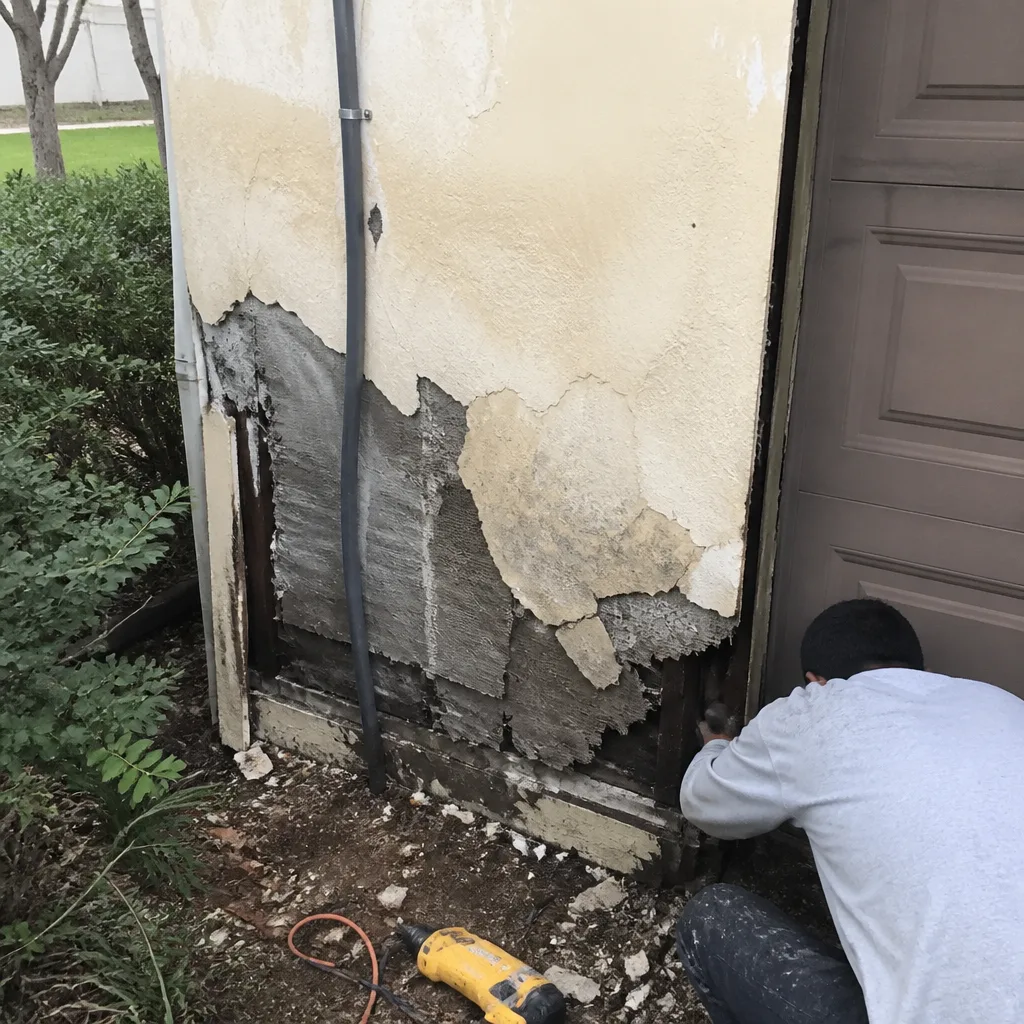 Before
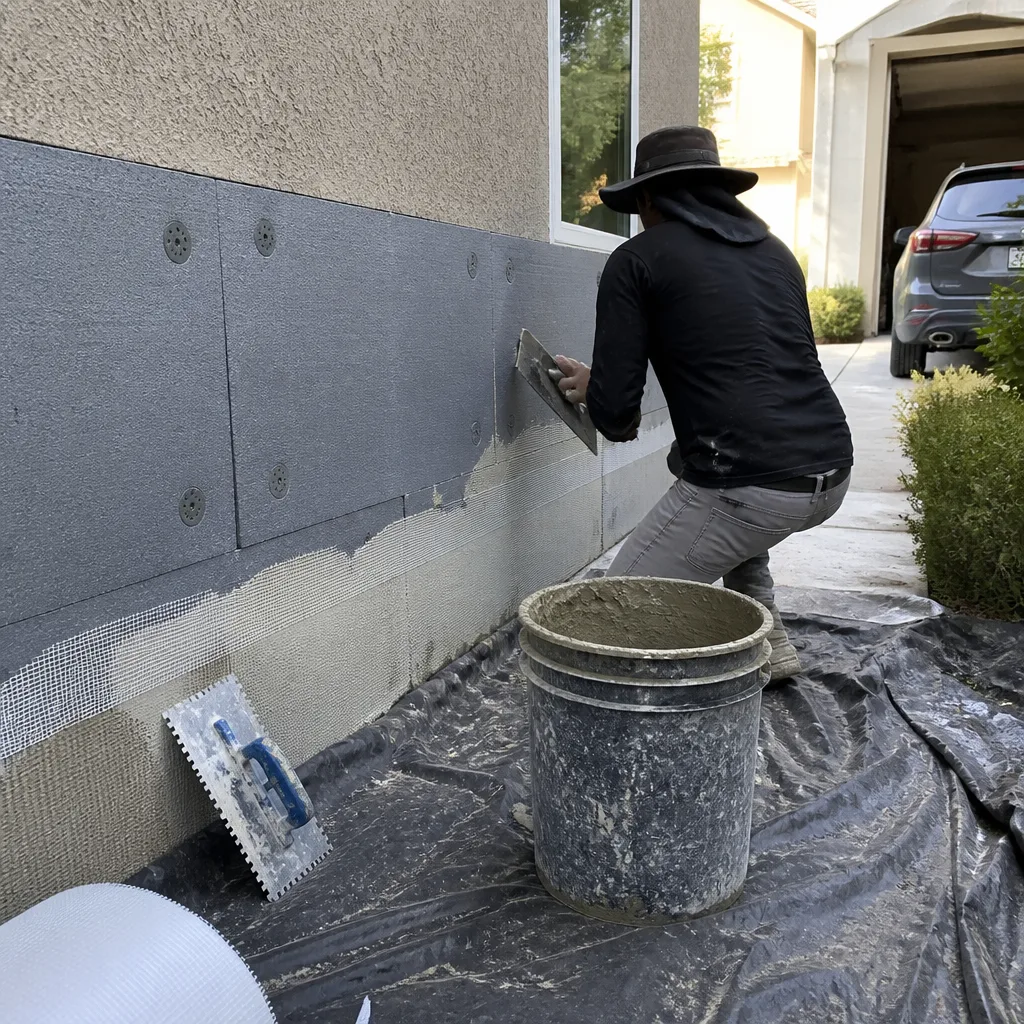 After
AfterHow to Save on Attic Cleaning & Rodent Proofing
The most effective way to control the total cost is to catch the problem early. A Pflugerville homeowner who calls after hearing scratching sounds in October - before rodents have had a full season to establish nesting - might need basic cleanup, spot sanitizing, and four or five entry points sealed for around $1,400-$1,800. That same home, addressed the following spring after a full winter of activity, often needs complete insulation removal and re-installation, deep sanitizing, and far more exclusion work, putting the bill at $3,000 or higher. Waiting costs money; the math is consistent.
A few other practical considerations:
- Get a written price before any work starts. Under Haven Standard Clause 1, a flat price, written scope, and written warranty are provided before anyone lifts a tool. That applies here. No work begins at Envelope Insulation Co. without a written estimate the homeowner has reviewed and approved. If a contractor quotes you verbally and asks you to approve work on a handshake, get that in writing first - or call us and we’ll put it in writing for you.
- Bundle the cleanup and re-insulation into one job. Mobilization costs (crew time, equipment setup, disposal truck) are paid once when both jobs happen together, versus twice when they’re scheduled separately. On a typical Pflugerville job, bundling saves $200-$500 compared to doing cleanup and insulation as separate projects with separate mobilizations.
- Include attic air sealing in the scope. This one isn’t primarily about saving money upfront - it’s about not paying for a rodent proofing job twice. Sealing the attic floor’s penetrations before re-insulation closes the same gaps rodents use to enter. You’re already paying to be in the attic; adding air sealing to that same visit costs far less than a separate air-sealing job would.
- Ask about a Free Second Opinion on any written estimate. If you’ve received a written quote from another contractor, bring it to us. We’ll read it with you - line by line - and tell you what’s priced fairly, what’s missing, and what might be inflated. That’s not a sales tactic; it’s a way to make sure you’re comparing actual scopes, not apples to unspecified items.
- Ask specifically about permit requirements. In Pflugerville, insulation-only work typically doesn’t require a permit, but if structural repairs or significant HVAC-adjacent work is involved, a permit may be required by the City of Pflugerville’s building department. A legitimate contractor will tell you upfront. Unpermitted structural work can complicate a home sale later.
For a free, no-obligation estimate on your specific attic, call (737) 259-8352. The estimate is written, priced flat, and comes with a documented photo record of attic conditions - so you know exactly what you’re being asked to pay for before you decide anything.
What the Job Actually Looks Like, Start to Finish
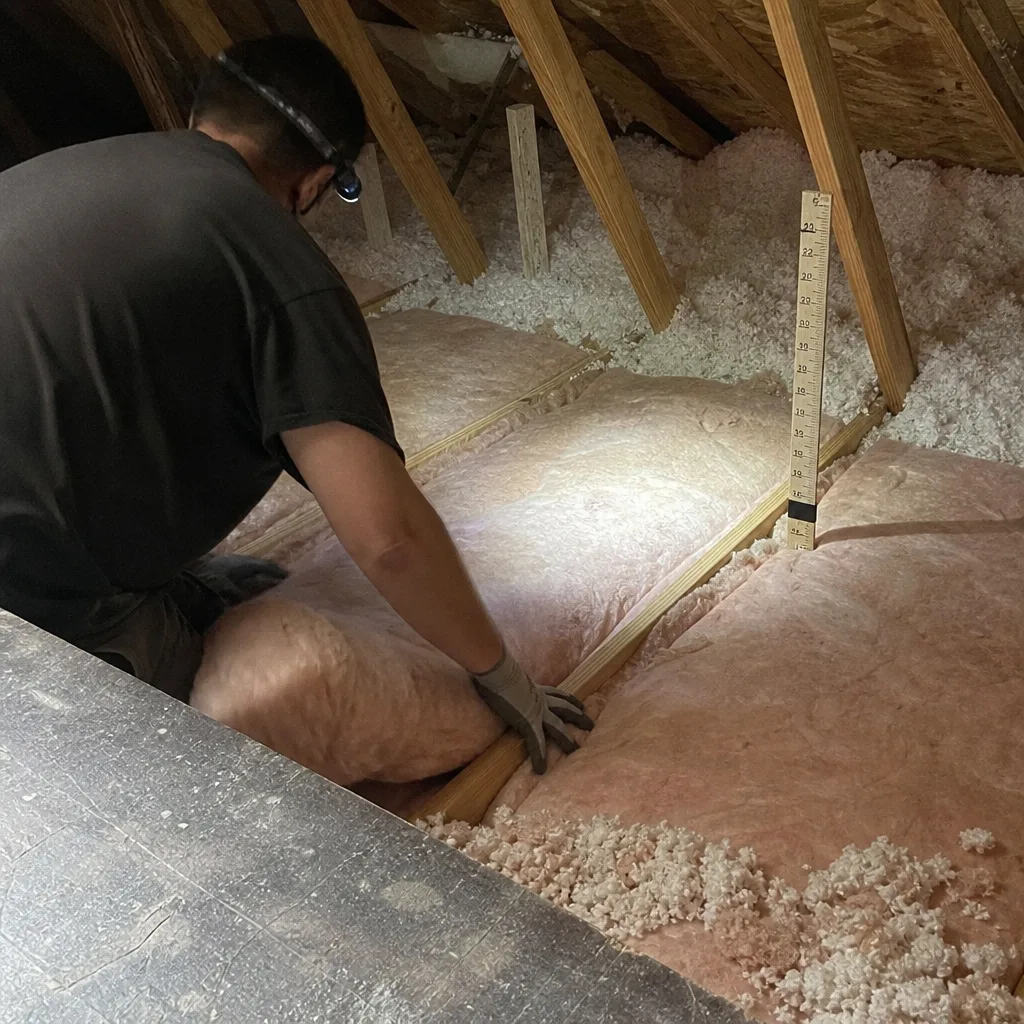
It helps to know what you’re authorizing before the crew arrives, so here’s what a full Attic Cleaning & Rodent Proofing job at a typical Pflugerville home looks like in practice.
The job starts with an attic inspection - not a salesperson, a technician. The technician documents existing insulation depth and condition, identifies rodent activity evidence (feces, urine staining, nesting material, gnaw marks), photographs all accessible entry points, and notes any secondary concerns like damaged HVAC ductwork or wiring that rodents may have compromised. All of that becomes the documented photo record included with every job.
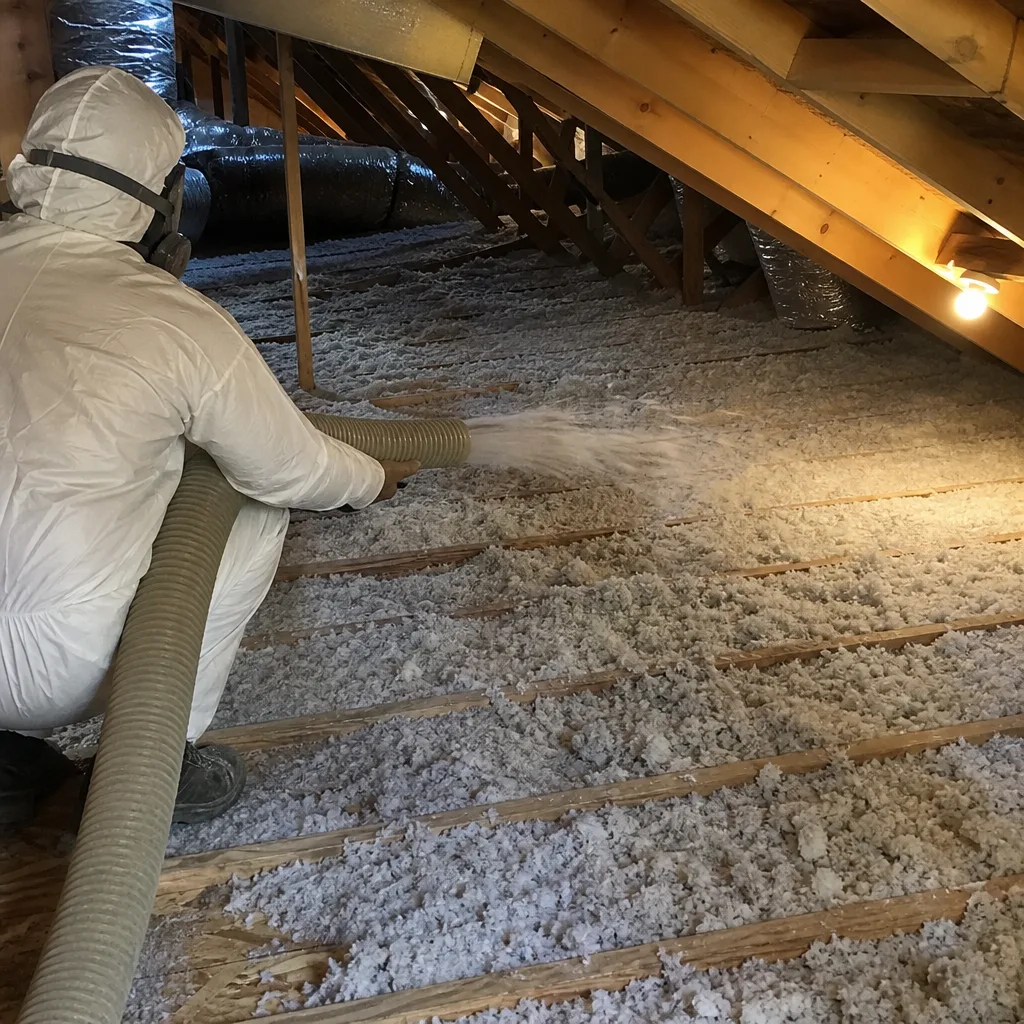
If contaminated insulation needs to come out - and in most active-infestation cases it does - the crew uses a commercial vacuum truck or high-capacity portable HEPA-equipped vacuum system to remove the material without distributing particulates through the living space. Hantavirus is a real risk in rodent-contaminated attics, and this step isn’t one to shortcut. The removed material is bagged, sealed, and disposed of properly.
After the attic deck is cleared, the sanitizing agent - typically an enzyme-based formula that breaks down the organic compounds in urine and feces rather than just masking odor - is applied to the wood framing, sheathing, and any remaining surfaces. The attic needs adequate dry time before anything else goes in.
Attic air sealing comes next. Top plates, pipe penetrations, wiring pass-throughs, recessed can lights, and HVAC boots are all sealed using a combination of spray foam, caulk, and rigid blocking as appropriate. This is the step that most rodent-proofing-only contractors skip, and it’s why re-infestations happen. On Envelope Insulation Co. jobs, sealing the attic floor’s penetrations is completed before any new insulation is installed. Sealed first, then insulated - that sequence matters.
Rodent exclusion - sealing the exterior entry points - runs concurrently or immediately after. Roof-line gaps, soffit penetrations, pipe entries, and vents are sealed with hardware cloth, sheet metal flashing, or foam board as appropriate to the specific opening. The goal is a physical barrier, not a deterrent.
New insulation goes in last. Most Pflugerville attics benefit from blown-in fiberglass or cellulose installed to R-38 or R-49 depth, depending on the home’s existing energy performance. On applicable jobs, a before-and-after blower-door test is conducted - a pressurization measurement that shows, in one number, how much conditioned air the building envelope was losing before the air sealing and after. That number goes in the documented job record, so there’s verifiable evidence of what changed, not just an assurance that things are better.
Rodent Proofing and Air Sealing: Why They’re the Same Job
In Pflugerville’s building stock, particularly in homes built between 2000 and 2015 in subdivisions like Verona, Heatherwilde, and Cameron Farms, the gaps that let conditioned air escape in summer are frequently the same gaps that let roof rats enter in fall. A 1-inch gap around a plumbing vent stack loses a measurable amount of air-conditioned air every hour in July and gives a rat clear access in October. These are not two separate problems with two separate budgets; they’re one structural deficiency with two consequences.
Treating them together is more cost-effective, more durable, and produces a measurably better result. The Attic Cleaning & Rodent Proofing in Pflugerville service page covers what the full scope of that combined work includes, along with what’s in the written scope before any work starts.
Comparing Quotes: What to Watch For
Not all attic cleaning quotes in the Pflugerville market cover the same scope. Here’s what to confirm before accepting any estimate:
- Does the quote specify the method of insulation removal, and does it include disposal fees? Some contractors quote removal but bill disposal separately, which can add $150-$300 to the final invoice.
- Does it include sanitizing, or is that a separate line item? Basic “cleanup” and enzyme-based sanitizing are two different things, and the latter is what actually addresses the urine-contaminated framing that causes persistent odor.
- Is the exclusion scope written - meaning a specific number of entry points or a description of the exclusion method - or does it say something vague like “rodent proofing included”?
- Does the quote address what happens if additional entry points are found once the crew is in the attic? A written-price contractor answers that question upfront; a contractor who doesn’t is setting up a change-order conversation at the worst possible moment.
- Is there a warranty, and is it in writing? Verbal warranties are worth what they’re printed on. The 365-Day Done Right Promise at Envelope Insulation Co. is written and delivered before the job starts.
If you have a written quote from another contractor and want a second read on the scope and pricing, bring it to us. Reviewing competing quotes is something we do at no charge - call (737) 259-8352.
A Note on DIY Attic Cleaning for Rodent Contamination
Rodent-contaminated attics present genuine health risks. Dried rodent droppings and urine are a source of hantavirus, leptospirosis, and salmonella - all of which can become airborne during disturbance if proper respiratory protection and containment procedures aren’t used. We’re not going to walk you through self-removal of heavily contaminated material, because the risk of exposure during improper cleanup is real and the consequences are serious. If you suspect light contamination (one or two droppings, no strong odor, no evidence of active nesting), spot cleaning with sealed N95 or P100 respirator, gloves, and an enzyme disinfectant is reasonable. If the smell hits you when you open the hatch, if the insulation is visibly stained, or if there’s any evidence of long-term nesting, call a trained contractor who has the equipment to do this safely.
FAQs: Attic Cleaning & Rodent Proofing Cost in Pflugerville
How much does attic cleaning and rodent proofing cost in Pflugerville, TX?
Most Pflugerville homeowners pay between $1,200 and $4,800, with the majority of standard single-story homes landing in the $2,000-$2,800 range when the job includes insulation removal, sanitizing, exclusion, and re-insulation. Larger homes or severe infestations can run higher. A written estimate with line-item pricing is available free - call (737) 259-8352 and we’ll walk through the numbers with you before any work is scheduled.
Is it worth replacing the attic insulation after a rodent infestation?
Yes, in most cases. Insulation that has been saturated with rodent urine loses a measurable portion of its thermal resistance (R-value) and continues to off-gas odor compounds even after the rodents are gone. A home with R-38 insulation that’s been heavily soiled may be performing closer to R-22 or R-28, which is a real energy cost in Pflugerville’s climate where attic temperatures regularly exceed 140°F in July and August. Beyond energy performance, soiled insulation is a persistent source of indoor air-quality problems. In most infestations of any severity, full removal and replacement costs less over five years than the combination of continued energy loss and future sanitizing attempts.
How long does attic cleaning and rodent proofing take?
A typical Pflugerville job runs one to two days for the complete scope: removal, sanitizing, exclusion, air sealing, and re-insulation. Larger homes or severe infestations may run into a third day. The sanitizing phase requires dry time before new insulation goes in, which is a factor in scheduling. Jobs that skip re-insulation (cleanup and exclusion only) are usually completed in a single day.
Will rodent proofing prevent future infestations?
A properly executed exclusion - meaning every identified entry point is physically sealed with durable materials, not just foam alone - significantly reduces the likelihood of re-infestation. No exclusion job carries a guarantee that a rodent will never find a new entry point, because houses settle, caulk ages, and soffit materials deteriorate over time. What a good exclusion job does is close the specific pathways in use today and eliminate the interior conditions (available nesting material, easy access to food or water lines) that attract repeat entry. Including attic air sealing in the scope addresses a secondary layer of the same openings. If re-infestation occurs within the 365-Day Done Right Promise period, we come back and address it.
Does homeowners insurance cover attic cleaning after a rodent infestation?
Typically, no. Standard homeowners insurance in Texas treats rodent damage as a maintenance issue rather than a covered peril. Some policies will cover secondary damage - for example, if a rodent chewed through wiring that then caused a fire - but the cleanup and remediation costs themselves are almost always out-of-pocket. A few add-on endorsements exist that cover pest-related remediation, so it’s worth checking your specific policy before assuming. Documenting the extent of the damage with a professional attic inspection report - which we provide as part of the documented photo record on every visit - gives you the best foundation if you do file a claim for any secondary damage.
Key Takeaways
- Attic cleaning and rodent proofing in Pflugerville runs $1,200-$4,800 for most homes, with the average complete job (removal, sanitizing, exclusion, re-insulation) landing near $2,000-$2,800.
- The biggest cost drivers are attic square footage, infestation severity, insulation type, and number of entry points.
- Pflugerville’s climate accelerates insulation damage from rodent contamination; addressing the problem in fall rather than waiting until spring consistently reduces total job cost.
- Attic air sealing should be included in the same scope as rodent proofing - the gaps are the same gaps.
- A written price, written scope, and written warranty before any work starts is non-negotiable on every Envelope Insulation Co. job. No verbal estimates, no change-order surprises.
- The 365-Day Done Right Promise covers all completed work in writing.
- Free Second Opinion on any written estimate you’ve already received.
For a free written estimate on your Pflugerville attic, call (737) 259-8352. A live person answers - no voicemail, no callback window. The estimate includes a documented photo record of current attic conditions and a flat written price before anyone schedules work. Wes Okafor and the team at Topside Attic Insulation Pflugerville have been documenting and sealing building envelopes in Pflugerville since 2016, and every job closes with the same thing: a written record of what was found, what was done, and what the result measured.
Written by Wes Okafor, Owner at Topside Attic Insulation Pflugerville (operating as Envelope Insulation Co.), serving Pflugerville, TX since 2016.
Pricing reflects the Pflugerville market as of 2026. Topside Attic Insulation Pflugerville offers free estimates – call (737) 259-8352.
What Our Customers Say
"They photographed rodent damage in the old insulation that we had no idea about, and priced the exclusion work separately so we could decide."
- Harriet N."The winter gas bill dropped by about a third. They had estimated a quarter, so they under-promised."
- Genevieve R."Crawl space encapsulation done properly. Photographs of the vapour barrier at every seam, and the damp smell in the hallway is gone."
- Ainsley P.