
Rockwool Vapor Barrier Installation: The Pflugerville Owner’s Guide
Rockwool vapor barrier installation in Pflugerville typically runs $1,400-$2,800 for a complete attic-floor system, depending on square footage and whether we’re sealing over existing batts or pulling degraded material first. We stock Rockwool-compatible vapor barrier membranes and sealing tapes on every truck, and most Pflugerville jobs are completed same-day once the written scope is approved. Homeowners usually discover the failure during our initial blower-door test - a pressurization reading that shows, in one number, how much air the building envelope is losing - when the vapor barrier has pulled away from top plates, letting attic air migrate through the insulation layer.
Which Rockwool Models This Applies To
Rockwool’s residential line in Central Texas is almost entirely Comfortbatt and AFB (Acoustical Fire Batt) series, with Comfortbatt R-23 and R-30 being the batts we see most often in Pflugerville’s 2015-2022 builds. The vapor barrier we’re installing is not a Rockwool-manufactured part - Rockwool batts are unfaced mineral wool - so the compatibility question is really about which membrane system pairs correctly with the density and friction fit of the batts already in place.
We match either a 6-mil polyethylene sheet or a variable-perm “smart” membrane (like CertainTeed MemBrain or ProClima Intello) depending on the attic’s seasonal humidity swing. The gotcha: Comfortbatt’s 2.5 lb/ft³ density compresses poorly under sagging poly. If your Pflugerville attic runs hot in summer - and most do, particularly north of 45 Toll where roof pitches are shallower - a loose poly sheet laid over Rockwool will belly down and trap condensation against the batt face. We spec smart membranes for those jobs, even though the material cost is higher, because the permeance rating changes with relative humidity. OEM vapor barriers don’t exist for Rockwool batts; the decision is aftermarket membrane quality and installation method.
Identification is straightforward: Rockwool batts are brown-grey, fibrous, and noticeably heavier than fiberglass. If there’s any existing facing, it was added by a previous installer and is likely failing at the staple line.
Signs Your Rockwool Vapor Barrier Installation Is Failing
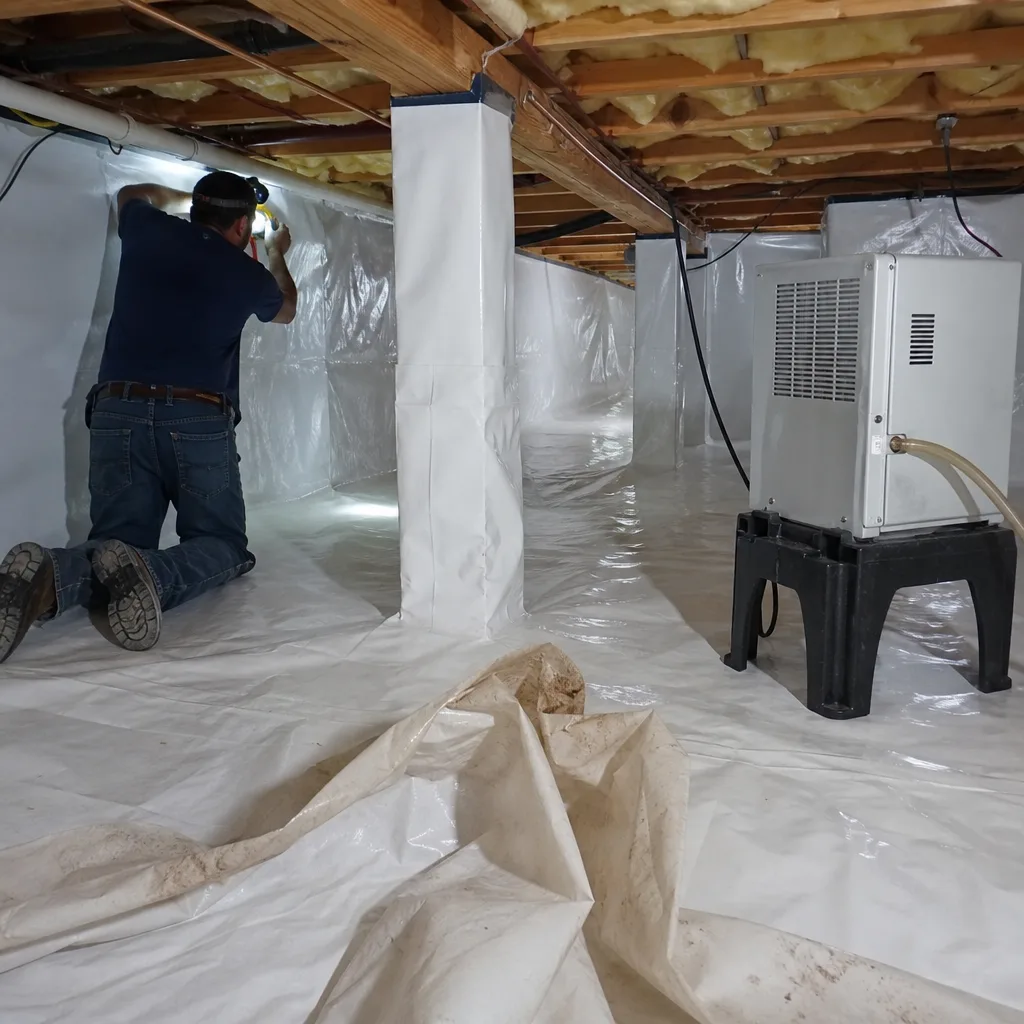
- Ceiling stains after hard rain. Water spots that appear without roof leaks often mean attic air is carrying moisture through gaps in the vapor barrier, condensing on the cooler drywall surface. In Pflugerville, this shows up first in rooms with cathedral ceilings or where ductwork runs through the attic.
- Musty smell from ceiling registers. When the vapor barrier separates from top plates or can-light housings, attic air pulls into the conditioned space through leakage paths. Rockwool itself is mold-resistant, but the dust and organic debris on the attic side smells stale when it migrates downward.
- Insulation settling visible at attic hatch. Rockwool doesn’t settle like cellulose, so if the batt surface is lower than the joist tops, someone has likely disturbed it during a failed vapor barrier retrofit. We see this in Pflugerville’s Stone Hill Town Center corridor where homeowners have had multiple contractors in the attic.
- Blower-door number hasn’t moved after “insulation” work. If a previous crew added batts without sealing the air barrier first, the CFM50 reading stays nearly flat. The report tells you what the house does. The insulation changes what the house does. Those are two different conversations.
- Ice damming or heavy frost on roof nails in winter. Even in Central Texas, hard freezes happen. Warm, moist air escaping through a compromised vapor barrier hits the cold roof deck and condenses. The frost melts in the next warm spell and wets the batt edges.
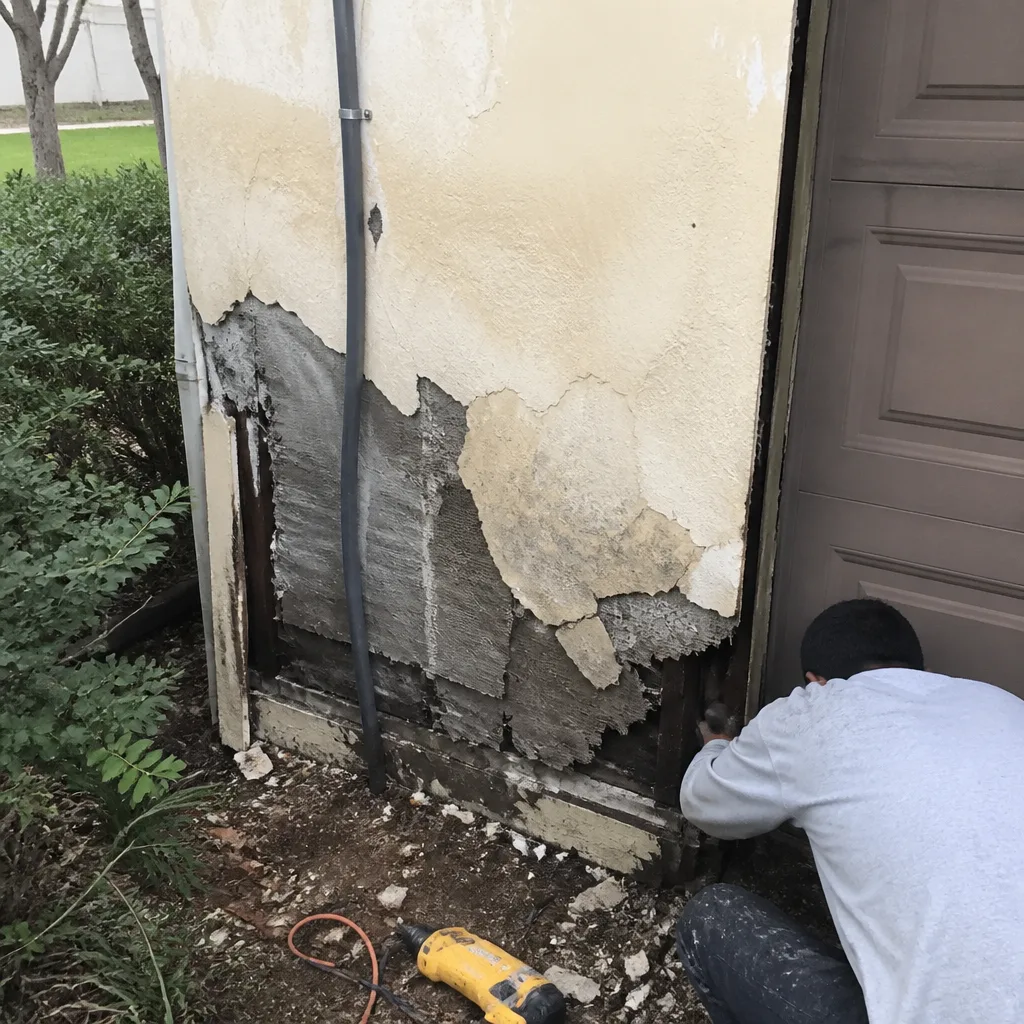 Before
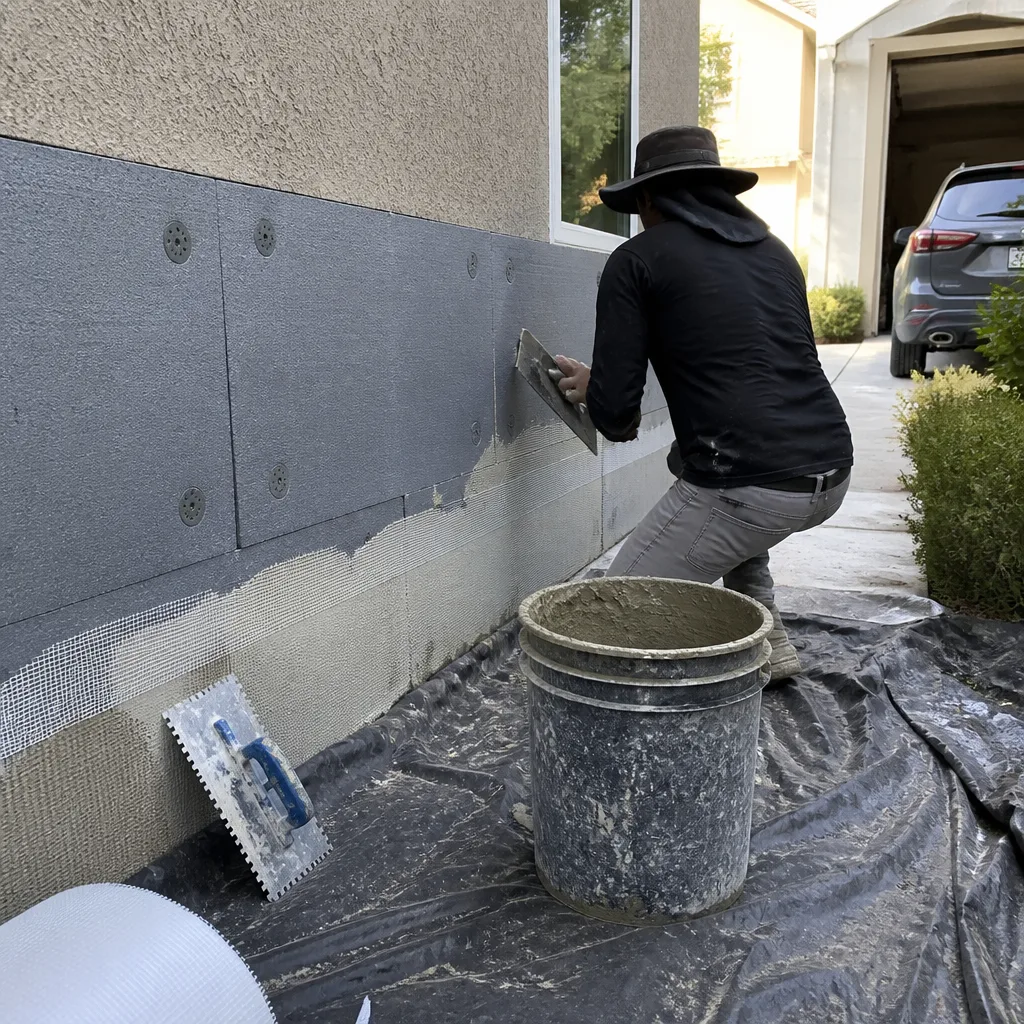 After
AfterReplacement Cost & What’s Included
| Scope | Typical Range in Pflugerville |
|---|---|
| Vapor barrier over existing Rockwool, attic floor only, up to 1,200 sq ft | $1,400 - $1,900 |
| Same, plus top-plate and can-light sealing | $1,900 - $2,400 |
| Pull degraded material, re-batt, new barrier, full air seal | $2,200 - $2,800 |
| Smart membrane upgrade (ProClima Intello or equivalent) | Add $280 - $420 |
The range depends on three things: attic square footage, accessibility (truss height and whether there’s decking), and how much air sealing is needed before the membrane goes down. We don’t install vapor barriers over unsealed top plates - that’s Haven Standard, not an upsell. Every job includes the Documented Photo Record, written scope, and written warranty delivered before anyone lifts a tool. On applicable jobs, you’ll receive before-and-after blower-door numbers showing the actual CFM50 reduction. The 365-Day Done Right Promise covers all completed work.
DIY or Call Us?
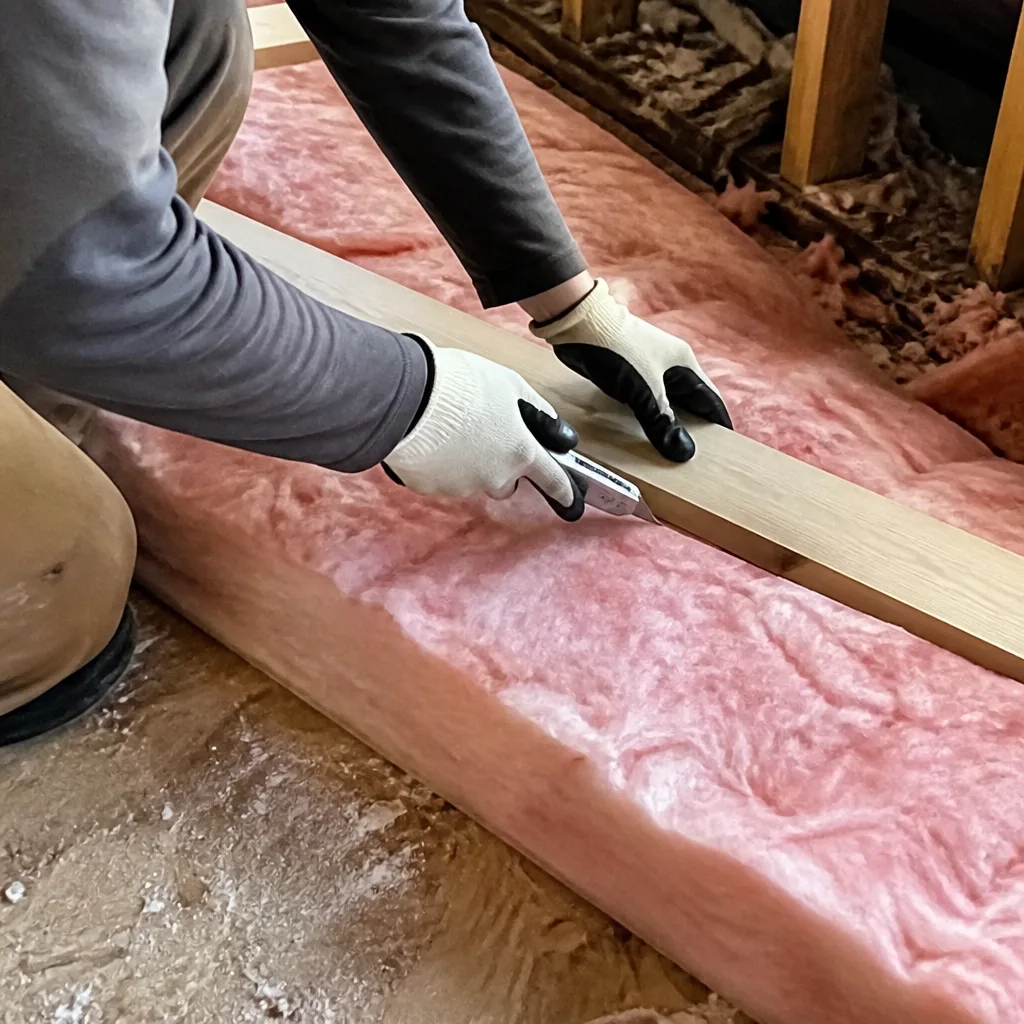
There’s no high-tension danger here, but there is a precision problem. A homeowner can safely check whether existing poly is still stapled at the perimeter and whether can-light covers are in place. What’s harder to assess without a blower door is whether the air barrier is actually continuous - gaps of even a few square inches at top plates undermine the entire system.
Where DIY goes wrong: laying new poly over old without addressing the air leaks beneath it, using the wrong tape (duct tape fails in attic heat; we use acrylic adhesive vapor-barrier tape rated for 180°F), or compressing Rockwool batts while crawling around. Compressed mineral wool loses R-value fast and doesn’t recover. If you’ve already bought the Rockwool and need the barrier system matched correctly, call (737) 259-8352. We’ll read your situation and give you a written price before any work starts - no charge for the assessment.
FAQs
In Pflugerville’s climate, a properly installed polyethylene vapor barrier lasts 15-20 years; smart membranes often stretch toward 25. The failure point is almost always the tape or the staple line, not the sheet itself. Texas attic heat cycles harden adhesive and pull staples through poly. We use mechanical fasteners plus tape at critical seams, which is why our redo rate on this work is low. Call (737) 259-8352 if you’re seeing the early signs - estimates are free.
Patching works for isolated tears smaller than a dinner plate, but degraded tape or pulled staples mean the system is failing systematically. We don’t quote patch jobs on vapor barriers older than 10 years because the adjacent material is usually near failure too. Replacement with current materials is the honest recommendation. Call (737) 259-8352 and we’ll show you exactly what we found - photos included.
Most Pflugerville attic-floor vapor barrier jobs are done in four to six hours. Add two hours if we’re pulling old material and re-batting first. The crew arrives with the written scope, works the plan, and leaves you with the Documented Photo Record and blower-door report before they pack up.
Yes - 6-mil poly, smart membranes, acrylic tape, and top-plate sealant are on every truck. We also stock Reflectix radiant barrier for jobs where the attic needs both vapor control and heat reflection. We’re an independent service provider, not affiliated with Rockwool, and we source materials from multiple manufacturers so we’re not locked into a single product line.
Ready to get the numbers on your house? Call (737) 259-8352. A live person answers 24/7. We’ll schedule a blower-door test, hand you a written price before any work starts, and leave you with documentation that shows exactly what changed.
Written by Wes Okafor, Owner, Topside Attic Insulation Pflugerville at Topside Attic Insulation Pflugerville, serving Pflugerville and nearby areas.