
Knauf Radiant Barrier Installation: The Pflugerville Owner’s Guide
Knauf radiant barrier installation in Pflugerville typically runs $1.80 to $2.40 per square foot of attic deck, with most single-family homes in the Stone Hill Town Center corridor falling between $2,200 and $3,800 for a complete install. We stock Knauf EcoSeal and Insulation Shield radiant barrier products on our trucks, and we can usually schedule same-day or next-day installation. Most homeowners discover their existing radiant barrier has failed when summer attic temperatures climb past 140°F despite the shiny foil layer still being visible, or when their HVAC runs continuously in July and August without ever reaching the thermostat setpoint.
Which Knauf Models This Applies To
Knauf manufactures two primary radiant barrier product lines we install in Pflugerville: the EcoSeal Reflective System, which pairs a perforated foil radiant barrier with Knauf’s air-sealing tape system, and the Insulation Shield, a heavier-duty perforated aluminum product designed for unconditioned attics with significant ductwork exposure. The EcoSeal line is compatibility-matched to Knauf’s blown-in fiberglass systems; if your attic already has Knauf Jet Stream or AttiCat insulation, the EcoSeal tape bonds to those product surfaces without additional adhesive primers. The Insulation Shield requires a minimum 3/4-inch drape space above the insulation layer, which means homes with 2×6 joists in the Blackhawk and Windermere subdivisions often have adequate clearance, while older Pflugerville builds with 2×4 joists near downtown may need a raised-heel truss modification or a switch to the EcoSeal line.
To identify which product you have, check the printed label on the foil edge: EcoSeal carries a KES-RB prefix in the part number, while Insulation Shield uses KIS-RB. Both products ship in 48-inch or 51-inch widths; the 51-inch width is specific to Knauf and does not interchange with Reflectix or generic 48-inch rolls without creating seam gaps that defeat the barrier. We do not install non-Knauf widths in Knauf-specified assemblies. Topside Attic Insulation Pflugerville is an independent service provider, not affiliated with Knauf Insulation.
Signs Your Knauf Radiant Barrier Installation Is Failing
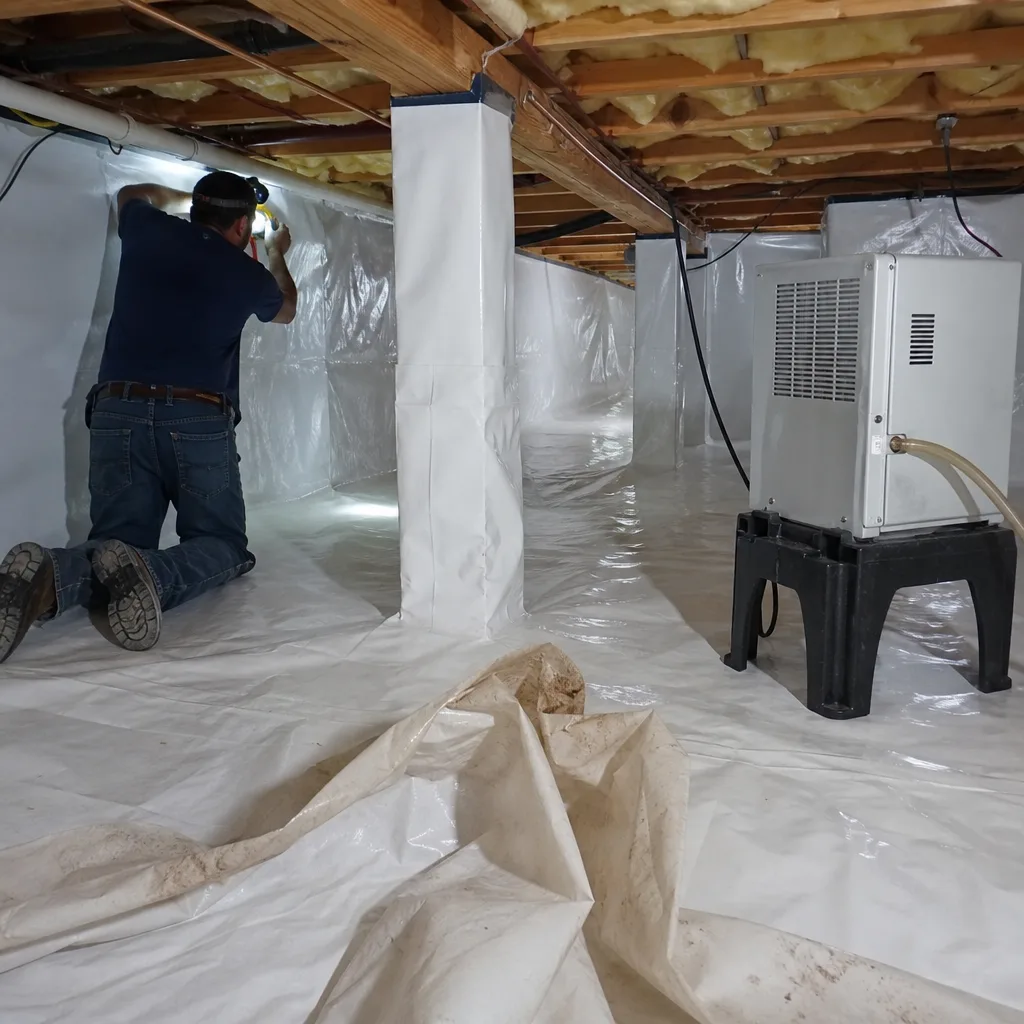
- Surface dust accumulation that has dulled the foil to a matte gray. A radiant barrier only works when the reflective surface faces an air space; once dust embeds in the perforations or oxidation sets in, emissivity rises above 0.75 and the product becomes a very expensive vapor retarder. In Pflugerville, this typically occurs 8 to 12 years after install due to our combination of caliche dust and high attic ventilation rates.
- Tears or sagging that contact the insulation below. Knauf specifies a minimum 3/4-inch air gap; when the barrier sags onto the insulation, conductive heat transfer replaces radiant reflection. We see this most often in attics where the original installer used staples instead of Knauf’s recommended cap-nail or strapping system, particularly in the newer builds east of SH-130 where truss deflection under summer load is more pronounced.
- Moisture staining on the attic-side drywall or rafter bays. Knauf’s perforated products allow vapor transmission; if the perforations are blocked by paint overspray, double-sided tape, or incompatible sealants from a previous contractor, water vapor condenses against the cool foil surface in shoulder seasons. This is a compatibility gotcha: EcoSeal perforations are 1/16-inch on 1/4-inch centers, and any coating that bridges those holes voids the vapor-permeance rating.
- Hot spots in rooms directly below south-facing roof planes. A functioning radiant barrier reduces radiant heat gain by roughly 95 percent. When you can map the roof geometry onto your ceiling temperature with an infrared thermometer, the barrier has either detached or was never continuous in that bay. In Pflugerville’s climate zone 2A, this failure mode shows up first in bonus rooms over garages where the thermal boundary is already stressed.
- HVAC supply ducts in the attic sweating during cooling season. The radiant barrier is supposed to keep attic surfaces cool enough that duct leakage doesn’t condense. If your flex ducts are dripping in July, the attic is running 20 to 30 degrees hotter than designed, and the barrier is the first component to check before assuming you need duct replacement.
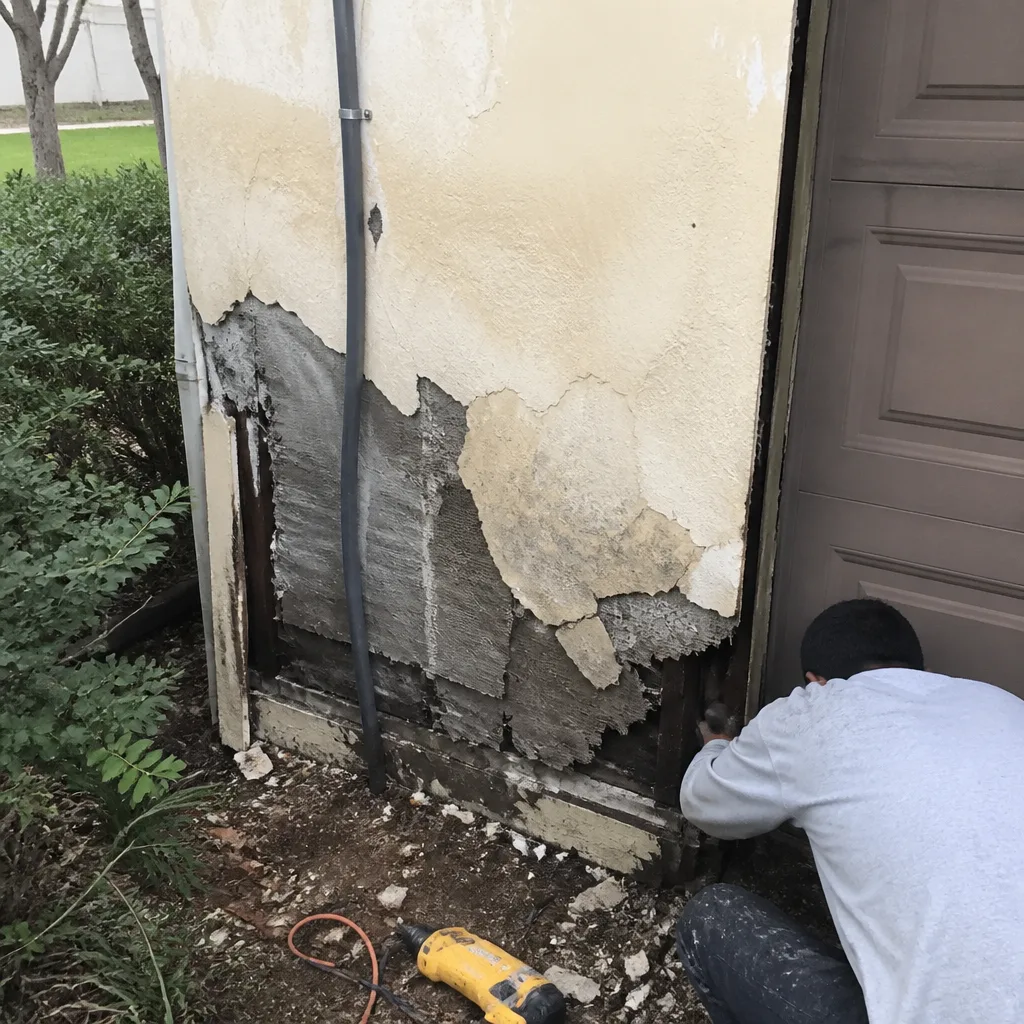 Before
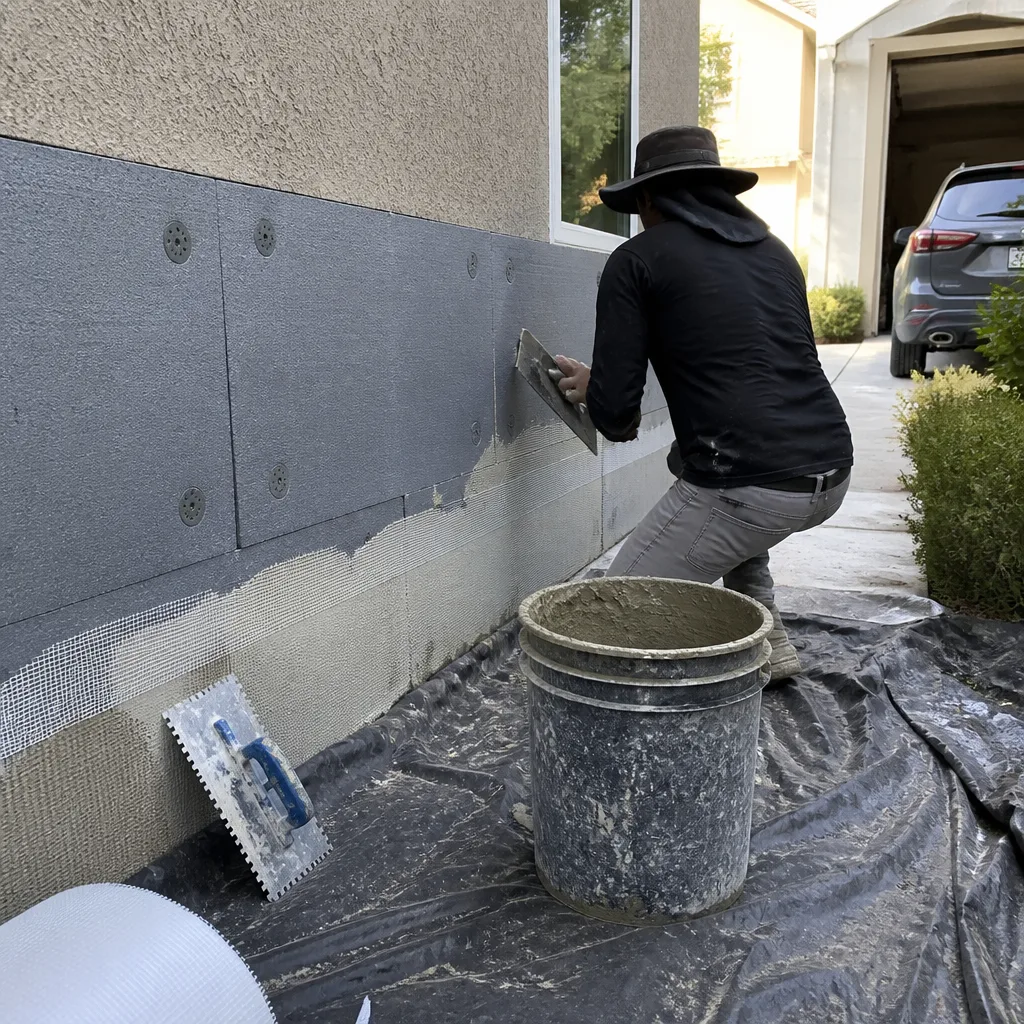 After
AfterReplacement Cost & What’s Included
| Component | Typical Range (Pflugerville) |
|---|---|
| Knauf EcoSeal material (per sq ft) | $1.80 - $2.10 |
| Knauf Insulation Shield (per sq ft) | $2.10 - $2.40 |
| Air sealing prep (top plates, can lights, penetrations) | $450 - $850 |
| Raised-heel modification (if 2×4 joists) | $800 - $1,400 |
| Complete install, typical 1,200-1,800 sq ft attic | $2,200 - $3,800 |
The price range depends on three factors: attic square footage, whether we need to remove a failed existing barrier first, and whether the attic floor requires air sealing before the radiant barrier goes in. Under our Haven Standard, we will not install a new radiant barrier over an unsealed attic floor; the air sealing of top plates, can lights, and penetrations is completed first, every time. Every job includes a Written Price Before Any Work Starts, a Documented Photo Record, and on applicable jobs, before-and-after blower-door readings so you can verify the air-sealing result. The 365-Day Done Right Promise applies to all completed work.
DIY or Call Us?
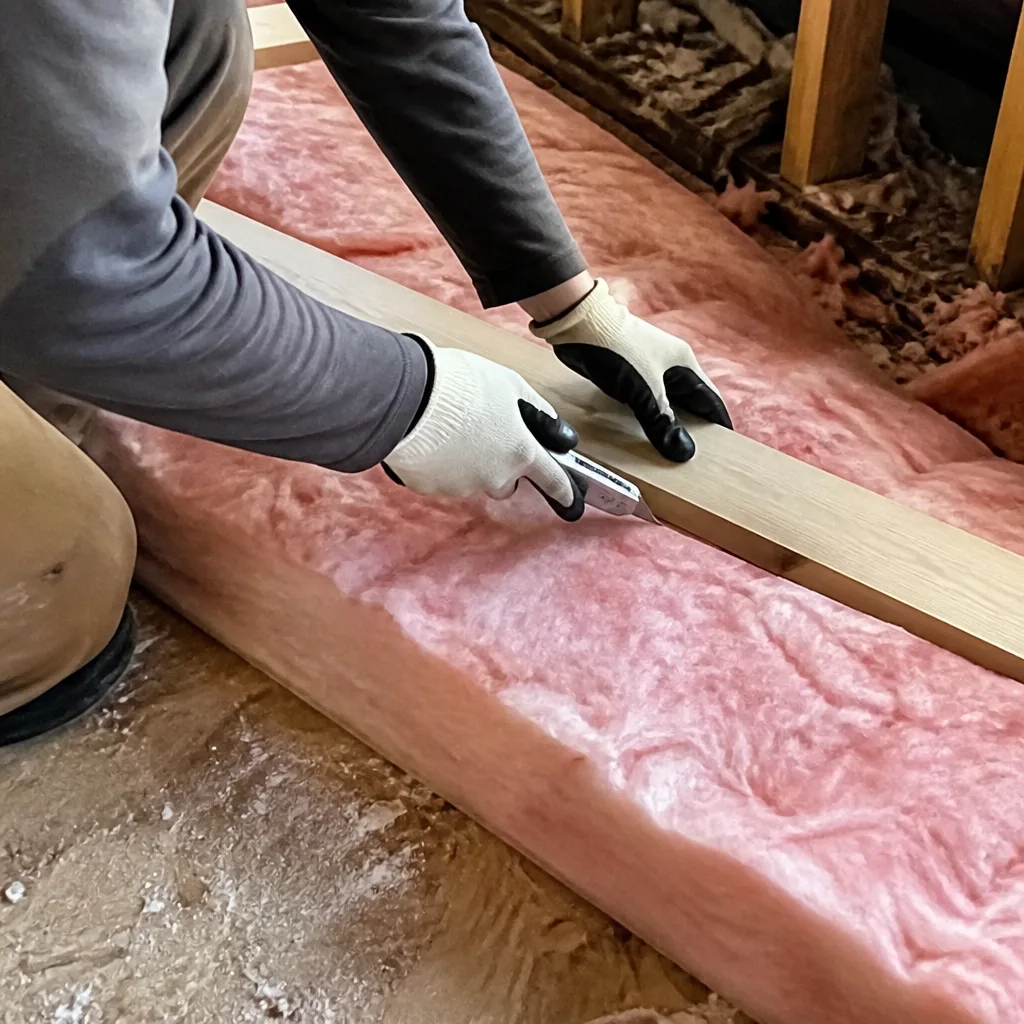
There is nothing inherently dangerous about handling Knauf radiant barrier material; the foil has no electrical conductivity risk and the perforated products breathe adequately for attic use. Where DIY goes wrong is in the sequence and the details. Homeowners often staple the barrier tight to the rafters with no drape gap, or they seal the perimeter with incompatible tape that blocks the perforations and traps moisture. The critical measurement is the air gap: without that 3/4-inch minimum, you have a conductive heat path, not a radiant barrier.
What you can safely check: whether the existing barrier is torn, whether it sags onto the insulation, and whether dust has dulled the surface. What requires a trained eye: whether the attic floor is leaking conditioned air that will undermine any radiant barrier performance, and whether your roof deck ventilation pattern supports the product you are considering. We have been in attics throughout Pflugerville’s Stone Hill Town Center corridor often enough that the regional heat load patterns are not a surprise to us. If you want the work documented with before-and-after blower-door numbers, call (737) 259-8352.
FAQs
In Pflugerville’s climate, a properly installed Knauf perforated radiant barrier maintains effective reflectivity for 15 to 20 years before dust accumulation and oxidation reduce performance below the design threshold. Non-perforated products installed without adequate ventilation can fail in 5 to 7 years due to moisture degradation of the substrate. Call (737) 259-8352 for an attic assessment if you are unsure which product you have.
Localized tears can be patched with Knauf-compatible foil tape if the surrounding material is still clean and reflective, but dust-oxidized or sagging barrier is not cost-effective to rehabilitate. We have never recommended a patch when more than 30 percent of the surface area is compromised; the labor to patch exceeds the material cost of replacement, and the seam integrity is difficult to verify. Call (737) 259-8352 for a free second opinion on any written estimate.
A typical 1,500-square-foot attic with air sealing prep takes one full day; attics with complex geometry, multiple HVAC platforms, or existing barrier removal may extend to a second day. We schedule a named technician and text when they are on the way. The report tells you what the house does. The insulation changes what the house does. Those are two different conversations.
We stock both EcoSeal and Insulation Shield products in 48-inch and 51-inch widths on our Pflugerville service trucks, along with the Knauf-compatible cap nails, strapping, and foil tape required for a complete install. We do not stock Reflectix or generic equivalents for Knauf-specified jobs; the 51-inch width and perforation pattern are specific to the manufacturer’s assembly requirements. Call (737) 259-8352 to confirm same-day availability for your attic size.
Written by Wes Okafor, Owner, Topside Attic Insulation Pflugerville at Topside Attic Insulation Pflugerville, serving Pflugerville and nearby areas.