

How Much Does a Home Energy Audit Cost in Pflugerville, TX?
A home energy audit in Pflugerville, TX typically runs between $250 and $650 for a standard single-family home, with most homeowners paying around $350-$450 for a full blower-door assessment with a written report. Larger homes above 2,500 square feet, or properties with crawl spaces and complex duct systems, can push the total closer to $700-$900. Most audits are completed in a single visit, and you leave with a documented findings report the same day.
Home Energy Audit Cost Breakdown in Pflugerville (2026)
A home energy audit in Pflugerville is not a single flat service. The final price depends on which diagnostic tools are used, how large the house is, and whether the auditor includes infrared thermography or only a blower-door test. Here is how the line items typically stack up in this market.
| Audit Component | Typical Price Range (Pflugerville, 2026) |
|---|---|
| Basic visual inspection only | $150-$250 |
| Blower-door test (pressurization test with ACH50 reading) | $250-$400 |
| Blower-door + duct leakage test (duct blaster) | $350-$550 |
| Full audit: blower-door + duct test + infrared thermal scan | $450-$700 |
| Comprehensive audit for homes 2,500+ sq ft with crawl space | $600-$900 |
| Utility bill analysis add-on (historical energy use modeling) | $50-$150 |
| Written remediation report with prioritized recommendations | Often bundled; standalone $75-$150 |
The blower-door test is the core diagnostic tool. A technician depressurizes the home to 50 pascals, measures airflow in CFM50 (cubic feet per minute at 50 pascals), and converts that to ACH50 – air changes per hour. A Pflugerville home built in the late 2000s or early 2010s typically reads between 6 and 12 ACH50. Anything above 8 in this climate almost always means measurable cooling loss in summer and heating loss in those two-week cold snaps the area sees in January and February.
Infrared thermography adds cost but finds what the blower-door can only suggest. Where the pressure test tells you air is escaping, a thermal camera shows you the exact stud bay or can-light cluster it is coming from. For homes in Pflugerville’s Falcon Pointe, Blackhawk, or Highland Park neighborhoods, where builders often used a mix of blown fiberglass and open framing above the garage, thermal scans routinely catch gaps that a visual inspection would never find.
A duct leakage test – sometimes called a duct blaster test – is worth adding if your home has ducts running through unconditioned attic space, which describes the majority of Pflugerville’s housing stock. Duct leakage of 15-25% is common in tract homes built between 2005 and 2018 in this area. Catching that early changes the entire remediation plan.
Under the Haven Standard, every audit Envelope Insulation Co. performs starts with a written price before any work begins. You see the number before we schedule, and you see it again in writing on arrival. No surprises.
What Affects Home Energy Audit Pricing in Pflugerville
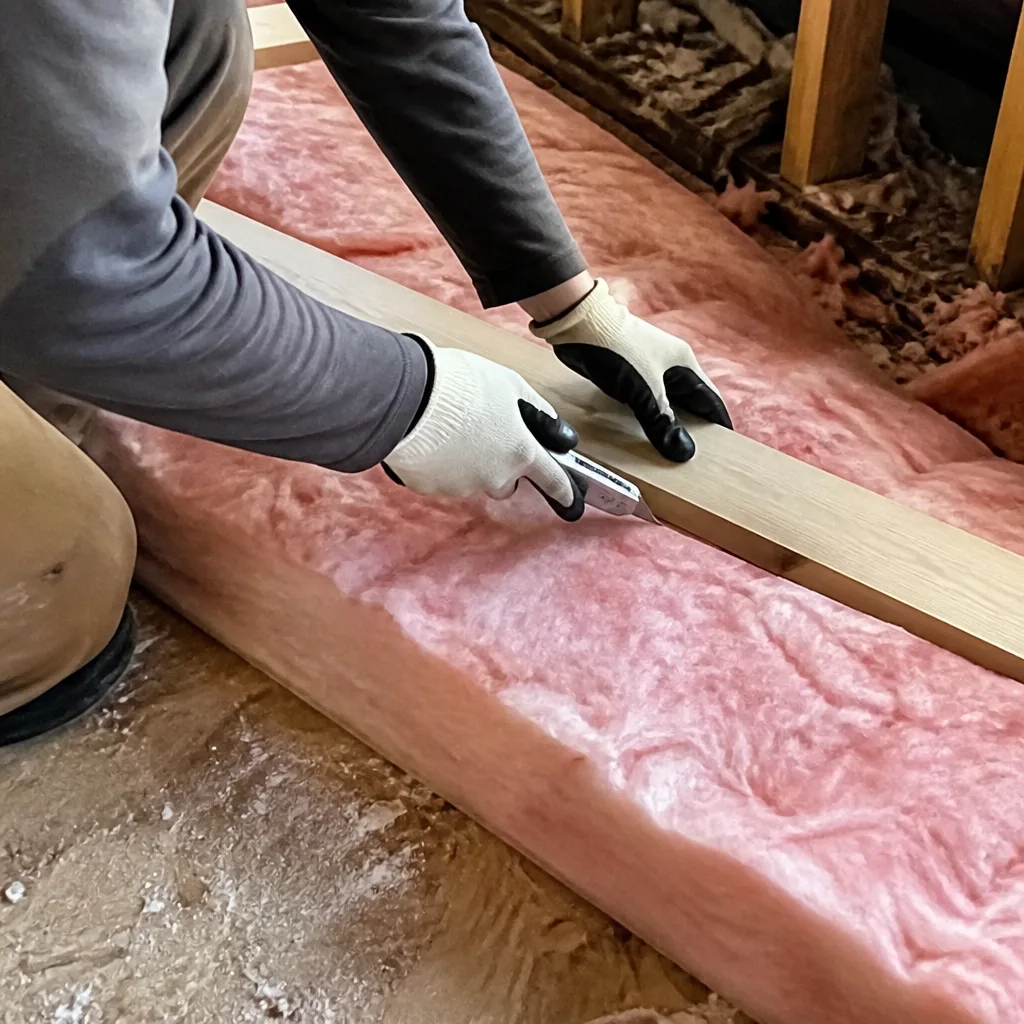
Several variables move the number up or down. These are the ones that matter most in this specific market.
- Home size and stories. A 1,600-square-foot single-story slab home takes two to three hours to audit. A 3,200-square-foot two-story with a bonus room and a finished garage conversion can take four to five. Auditors price by complexity, and more square footage means more penetrations to find, more duct runs to test, and more thermal images to review.
- Attic configuration. Pflugerville has a high share of homes with cathedral ceilings, covered patio framing connected to the conditioned envelope, and attic knee walls from bonus rooms over garages. Each of those features adds diagnostic time because the thermal boundary gets complicated. A simple flat attic over conditioned living space is the fastest to audit.
- Crawl space presence. Most Pflugerville homes are slab-on-grade, but a small percentage – particularly some of the older builds near Kelly Lane and in the Pflugerville Old Town area – sit on pier-and-beam foundations with vented crawl spaces. Adding a crawl space to the audit scope adds at least $100-$200, because it requires a separate visual inspection, moisture readings, and often a vapor barrier assessment.
- Age of the home. Homes built before 2010 in Pflugerville’s older subdivisions tend to have original can lights punched through the attic floor with no air sealing, minimal top-plate sealing at interior walls, and sometimes vermiculite or deteriorated fiberglass that has to be evaluated separately before any insulation work starts. The audit takes longer because there is more to document.
- Duct system complexity. A home with a single air handler and one zone is straightforward. Many of the larger homes in Pflugerville’s Stone Canyon or Springbrook subdivisions have two-zone or even three-zone systems with separate air handlers. Each system needs its own duct blaster run. That doubles or triples the duct testing time.
- Pflugerville’s climate exposure. The Central Texas heat load is real and specific. Summers consistently push past 100°F, which means cooling-season air infiltration is the primary cost driver for most homeowners. A good auditor accounts for this in the report, weighting attic and ceiling-plane leakage higher than it would be weighted in, say, a coastal climate. That climate-specific analysis takes more time to produce correctly and costs accordingly.
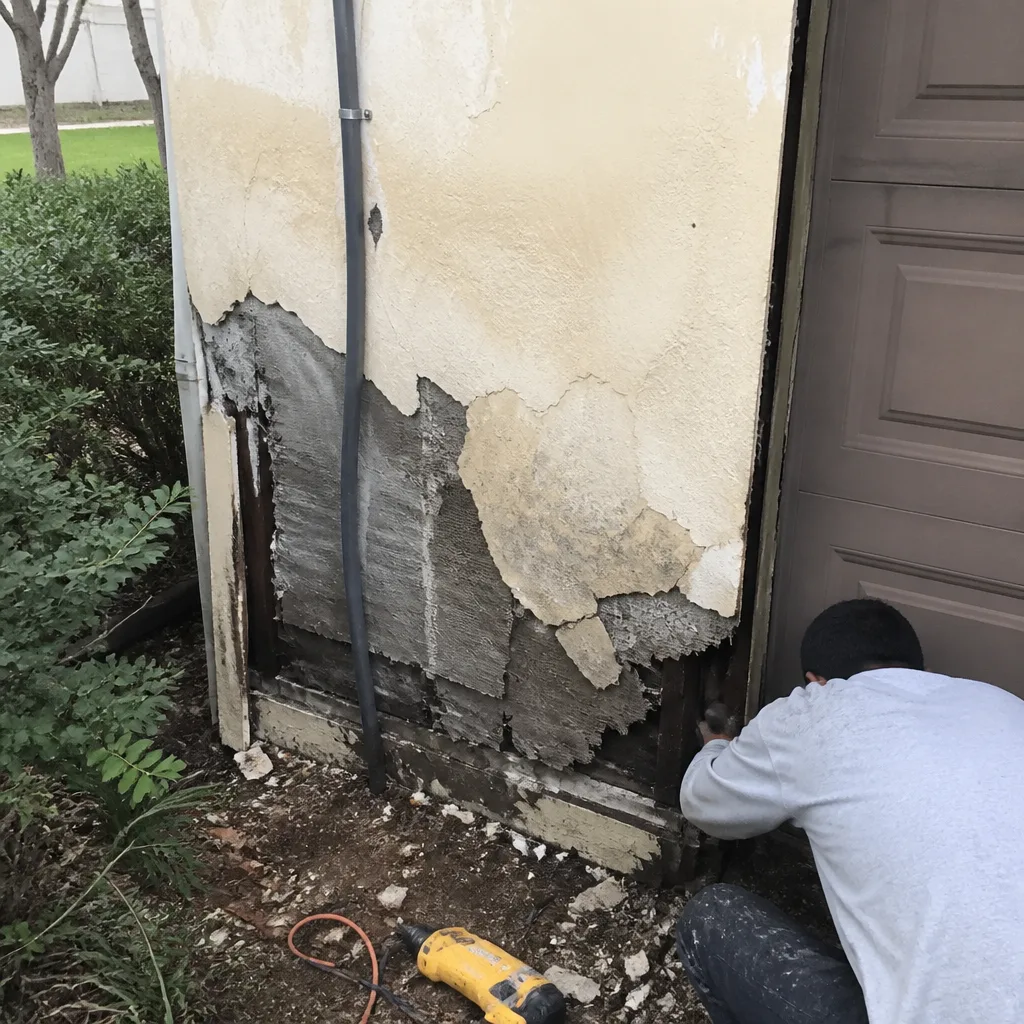 Before
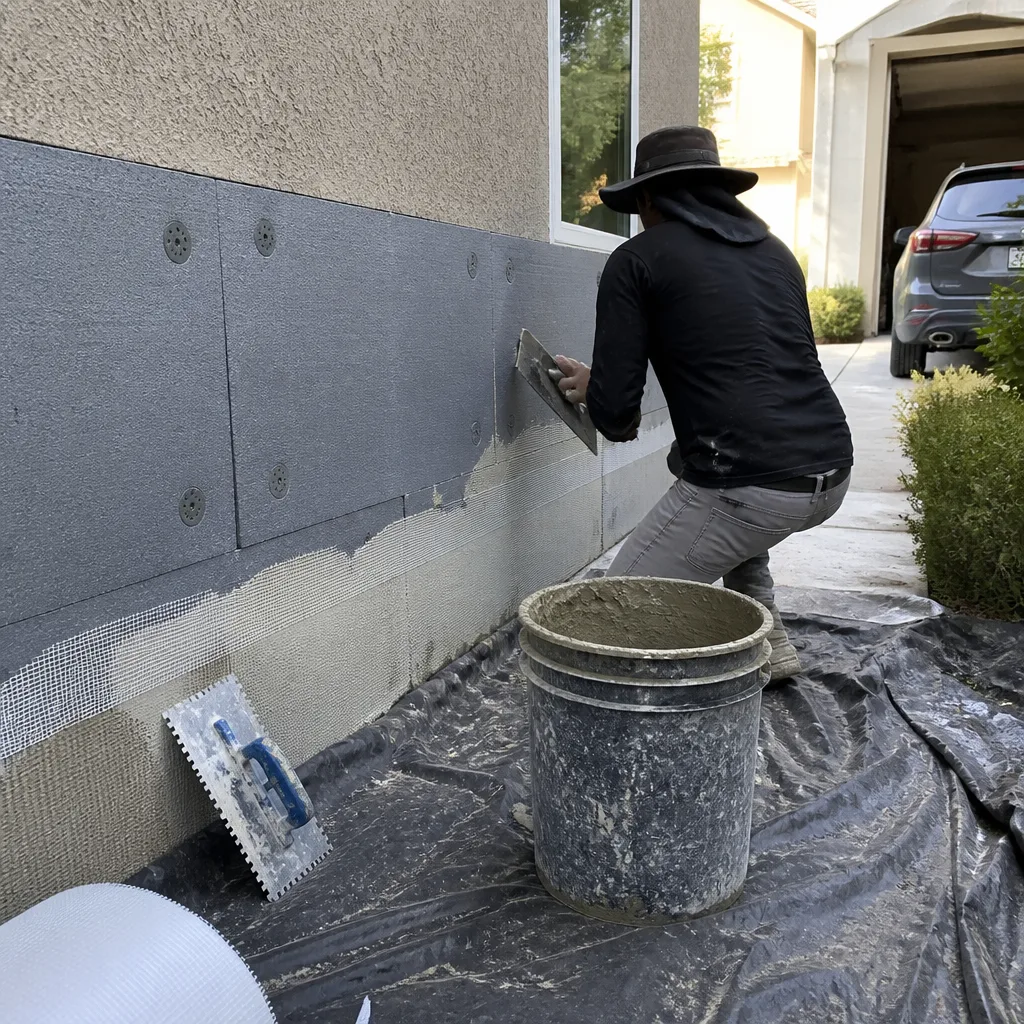 After
AfterWhat You Actually Get: The Documented Findings
The audit is worth what you walk away with. A checklist printed on a generic form is not the same as a report you can hand to an insulation contractor and say, “fix exactly this.”
A complete home energy audit in Pflugerville should produce, at minimum:
- A before-audit blower-door reading in ACH50 and CFM50, with the home’s specific air change rate written down
- A duct leakage reading as a percentage of total system airflow, if duct testing is included
- Annotated thermal images identifying specific leak locations by room and building component
- A prioritized remediation list, not a menu of everything that could theoretically be improved
- Estimated energy savings by improvement category, based on your home’s actual readings rather than state averages
- A photo record of the attic, crawl space (if applicable), and any notable findings
At Envelope Insulation Co., the Documented Photo Record is included on every visit, not offered as an upgrade. When Wes Okafor’s crew completes an audit, the findings report leaves the property with the homeowner the same day – in writing, with numbers, not impressions.
That matters specifically when it comes to the next step. If the audit finds that your attic has 4 inches of settled fiberglass and no air sealing on the top plates – which is the single most common finding in Pflugerville homes built between 2003 and 2014 – you need a remediation scope written to match your specific ACH50 reading, not a generic attic insulation proposal. The audit findings drive the scope; the scope drives the written price. That is the sequence we follow on every job.
For more on what the full process looks like, including how we document findings before any insulation work begins, see our Home Energy Audit in Pflugerville service page.
Pflugerville-Specific Context: Why Audit Findings Look the Way They Do Here
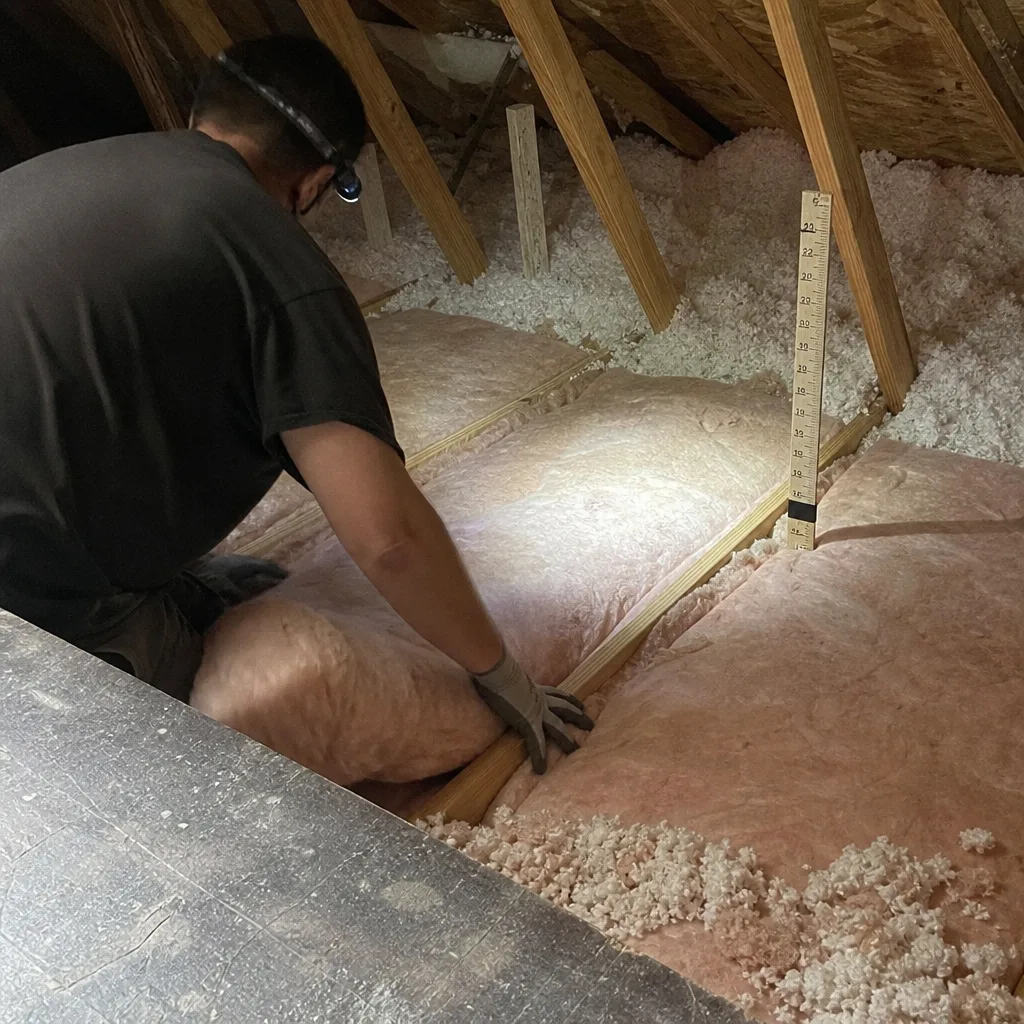
Pflugerville grew fast. The city’s housing stock expanded significantly between 2000 and 2020, which means a large share of the existing homes were built during a period when Texas energy code was improving but air sealing requirements were still inconsistently enforced at the framing inspection stage. The results are predictable and consistent.
In Blackhawk, we regularly see attic floors with top-plate gaps at every interior wall, can lights that were never sealed to the drywall, and duct connections that have separated at the plenum over time. The blower-door number on these homes often reads between 9 and 14 ACH50. After sealing, the same homes typically test between 4 and 7 ACH50 – that is a real number from real jobs, not a marketing average.
In Falcon Pointe, the mix of two-story layouts and bonus rooms over garages means thermal boundaries are more complex. The audit findings in that neighborhood tend to show significant leakage at knee walls and at the framing around stairwells – areas that a visual inspection alone would not identify.
Closer to the older sections of Pflugerville near downtown, homes with pier-and-beam construction have a different set of findings: crawl space moisture, vapor barrier deterioration, and insulation installed between floor joists without an air barrier. The audit report for one of those homes looks nothing like the report for a 2012 slab home in Stone Canyon.
This is the reason a Pflugerville home energy audit cannot be priced from a national average. The findings are specific to the build type, the neighborhood, and the year the home was constructed.
Utility Rebates and Programs That Offset Audit Costs in Pflugerville
Pflugerville is served primarily by Bluebonnet Electric Cooperative and Austin Energy, depending on the specific address and subdivision. Both utilities have run rebate programs for energy efficiency improvements that can include audit costs, though program availability and funding levels change from year to year.
Austin Energy’s Home Performance with ENERGY STAR program has historically offered rebates on qualifying audits and subsequent air sealing or insulation work. Bluebonnet offers its own energy efficiency incentives that vary by tier and project type. Neither utility guarantees the full audit cost is covered, but combining a utility rebate with the federal tax credits available under the Inflation Reduction Act can meaningfully reduce your net cost.
As of 2026, the federal tax credit for home energy audits under Section 25C allows homeowners to claim up to $150 toward the cost of a qualifying home energy audit. That does not eliminate the expense, but on a $400 audit, it reduces the out-of-pocket cost to roughly $250 before any utility rebate is applied.
The short version: if your Pflugerville home qualifies under Austin Energy’s service territory, you may be able to reduce the effective audit cost to $100-$200 after all incentives. If you are served by Bluebonnet, check current program availability before scheduling, because funding is allocated annually and can be exhausted before year-end.
How to Save on a Home Energy Audit in Pflugerville
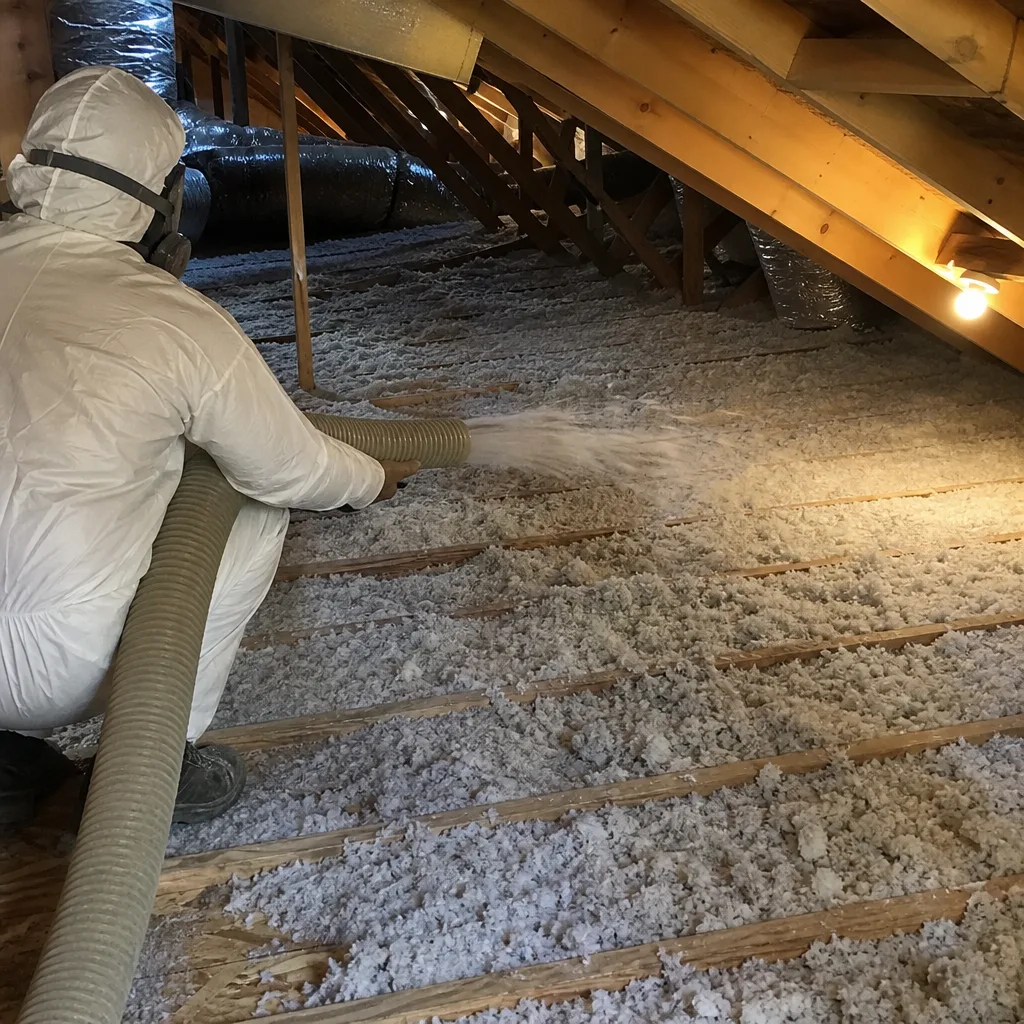
The audit itself is not where most homeowners overspend. The savings – or the waste – come from what happens after the audit. Here is how to get the most value from the money you spend.
- Do not skip the blower-door test to save $100. A visual-only inspection will not tell you how many air changes per hour your home is losing. Without that number, any remediation scope is an educated guess. The blower-door reading is the measurement that separates a real audit from a sales visit dressed up as an audit.
- Ask for a before-and-after commitment in writing. If a contractor offers to audit and then immediately schedule the insulation work, ask whether they will re-run the blower-door test after sealing and give you the after number in writing. At Envelope Insulation Co., we publish before-and-after blower-door numbers on every applicable job. If a contractor won’t commit to the after reading, that tells you something about how much the before reading matters to them.
- Bundle the audit with remediation work carefully. Some contractors offer a “free audit” when you schedule insulation or air sealing work. That can be legitimate value, or it can mean the audit is a walkthrough designed to justify the work already priced. Ask what documentation you will receive, and whether the audit is a true diagnostic or a pre-sale inspection.
- Use the audit report to get competing quotes. A written audit report with specific findings is leverage. You can take it to multiple contractors and ask for a scope that addresses those specific findings. Under our Haven Standard, we offer a Free Second Opinion on any written estimate – bring us a competing quote, and Wes Okafor or a member of our team will go through it with you line by line.
- Check rebate availability before you schedule. Contact your utility – Austin Energy or Bluebonnet – before booking to confirm which programs are currently funded. Scheduling an audit that qualifies for a rebate but falling outside the program window costs you money that was available.
- Get the written price before any work starts. This applies to the audit itself, not just the remediation. You should know the exact dollar amount before the technician arrives. If a contractor won’t give you a firm number for the audit, that is a signal about how they handle pricing on the larger job that follows.
To get a written estimate with no obligation, call us directly at (737) 259-8352. A live person answers – no voicemail, no callback window measured in business days.
When Is an Energy Audit Worth the Cost in Pflugerville?
A home energy audit pays for itself most clearly in three situations.
First: if your electricity bills from June through September consistently run higher than your neighbors’ in a comparable home, the audit will find the source. Pflugerville’s summers are long and hot, and cooling costs are where the largest share of insulation-related energy waste shows up. An audit that identifies 12 ACH50 leakage in a home that should be at 6 gives you a specific number to point to when scoping the repair.
Second: if you are planning insulation work anyway. Adding insulation over an unsealed attic floor is the most common – and most expensive – mistake homeowners make. At Envelope Insulation Co., we will not blow insulation over an unsealed attic floor. Air sealing of top plates, can lights, and penetrations is completed first, every time. An audit before the work starts ensures the remediation scope addresses the actual problem, not just the most visible one.
Third: if you bought a Pflugerville home built before 2015 and have never had the envelope tested. Code minimums at the time of construction were lower than current standards, and actual field performance was often below even those minimums. A blower-door reading on a 2008 or 2010 home typically reveals exactly what you would expect: measurable infiltration at every unsealed penetration, settling insulation that no longer meets depth requirements, and duct connections that have loosened over fifteen years of thermal cycling.
The audit cost – $350 to $650 for most Pflugerville homes – is a small number relative to the cost of insulation work done without a clear diagnostic baseline. It is also small relative to one or two years of excess cooling bills in a Central Texas summer.
FAQs: Home Energy Audit Cost in Pflugerville
How much does a home energy audit cost in Pflugerville, TX?
Most home energy audits in Pflugerville run between $250 and $650, with the typical single-family home falling in the $350-$450 range when a blower-door test and written report are included. Homes over 2,500 square feet with complex attic configurations or crawl spaces can reach $700-$900. Call (737) 259-8352 for a written estimate specific to your home’s size and configuration – estimates are free and given before any commitment.
Is a home energy audit worth it in Central Texas?
Yes, for most Pflugerville homes built before 2015. Cooling costs dominate the annual energy budget here, and air infiltration is the primary driver of excess cooling load. An audit that identifies your home’s ACH50 reading gives you a measurable baseline. Homes we have audited in Pflugerville’s Blackhawk and Falcon Pointe neighborhoods often read between 9 and 14 ACH50 before sealing – dropping to 4-7 ACH50 after air sealing represents real, documentable energy savings. Without the audit, you don’t have the before number, and without the before number, you can’t verify the after.
Does Austin Energy or Bluebonnet offer rebates for home energy audits in Pflugerville?
Both utilities have offered rebates for qualifying audits and subsequent efficiency improvements, though program funding changes annually. As of 2026, the federal Section 25C tax credit also allows a $150 credit toward a qualifying audit. Combined, homeowners in qualifying service territories have reduced their effective audit cost to $100-$200 after incentives. Check directly with your utility before scheduling to confirm current program availability. Call (737) 259-8352 and we can walk you through what we know about current rebate programs in the area.
How long does a home energy audit take in Pflugerville?
A standard blower-door audit for a 1,600-2,200-square-foot Pflugerville home takes 2 to 3 hours on-site. Add duct testing and infrared thermal scanning and the same home takes 3.5 to 4.5 hours. Larger homes with two-zone HVAC systems, bonus rooms over garages, or crawl spaces require 4 to 6 hours. You receive a written findings report the same day, not mailed to you later.
Can I get a home energy audit for free in Pflugerville?
Some utility programs – particularly Austin Energy’s Home Performance program – have offered subsidized or no-cost audits for qualifying homeowners, but availability depends on current funding. Some contractors offer a “free audit” as part of a bundled installation sale, which may or may not include a true blower-door test with documented readings. If the audit doesn’t include a before-and-after ACH50 number in writing, it’s not a diagnostic audit – it’s a sales visit. If you want a written estimate for a standalone diagnostic audit with documented findings, call (737) 259-8352; we’ll give you a firm number before you commit to anything.
Key Takeaways
- Most home energy audits in Pflugerville cost $250-$650, with the midpoint around $350-$450 for a full blower-door test and written report.
- Homes over 2,500 sq ft with complex attic configurations or crawl spaces typically run $600-$900.
- The federal Section 25C credit offers up to $150 toward a qualifying audit; utility rebates may reduce costs further.
- Pflugerville’s housing stock – built heavily between 2000 and 2018 – consistently shows high ACH50 readings at audit, particularly in Blackhawk, Falcon Pointe, and Stone Canyon.
- An audit without a blower-door test and documented readings is a visual inspection, not a diagnostic. Ask for the number before you book.
- At Envelope Insulation Co., every audit starts with a written price and ends with a Documented Photo Record and blower-door readings – no work starts without a written scope.
- The 365-Day Done Right Promise applies to all completed work; if it’s not right, we make it right.
Schedule Your Pflugerville Home Energy Audit
If you’re ready to find out exactly where your Pflugerville home is losing conditioned air, the next step is a free estimate. We’ll give you a firm, written price for the audit before you commit – no vague ranges, no “call for pricing.” Wes Okafor leads a team that has worked on more than 9,000 homes in this region since 2016, every one with a written price before work started and a documented record when the crew left.
Call (737) 259-8352 – a live person answers. Or browse the full scope of what we offer from our home page if you’re still researching.
Under the Haven Standard, you get a named technician, a text when they’re on the way, a written price before any work starts, and documented findings when they leave. That’s the baseline, not a premium option.
Written by Wes Okafor, Owner at Topside Attic Insulation Pflugerville, serving Pflugerville, TX since 2016.
Pricing reflects the Pflugerville market as of 2026. Topside Attic Insulation Pflugerville offers free estimates – call (737) 259-8352.
What Our Customers Say
"The winter gas bill dropped by about a third. They had estimated a quarter, so they under-promised."
- Genevieve R."Crawl space encapsulation done properly. Photographs of the vapour barrier at every seam, and the damp smell in the hallway is gone."
- Ainsley P."Two other companies quoted to blow more insulation on top of what was there. These were the only ones who said the existing material had to come out first, and explained why."
- Clifford E.