
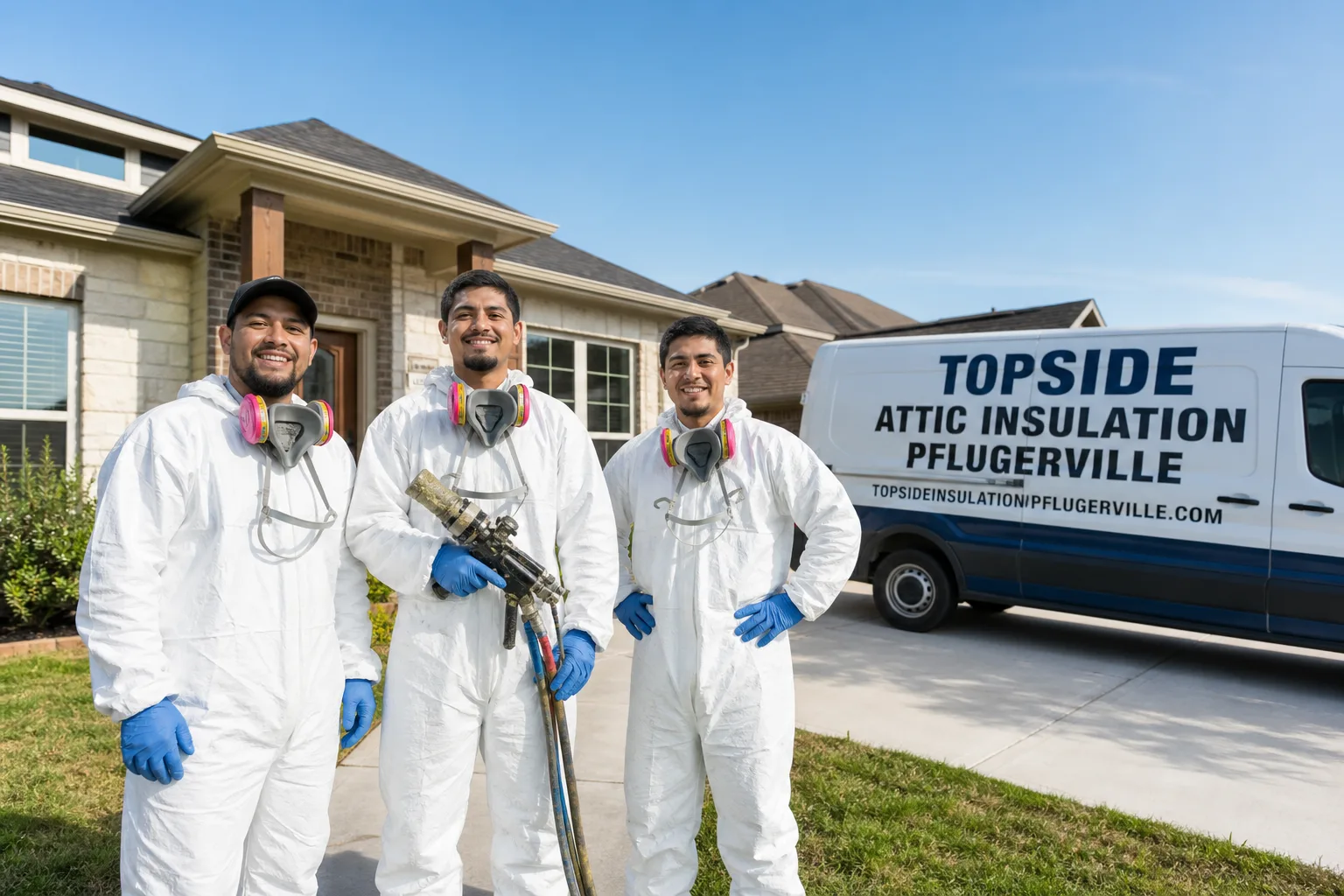
How Much Does Spray Foam Insulation Cost in Pflugerville?
Our Spray Foam Insulation services in Pflugerville, TX typically cost between $1,800 and $6,500 for a whole-attic application in an average single-family home, with most jobs landing in the $2,400 to $4,200 range depending on foam type, coverage area, and how much air sealing work the building envelope needs before foam goes in. Open-cell foam runs roughly $0.44 to $0.65 per board foot, while closed-cell sits between $1.00 and $1.50 per board foot installed. If you have a written estimate already, bring it in – we’ll read it with you at no charge under our Free Second Opinion offer before any work starts.
Spray Foam Insulation Cost Breakdown (2026)
The numbers below reflect real Pflugerville market conditions in 2026 – not national averages pulled from a database. Prices in the Austin metro corridor, including Pflugerville, run about 8 to 12 percent higher than the Texas statewide average, partly because of sustained construction demand and partly because of how attic conditions here differ from cooler parts of the state. A Pflugerville attic in July can read 145°F at the deck – that thermal load affects both material choice and labor time.
| Application Type | Foam Type | Typical Range | Notes |
|---|---|---|---|
| Attic floor (1,500 sq ft home) | Open-cell, 3.5″ | $1,800 – $2,600 | Most common in older Pflugerville builds |
| Attic floor (2,000 sq ft home) | Open-cell, 3.5″ | $2,200 – $3,400 | Standard after air sealing is complete |
| Attic roof deck (spray to rafters) | Open-cell, 5.5″ | $3,200 – $5,800 | Creates conditioned attic space; common in newer DR Horton builds in Pflugerville |
| Attic roof deck (spray to rafters) | Closed-cell, 2″ | $3,800 – $6,500 | Higher R-value per inch; preferred for roof decks with moisture exposure |
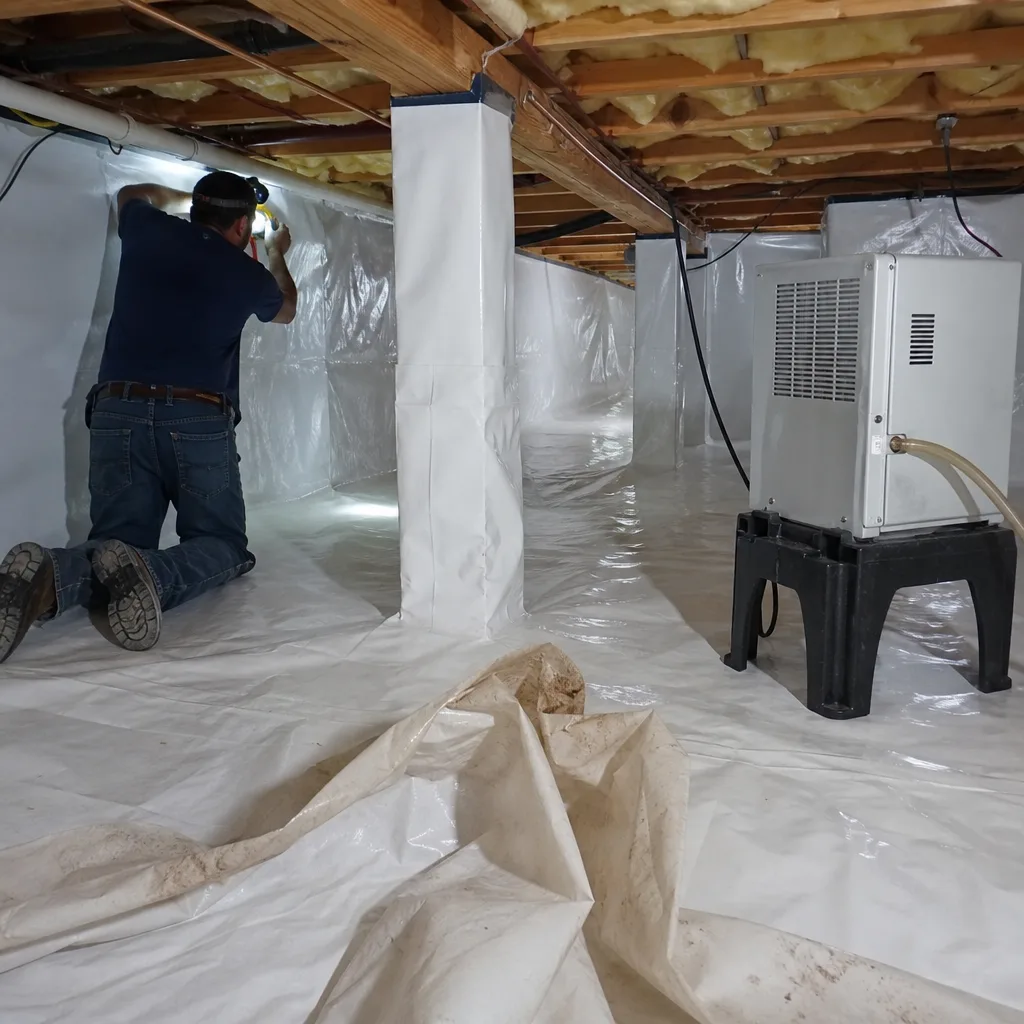
| Rim joists / crawl space perimeter | Closed-cell, 2″ | $600 – $1,400 | Common add-on in homes built before 2005 |
| Interior walls (new construction) | Open-cell, 3.5″ | $1.10 – $1.80/sq ft of wall | Per square foot of wall surface before drywall |
| Air sealing prep (before foam) | Two-component foam / caulk | $300 – $900 | Top plates, can lights, penetrations – completed before any insulation is added |
What These Numbers Include – and What They Don’t
A written price from Envelope Insulation Co. includes labor, materials, the pre-foam air sealing pass, and the documented photo record when the crew leaves. It does not include any work that surfaces after we open the attic hatch – if we find damaged decking, active pest activity, or a compromised vapor situation, we write that up separately before touching anything. Under Haven Standard Clause 1, a flat price and written scope come before anyone lifts a tool, no exceptions.
What pushes a job toward the higher end of those ranges: roof deck applications versus floor applications (more linear feet of foam, more complex setups), homes with complicated attic geometry like the split-level plans common in the Greens at Pflugerville and Falcon Pointe subdivisions, and any job where the existing insulation has to be removed before foam can go in. What keeps jobs on the lower end: straightforward gable-roof attics with clear access, homes where prior air sealing was done competently, and open-cell foam where closed-cell isn’t structurally required.
What Affects Spray Foam Insulation Pricing in Pflugerville
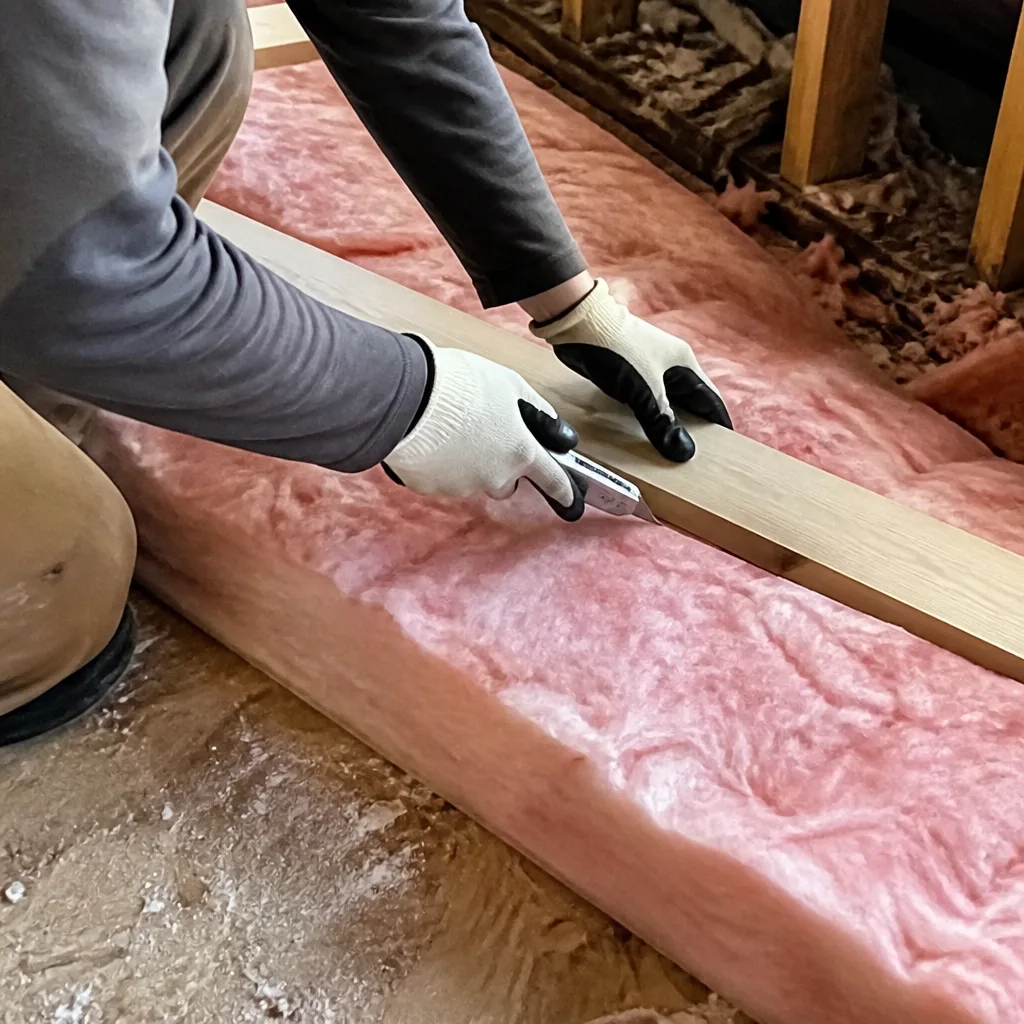
- Foam type – open-cell vs. closed-cell: Open-cell foam (roughly $0.44 to $0.65 per board foot) is vapor-permeable and expands to fill cavities well, making it the standard choice for attic floors and interior walls. Closed-cell ($1.00 to $1.50 per board foot) is denser, achieves R-6 to R-7 per inch, and acts as a vapor barrier – important for roof deck applications in Pflugerville where summer humidity drives moisture up through the sheathing. The right choice depends on the assembly, not on which one costs less.
- Coverage area and attic geometry: A straightforward 2,000 sq ft slab-on-grade ranch home in Wells Branch with a simple gable attic is a half-day job. A two-story home in Verona with a hip roof, multiple HVAC penetrations, and pull-down stair framing takes considerably longer. Attic square footage on the quote is a starting point – linear feet of top plate, number of can lights, and knee wall complexity are what actually drive hours.
- Air sealing prerequisites: Pflugerville homes built between 1995 and 2010 – a large share of the housing stock east of SH-130 – commonly have unsealed top plates, open can light penetrations, and HVAC boots that weren’t foamed at rough-in. Before any spray foam goes on the attic floor, those gaps have to be sealed. That work is priced separately on the written scope so you can see exactly what you’re paying for and why, but it is not optional. Spraying insulation over an unsealed floor is a practice we decline to do.
- Existing insulation removal: If there’s degraded fiberglass batt or blown cellulose that has to come out before foam is applied, expect to add $300 to $800 for a standard attic, more for large or heavily contaminated spaces. In homes near Blackhawk, we’ve pulled attic insulation that had been compromised by roof leaks that the homeowner didn’t know about – another reason the documented photo record matters.
- R-value target and local code: Pflugerville falls under the International Energy Conservation Code as adopted by the City of Pflugerville and Travis County, which sets minimum attic insulation at R-38 for conditioned spaces in Climate Zone 2. Achieving R-38 with open-cell foam requires roughly 5.5 inches; with closed-cell, about 5.5 inches gets you to R-38 as well at 2 inches. If you’re creating a conditioned (unvented) attic by spraying the roof deck, the code path changes and the total foam thickness increases. We pull permits where required and include that in the written price.
- Pflugerville summer heat load and timing: Foam applied to a roof deck during a 100°F July day in Pflugerville behaves differently than foam applied in October. Proper substrate temperature and humidity conditions affect yield and adhesion. Experienced crews adjust application technique and material ratios for ambient conditions – shortcuts here show up as voids and delamination within two to three years. When we schedule a job, we account for time of day and surface temperature, not just calendar availability.
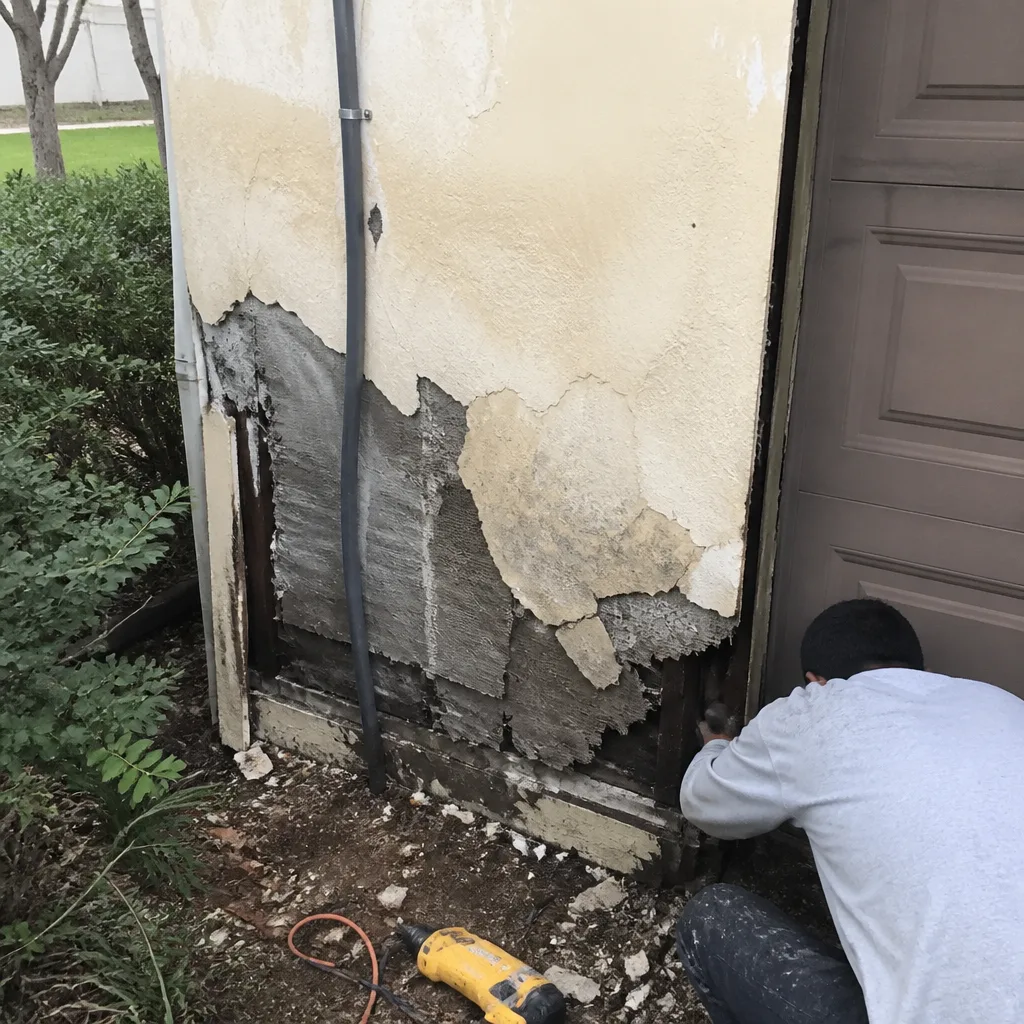 Before
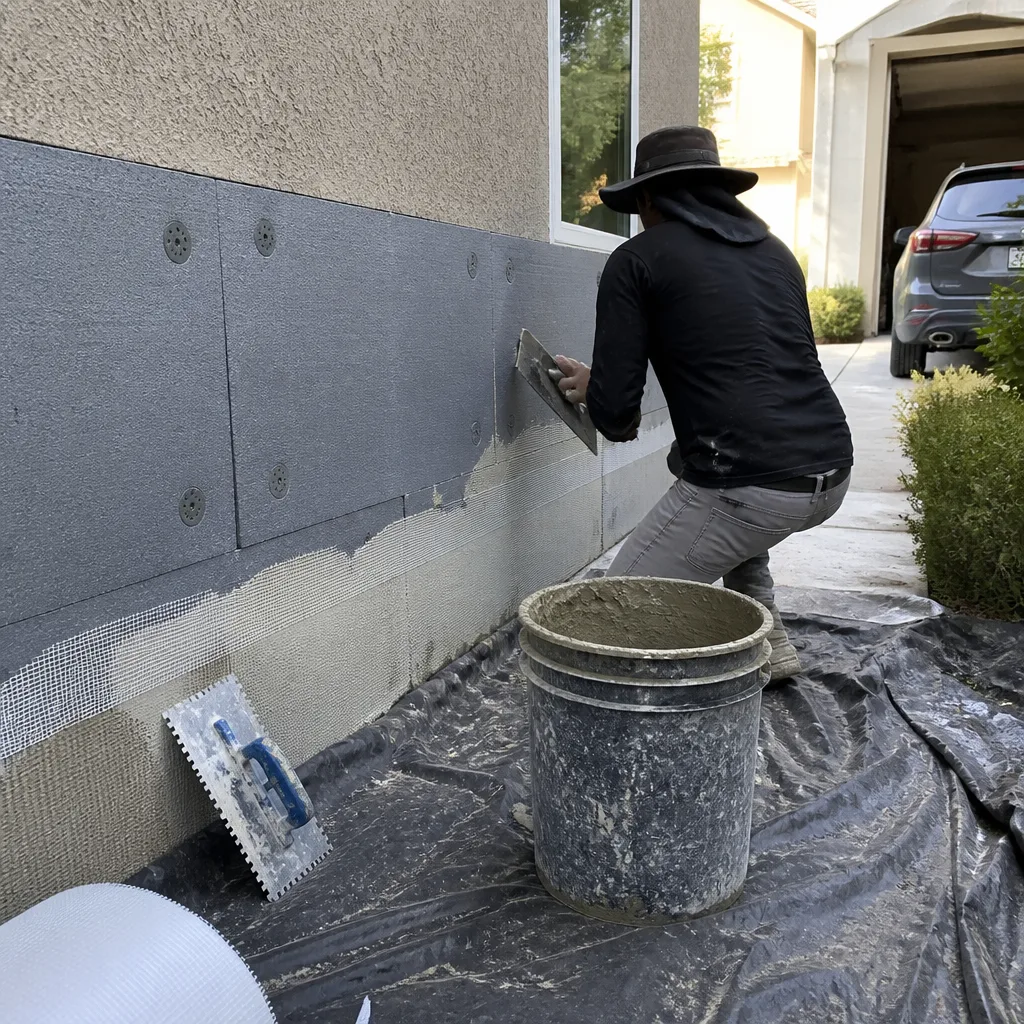 After
AfterOpen-Cell vs. Closed-Cell Foam: Which One Does Pflugerville Homes Actually Need?
This question comes up on nearly every estimate in Pflugerville, and the answer is almost always: it depends on where in the building envelope the foam is going, not on a general preference for one product over another.
For attic floors – the most common spray foam application in Pflugerville – open-cell foam at 3.5 to 5.5 inches is the standard choice. It seals air movement effectively, achieves the required R-value at reasonable cost, and is appropriate for the temperature and humidity profile of Climate Zone 2. Open-cell foam from manufacturers like Icynene and Demilec, which are among the product lines we carry, performs consistently in this application when applied over a properly sealed substrate.
For roof deck applications – where foam goes against the underside of the roof sheathing to create a conditioned attic – closed-cell foam is often the right call. Pflugerville’s summer humidity means vapor can drive through a permeable foam layer and condense against the sheathing. Closed-cell foam’s low vapor permeance (below 1 perm at 2 inches) prevents that. Homes in newer developments like Carmel, Stone Hill, and Sorento that have mechanicals in the attic frequently benefit from this approach because it keeps HVAC equipment inside the conditioned envelope, cutting duct loss dramatically.
What we don’t do is default to closed-cell foam on every job because it carries a higher price. The foam type goes in the written scope, along with the reason for the recommendation, before any work starts. That’s Haven Standard in practice, not just in a branding statement.
Spray Foam vs. Other Insulation Types: A Cost and Performance Comparison for Pflugerville
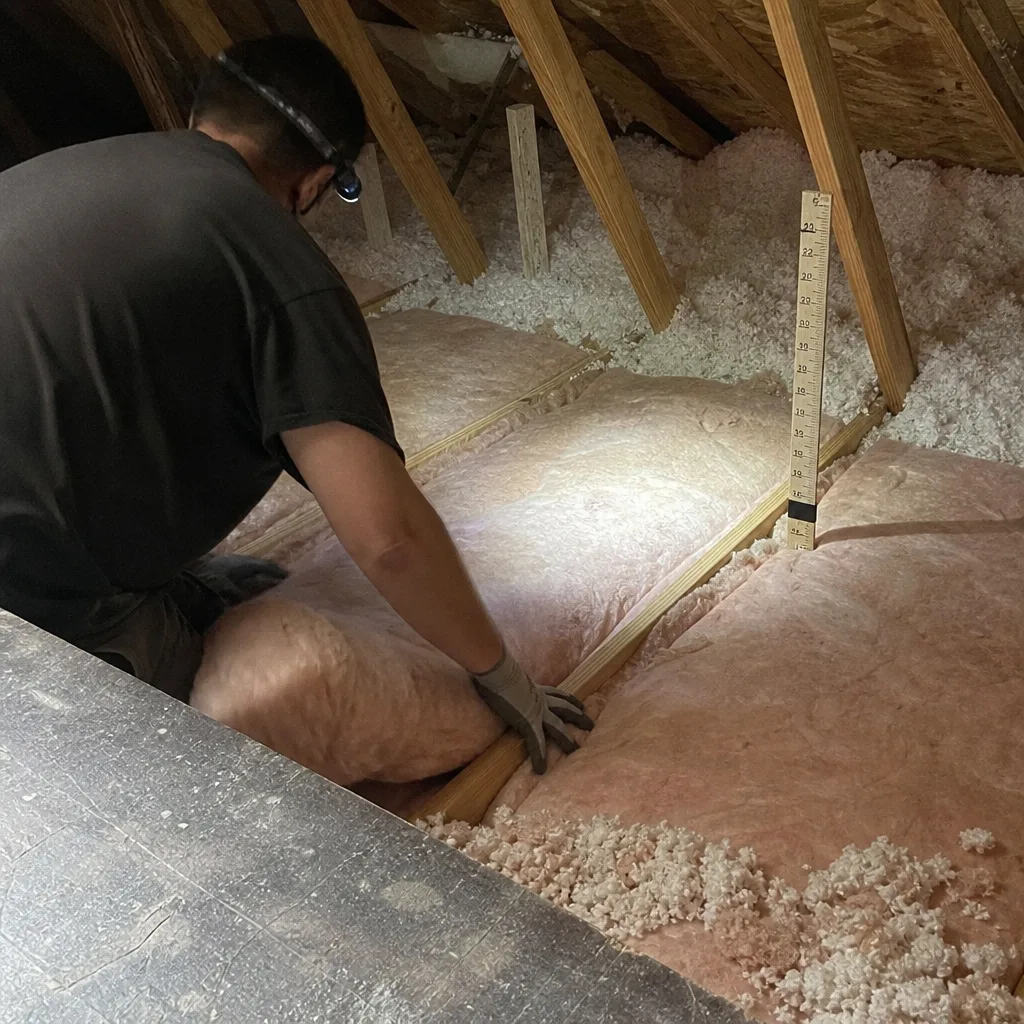
Homeowners comparing options often ask whether spray foam is worth the premium over blown-in fiberglass or blown-in cellulose. Here’s an honest breakdown for the Pflugerville market specifically.
- Blown-in fiberglass (e.g., Owens Corning ProPink): $0.85 to $1.35 per sq ft installed for R-38 in an attic floor application. Lower upfront cost, but requires the attic floor to be air sealed first – and if it isn’t, you’re conditioning the attic through every gap and getting no benefit from the insulation above. We complete that air sealing step before any blown-in product goes down, which is why our blown-in jobs cost more than competitors who skip it.
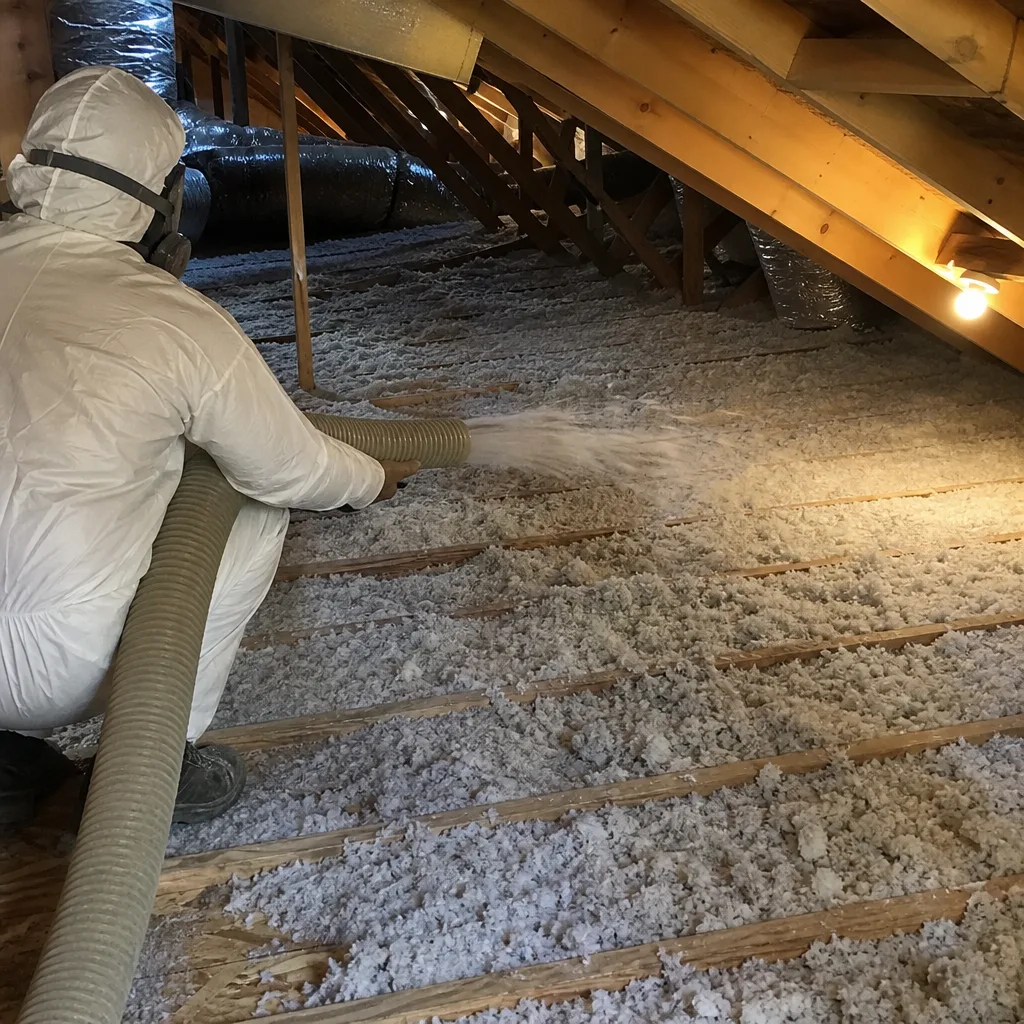
- Blown-in cellulose (e.g., GreenFiber): $0.75 to $1.20 per sq ft for R-38. Similar air sealing requirement. Cellulose performs well in Pflugerville’s mixed-humid climate and is a good choice for homes where budget is the primary constraint and the attic floor is geometrically simple.
- Open-cell spray foam: $1.60 to $2.40 per sq ft at 3.5 inches (roughly R-13). Costs more per square foot but seals and insulates in a single pass, which matters for attics with complex geometry and lots of penetrations. Best value when air sealing labor would be extensive anyway.
- Closed-cell spray foam: $3.00 to $5.00 per sq ft at 2 inches (R-12 to R-14). High upfront cost, justified where vapor control and structural stiffness matter – primarily roof deck and rim joist applications.
For most Pflugerville homeowners who want to meaningfully reduce their summer cooling bills, the right question isn’t “which product” but “is the air sealing done first?” A home with R-49 blown-in fiberglass over an unsealed attic floor will still bleed conditioned air through every top-plate gap. That’s what a blower-door test – a pressurization reading that gives you one number representing how much air your building envelope is losing – reveals in about 20 minutes. We carry blower-door equipment and document before-and-after readings on applicable jobs so you can see the change in a single figure rather than taking anyone’s word for it.
For a full look at what spray foam work looks like from start to finish in this market, our Spray Foam Insulation in Pflugerville service page walks through the process in detail.
How to Save on Spray Foam Insulation in Pflugerville
A few approaches that actually reduce cost without reducing performance:
- Get a second opinion on any written estimate. If you have a quote from another contractor, bring it to us. We’ll read it line by line with you – not to tear it apart, but to make sure the scope and the number match. Under our Free Second Opinion offer, that review costs you nothing. Mismatched scopes are the most common reason two quotes for the “same job” are $1,200 apart.
- Bundle air sealing with foam in a single visit. Air sealing and insulation scheduled together cost less than two separate mobilizations. If you’re planning to add spray foam to your attic floor, the air sealing pass happens in the same visit – priced as one job, not two line items with two truck rolls.
- Check for utility rebates before booking. Austin Energy (which serves parts of Pflugerville near the ETJ boundary) and Pedernales Electric Cooperative both offered rebate programs for qualifying insulation upgrades as of early 2026. The amounts and eligibility requirements change, so verify directly with your utility. We can provide the documentation a utility program typically requires – the before-and-after blower-door readings, the materials list, the scope – because we produce that record on every applicable job regardless.
- Don’t over-specify foam type. Closed-cell foam where open-cell is code-compliant and performance-appropriate adds cost without adding benefit. We’ll tell you which one fits the application in writing before work starts – not after.
- Address the attic hatch while the crew is already there. A poorly insulated pull-down stair or attic hatch is a thermal short-circuit. Sealing and insulating it during the same visit as a spray foam job adds a small amount to the total and closes one of the biggest point-source losses in Pflugerville homes. Doing it as a standalone trip later costs more per hour of crew time.
- Plan the job for fall or early spring if timing is flexible. Substrate temperatures in Pflugerville attics from June through September can complicate foam application and extend job time. October through April work tends to be more straightforward, and some contractors (us included) carry lighter schedules in those months, which can mean faster booking.
To get a written price with no obligation, call us at (737) 259-8352. A live person answers – not a voicemail system – and we’ll schedule an estimate visit rather than quote a number over the phone without seeing the attic first.
The Air Sealing Requirement: Why It Affects Your Total Spray Foam Cost
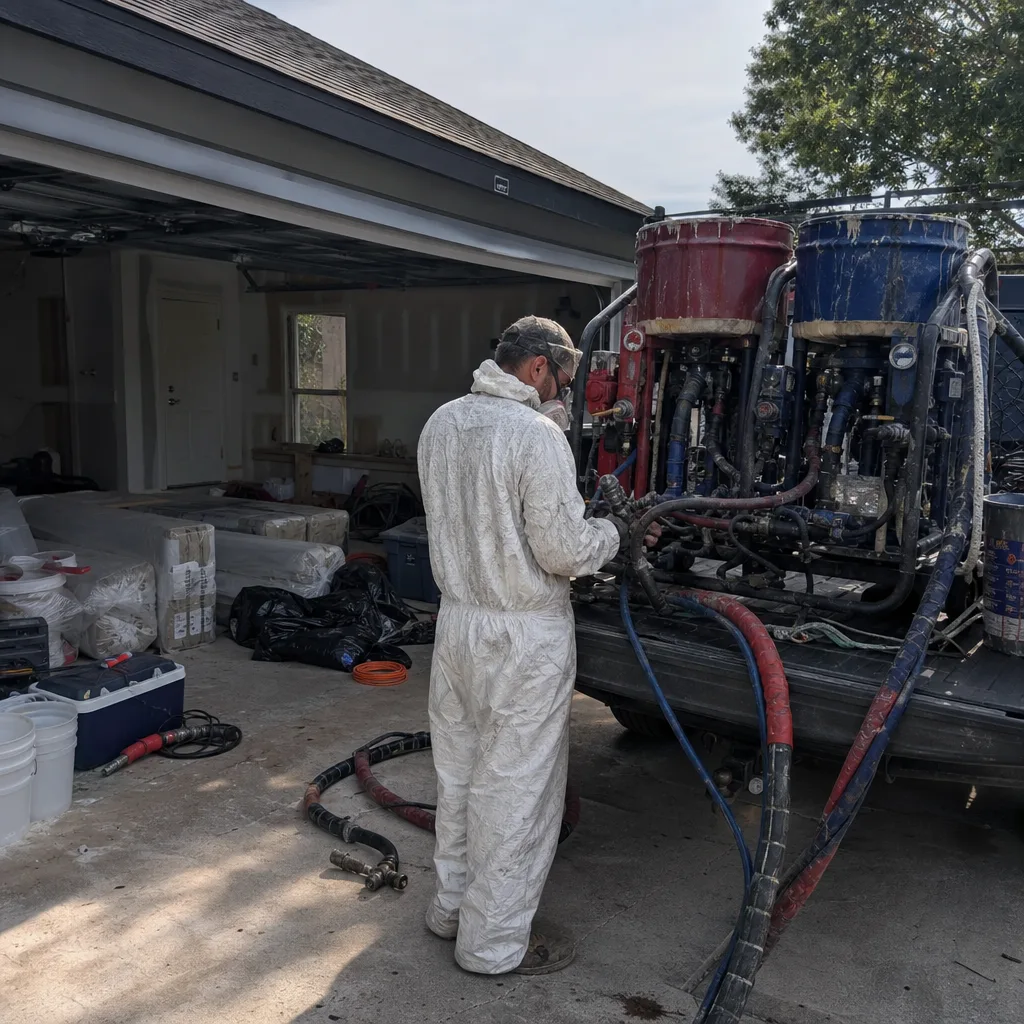
This section exists because it directly affects what you’ll pay – and because skipping it is the most common way a spray foam job in Pflugerville fails to deliver the energy savings the homeowner expected.
In a typical Pflugerville home built between 1998 and 2015, the attic floor has somewhere between 60 and 120 individual air leakage points: open top plates at interior wall framing, recessed can lights that weren’t sealed at the ceiling plane, plumbing and electrical penetrations, HVAC boot gaps, and attic hatch framing. A blower-door test on a home like this in Bee Cave Estates or Heatherwilde typically reads between 3,500 and 5,500 CFM50 – a unit that measures how much air is flowing through the building envelope when the house is depressurized to 50 pascals. That’s a meaningful amount of conditioned air leaving the building every hour the HVAC runs.
Spraying foam over the attic floor without sealing those penetrations first means the foam sits on top of unobstructed air pathways. The insulation value is real; the air sealing value is not. We’ve seen blower-door readings on homes with thick spray foam over an unsealed floor that are nearly identical to pre-insulation readings, because the foam bridged the penetrations without filling them.
At Envelope Insulation Co., air sealing of top plates, can lights, and penetrations is completed before any insulation is added – on every job, not selectively. It’s in the written scope. It’s photographed. And on applicable jobs, the before-and-after blower-door numbers are in the documentation you receive when we leave. That’s how you know you got what you paid for.
We’ve been operating this way since 2016, across more than 9,000 homes sealed and insulated, every one with a written price before work started and a documented record when the crew left.
What the Project Looks Like From Estimate to Completion
Homeowners who’ve worked with other contractors are sometimes surprised by how a Haven Standard job runs. Here’s what to expect:
- Estimate visit: A background-checked, uniformed technician visits the home, inspects the attic (including existing insulation, visible air sealing conditions, and access points), and documents what’s there with photos. You’ll get a text when they’re on the way – not a two-hour window with no update.
- Written scope and price: Before leaving, or shortly after, you receive a flat price with a written scope describing exactly what foam type, R-value, thickness, and coverage area the job includes – along with any air sealing work that needs to happen first. No work starts until you have this in hand and have accepted it.
- Air sealing pass: On job day, the crew seals top plates, can lights, plumbing and electrical penetrations, and HVAC boots with two-component foam and appropriate sealants. This is photographed.
- Foam application: Spray foam is applied to the specified depth and coverage area. Substrate temperature and ambient humidity are checked before application begins.
- Blower-door test (applicable jobs): Where the scope includes air sealing as a primary component, a blower-door reading is taken before and after. Both numbers go in your documented record.
- Documented photo record: Every visit ends with a documented photo record – not available on request, included as standard. You can see what was done, where, and how.
- 365-Day Done Right Promise: If it’s not done right, we make it right, backed by the written warranty delivered before work started.
FAQs – Spray Foam Insulation Cost in Pflugerville
How much does spray foam insulation cost in Pflugerville, TX in 2026?
Most spray foam insulation jobs in Pflugerville run between $1,800 and $6,500 depending on foam type, square footage, and whether the attic needs air sealing work before foam is applied. Open-cell foam for a standard 1,500 to 2,000 sq ft attic floor starts around $1,800 to $3,400. Closed-cell roof deck applications on larger homes can reach $5,500 to $6,500. A written estimate specific to your home’s attic geometry and current condition will give you a more precise number than any range on a website. Call (737) 259-8352 – estimates are free and the price is written before any work starts.
Is spray foam worth it compared to blown-in insulation in Pflugerville?
For attic floor applications, blown-in insulation (fiberglass or cellulose) at R-38 costs $0.75 to $1.35 per sq ft installed – less than open-cell spray foam at the same R-value. Spray foam’s advantage is that it seals and insulates in a single pass, which matters when an attic has complex geometry or many penetrations. For straightforward attics where thorough air sealing is done first, blown-in products perform nearly as well at lower cost. For roof deck applications creating a conditioned attic, spray foam is the appropriate product – blown-in insulation doesn’t work against a rafter deck. The right answer depends on where in the envelope the insulation is going and what your budget and energy goals are.
Does spray foam insulation qualify for a tax credit or utility rebate in Pflugerville?
The federal 25C energy efficiency tax credit, as it stood through early 2026, covered qualifying insulation materials at 30 percent of cost up to a $1,200 annual cap. Eligibility depends on the specific product meeting IECC standards and the work being done on your primary residence – confirm current rules with a tax professional before filing. On the utility side, Austin Energy and Pedernales Electric Cooperative have both offered insulation rebates in the past; check directly with your provider for current program availability and documentation requirements. We provide the blower-door readings, materials list, and written scope that most programs require.
How long does spray foam insulation last in a Pflugerville attic?
Properly applied closed-cell and open-cell spray foam have service lives of 80 years or more under normal conditions. In Pflugerville attics, the primary risk to longevity isn’t the foam itself – it’s improper application temperature, contaminated substrates (moisture or oil on the surface before spraying), or foam applied over unsealed penetrations that allows moisture-laden air to contact the underside of roof sheathing. All three of those failure modes are preventable with proper prep and documented application conditions, which is why the documented photo record from installation day has long-term value beyond the warranty period.
Can spray foam insulation be added to an existing Pflugerville home, or is it only for new construction?
Spray foam is applied regularly in existing homes – it’s not a new-construction-only product. In Pflugerville, the most common retrofit applications are attic floor spray (replacing or supplementing degraded fiberglass batts), roof deck spray (converting a vented attic to a conditioned one, often to bring HVAC equipment inside the thermal envelope), and rim joist sealing in homes with raised foundations or crawl spaces. Retrofit jobs require good attic access and a clear substrate, which sometimes means removing old insulation first – that’s a separate line item on the written scope. Call (737) 259-8352 and we’ll schedule a visit to assess what your specific attic needs.
Pflugerville Neighborhoods Where We Regularly Work
Spray foam insulation calls in Pflugerville come from across the city, but certain neighborhoods generate repeated patterns worth knowing. In Falcon Pointe, homes built in the mid-2000s with complex rooflines frequently need closed-cell roof deck treatment when homeowners move HVAC equipment out of an unconditioned attic space. In Blackhawk, we’ve seen a consistent pattern of poorly sealed recessed lighting in homes from the 2010 to 2016 build window – can lights were common and rarely sealed at rough-in. In Heatherwilde and Windermere, older slab-on-grade homes with original fiberglass batts typically see the largest performance improvement from a combined air seal and open-cell foam replacement, because the original construction had minimal attention to the building envelope as a system.
Stone Hill and Carmel, two of the newer developments along the eastern side of Pflugerville near SH-130, have better baseline construction quality but still benefit from attic air sealing before insulation is added – builder-grade sealing in even recently built homes leaves top plates and HVAC boots unaddressed. We document what we find at the estimate visit, every time.
If you’re on the Pflugerville-Hutto or Pflugerville-Round Rock boundary, permit requirements can differ depending on which jurisdiction’s building department has authority over your address. We check that before the written scope is delivered – it affects what’s required and what the full price includes.
For context on the full range of insulation services available in Pflugerville, the home page covers the complete building envelope service line.
Wes Okafor’s Notes on Getting an Accurate Spray Foam Estimate in Pflugerville
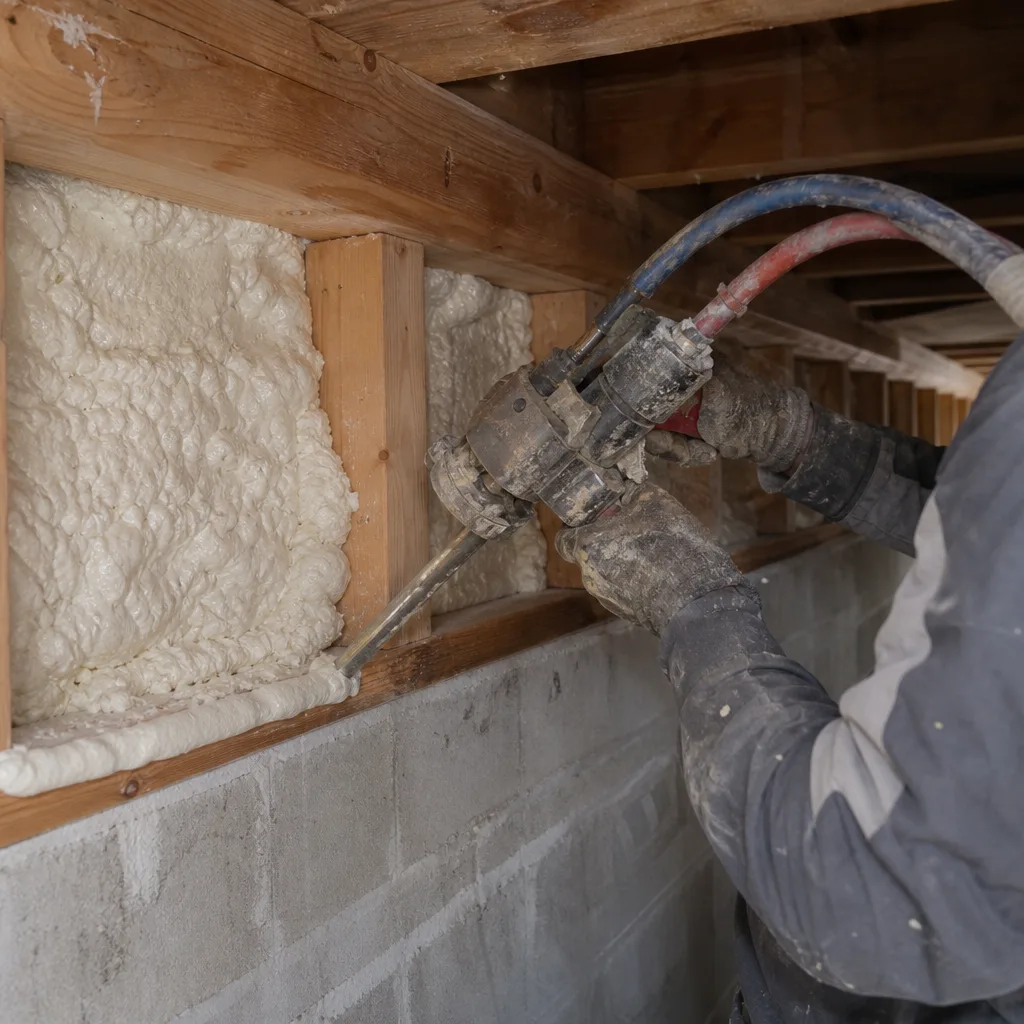
Wes Okafor has run estimates on attics across Pflugerville since Envelope Insulation Co. started operating under the Haven Standard in 2016. His consistent observation: homeowners who bring a written estimate from another contractor to the second opinion conversation almost always discover at least one line item discrepancy – usually around whether air sealing is included, what product is being applied, and what thickness is actually specified.
Wes’s recommendation is straightforward: before accepting any spray foam quote, ask the contractor to specify in writing the foam type, the board-foot thickness being applied, the R-value that thickness will achieve, and whether air sealing of penetrations is included in the price or is a separate line item. If those four things aren’t in the written scope, the quote isn’t comparable to one that includes them. A number on a page means nothing without a scope behind it.
That standard is baked into every estimate Envelope Insulation Co. produces – because a written price before any work starts isn’t a feature, it’s the baseline.
Key Takeaways
- Spray foam insulation in Pflugerville costs $1,800 to $6,500 for most whole-attic applications; the average falls between $2,400 and $4,200.
- Open-cell foam runs $0.44 to $0.65 per board foot; closed-cell runs $1.00 to $1.50 per board foot installed.
- Air sealing of top plates, can lights, and penetrations must be completed before spray foam is applied to the attic floor – this is not optional and affects your total cost.
- Pflugerville falls in Climate Zone 2; the minimum code attic R-value is R-38 for conditioned spaces.
- Before-and-after blower-door readings are documented on applicable jobs so you can verify the air-sealing result in a single measurable number.
- Every job starts with a written price and written scope – no work begins without it.
- The 365-Day Done Right Promise applies to all completed work, backed by the written warranty delivered before anyone starts.
- Free second opinions on written estimates are available – call (737) 259-8352.
Get a Written Price for Your Pflugerville Home
If you’re ready to get a number specific to your attic’s square footage, geometry, and current condition, call (737) 259-8352. A live person will answer and schedule an estimate visit – not a callback window measured in days. You’ll receive a written scope and flat price before any work starts, and the estimate itself costs nothing. If you already have a quote from another contractor, bring it – Wes Okafor and the team at Envelope Insulation Co. will read it with you line by line under our Free Second Opinion offer, so you’re comparing actual scopes rather than numbers on different pages.
Pricing reflects the Pflugerville market as of 2026. Topside Attic Insulation Pflugerville offers free estimates – call (737) 259-8352.
Written by Wes Okafor, Owner at Envelope Insulation Co., serving Pflugerville, TX since 2016.
What Our Customers Say
"They photographed rodent damage in the old insulation that we had no idea about, and priced the exclusion work separately so we could decide."
- Harriet N."The winter gas bill dropped by about a third. They had estimated a quarter, so they under-promised."
- Genevieve R."Crawl space encapsulation done properly. Photographs of the vapour barrier at every seam, and the damp smell in the hallway is gone."
- Ainsley P.