
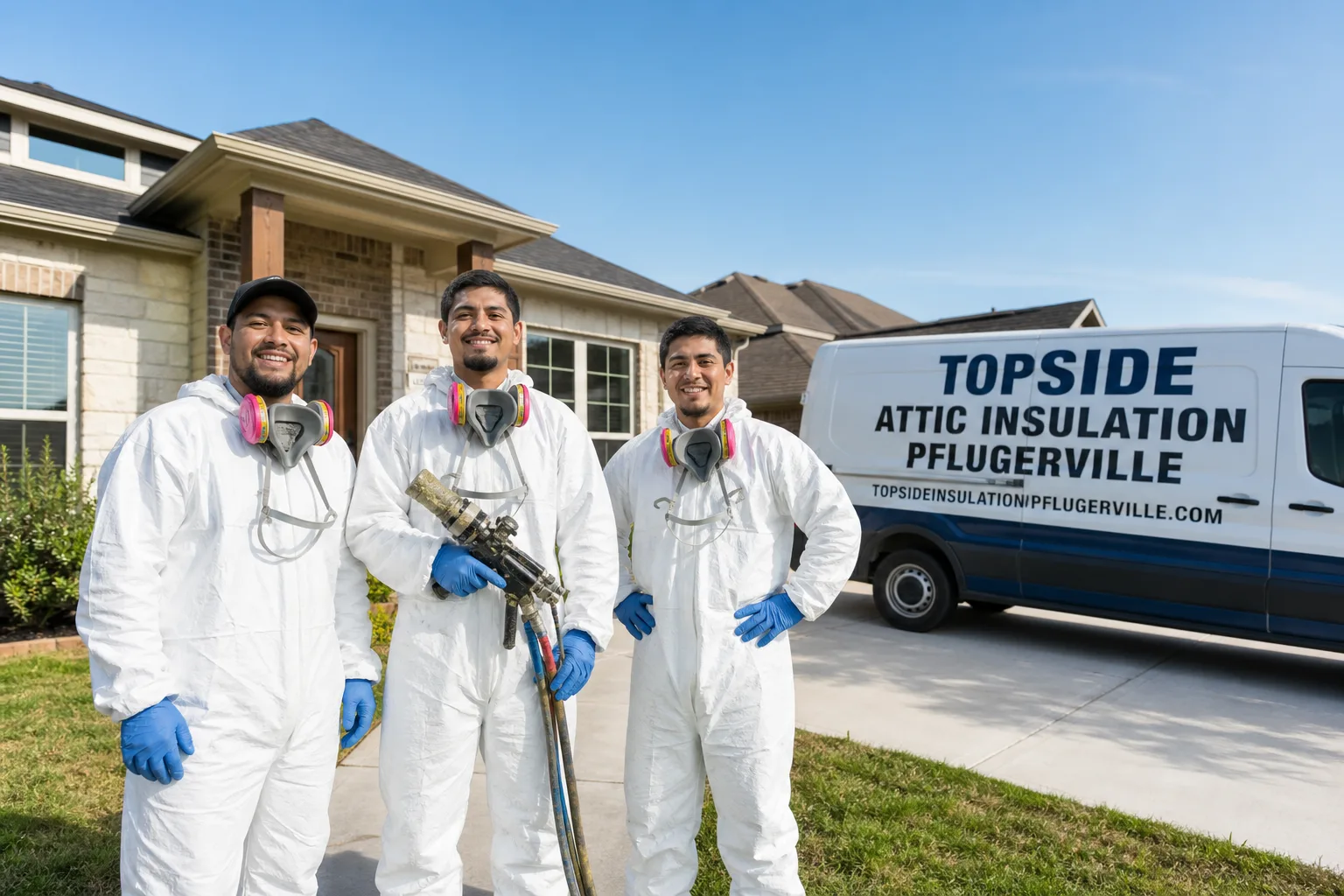
Fast, Reliable Spray Foam Insulation Across Pflugerville
Spray foam insulation in Pflugerville typically costs $1.80-$3.20 per board foot for open-cell and $3.50-$5.50 per board foot for closed-cell, with most whole-attic retrofits running $3,800-$7,500 depending on roof deck square footage and accessibility. We dispatch crews to Pflugerville from our Austin office, and most homes in Blackhawk, Springbrook, or along FM 1825 get a same-day or next-day site visit. Call (737) 259-8352 for a written price before any work starts - that’s Haven Standard Clause 1, no exceptions.
We’ve sealed and insulated over 9,000 homes since 2016, and Pflugerville’s concentration of 2000s-2020s production-built tract homes makes it one of the most predictable markets we serve. Every neighbor on your street likely has the same roof pitch, the same attic geometry, and the same 15-to-20-year-old R-30 blown fiberglass that was minimum spec when D.R. Horton, Lennar, or KB Home built the place. When we find settled, compressed insulation in one Pflugerville attic, we know what the next three houses on the block are holding. That repetition is an advantage for homeowners who want accurate pricing without the guesswork.
Why Topside Attic Insulation Pflugerville Is Pflugerville’s Preferred Spray Foam Insulation Company
Our Spray Foam Insulation in Pflugerville reputation was built one documented job at a time. Homeowners in Blackhawk and Springbrook leave reviews that specifically mention the blower-door numbers we publish - the pressurization reading that shows, in a single figure, how much conditioned air their home was losing before and after the work. We don’t ask for trust; we hand you the documentation.
Response time to Pflugerville averages same-day or next-day for site visits, with crews already working the FM 1825 and SH 130 corridors. Dispatch and scheduling are coordinated from our Austin office, but the trucks that roll to your driveway carry Pflugerville-specific knowledge: which subdivisions used which builder specs, where the rim joists are accessible, and how the 78660 zip’s summer attic temps push original insulation past its design limit.
We’re independently owned and operated under The Haven Standard since 2016. Every job begins with a written price and written scope, and closes with a Documented Photo Record plus before-and-after blower-door readings on applicable jobs. The 365-Day Done Right Promise applies to all completed work. If it’s not done right, we make it right.
Our Spray Foam Insulation Services in Pflugerville
Open-Cell Spray Foam
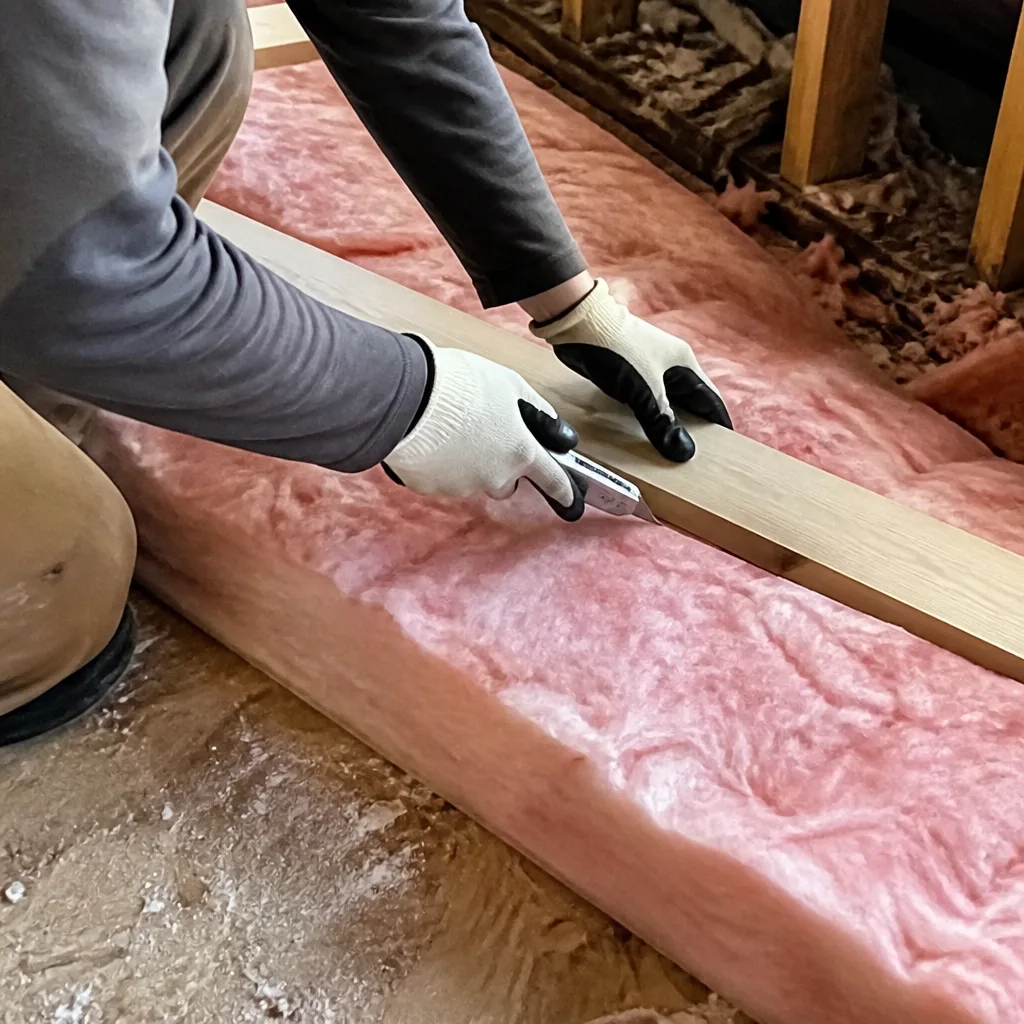
Open-cell spray foam in Pflugerville runs $1.80-$2.80 per board foot installed and is our standard recommendation for roof deck applications in Climate Zone 2. The material expands to roughly 100 times its liquid volume, filling the irregular geometry of production-built attics where trusses and duct platforms create shadowed cavities that blown fiberglass never reached. In the Blackhawk home we mentioned - 2006 build, original R-30 settled to barely 8 inches - open-cell on the roof deck brought the assembly to R-49 and dropped the attic temperature enough that the homeowner noticed the HVAC cycling less during August’s 100°F stretches. Open-cell is vapor-permeable, which matters in Pflugerville’s hot-humid climate because it allows incidental moisture to dry to the interior rather than trapping it against the roof deck.
Closed-Cell Spray Foam
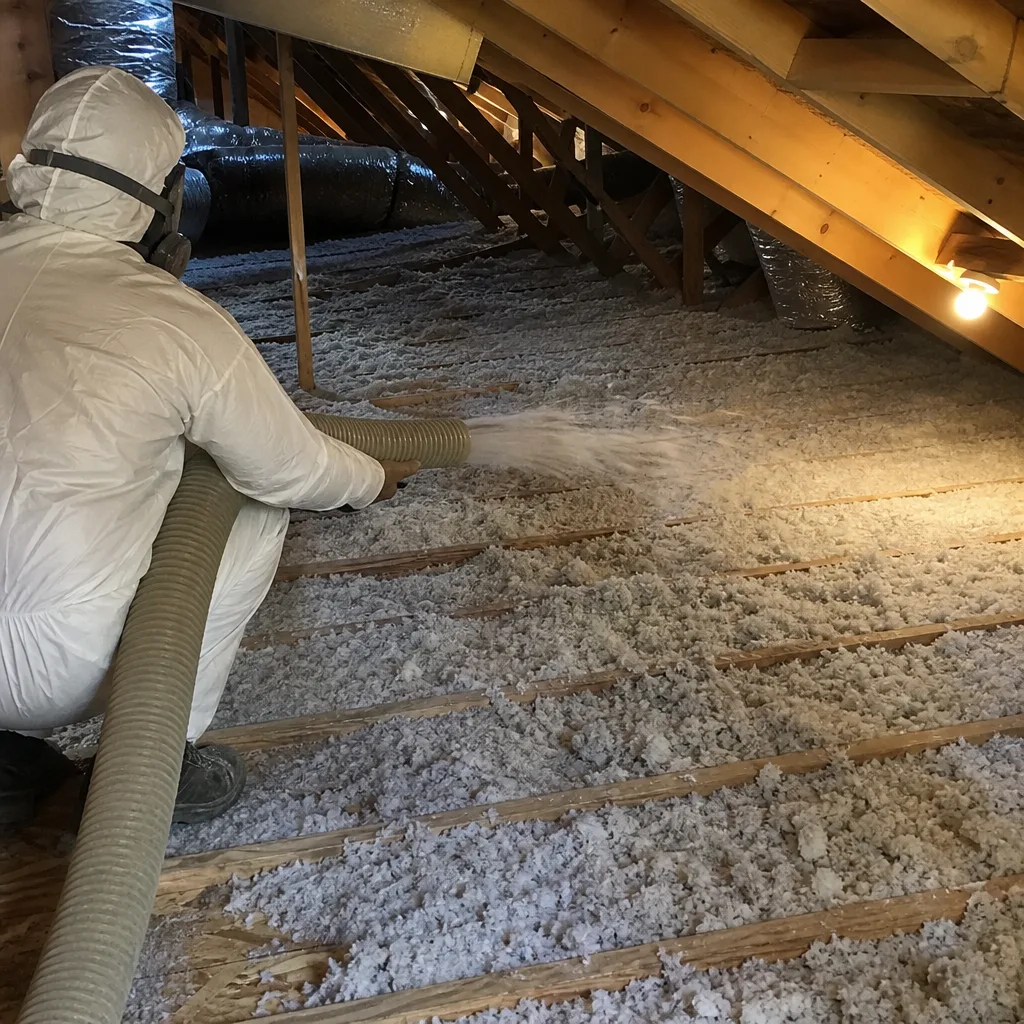
Closed-cell spray foam in Pflugerville costs $3.50-$5.50 per board foot and delivers R-6.5 per inch with a Class II vapor retarder built in. We specify it for rim joists, garage-adjacent walls, and any application where Winter Storm Uri proved the thermal envelope wasn’t robust enough for hard freeze conditions. The same thin barrier that lets 145°F attic air leak through in July lets garage pipes drop below freezing in February. Closed-cell at 2-3 inches on a rim joist creates both the thermal break and the air seal that blown fiberglass cannot. For Pflugerville’s production homes with conditioned air handlers in vented attics, closed-cell on the platform perimeter is often the difference between a system that survives the next Uri and one that doesn’t.
Rim Joist Spray Foam
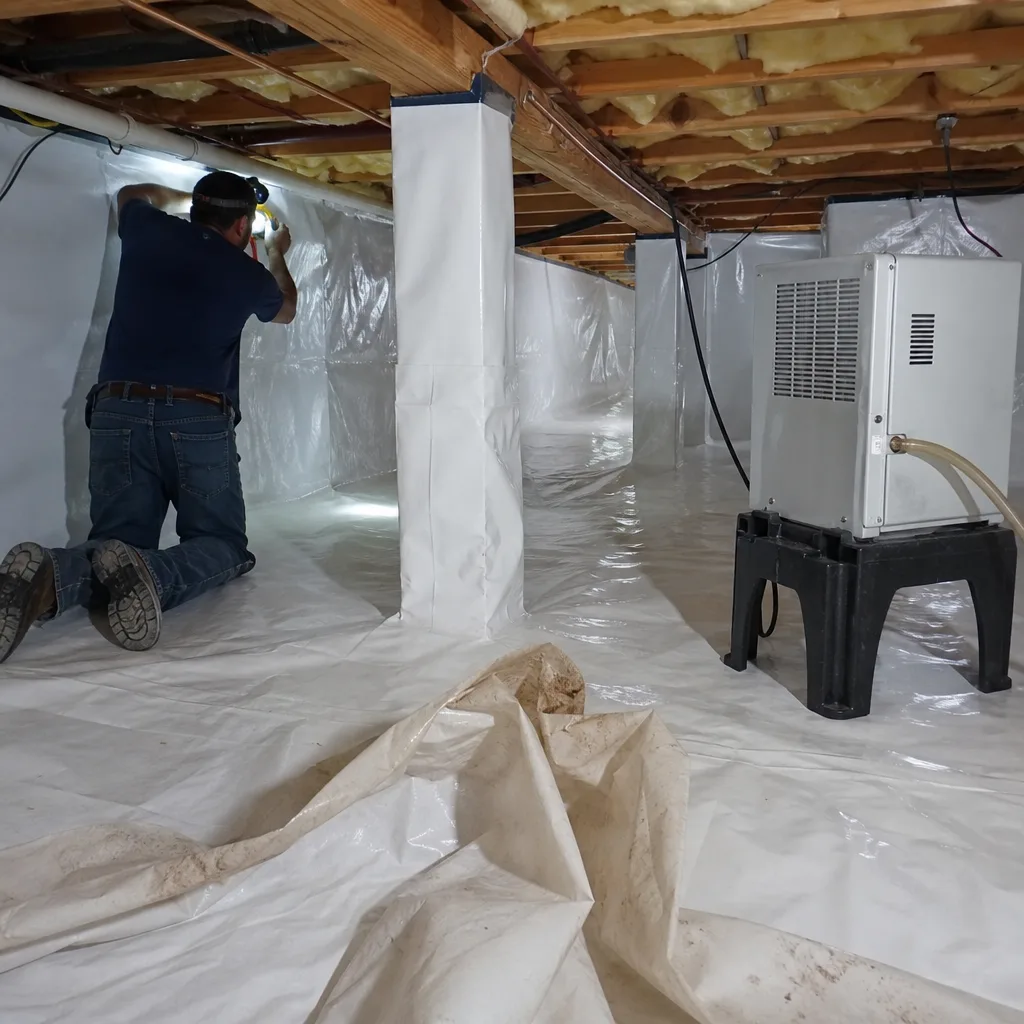
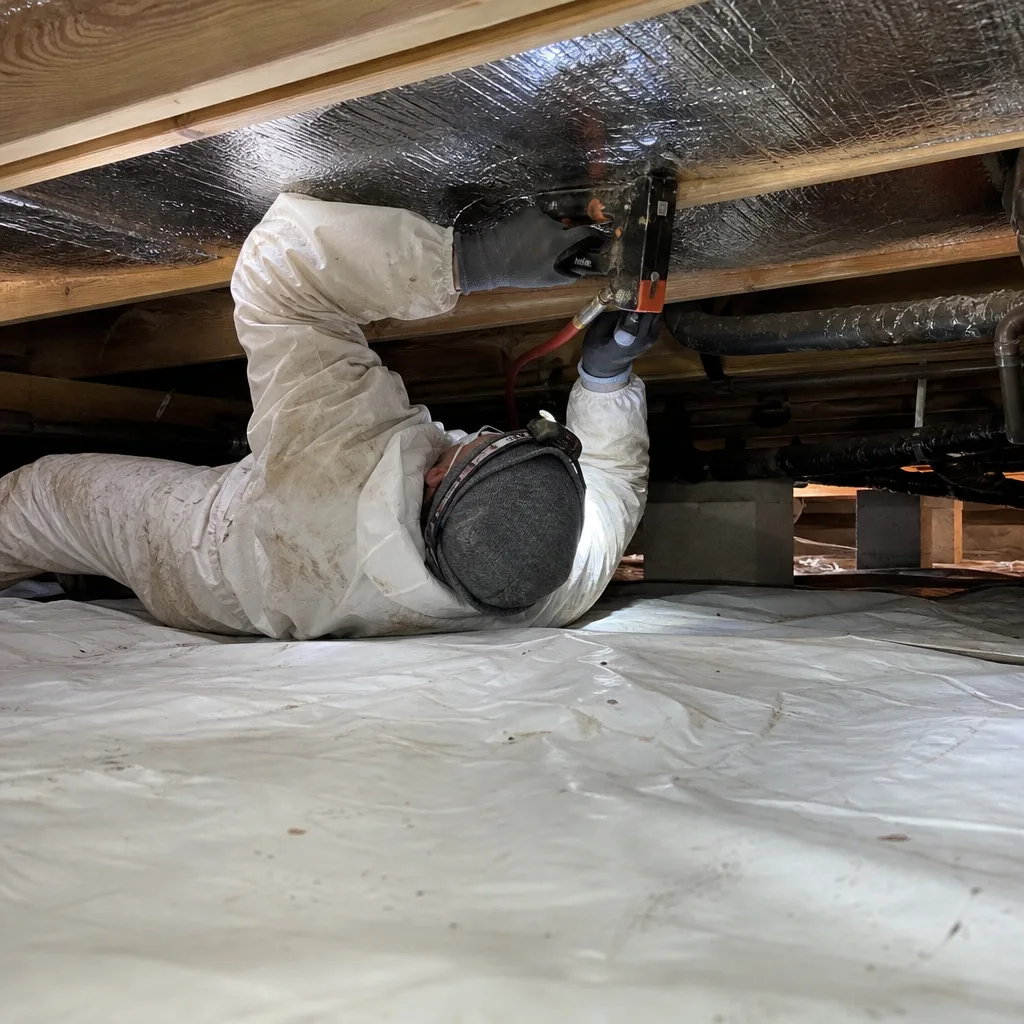
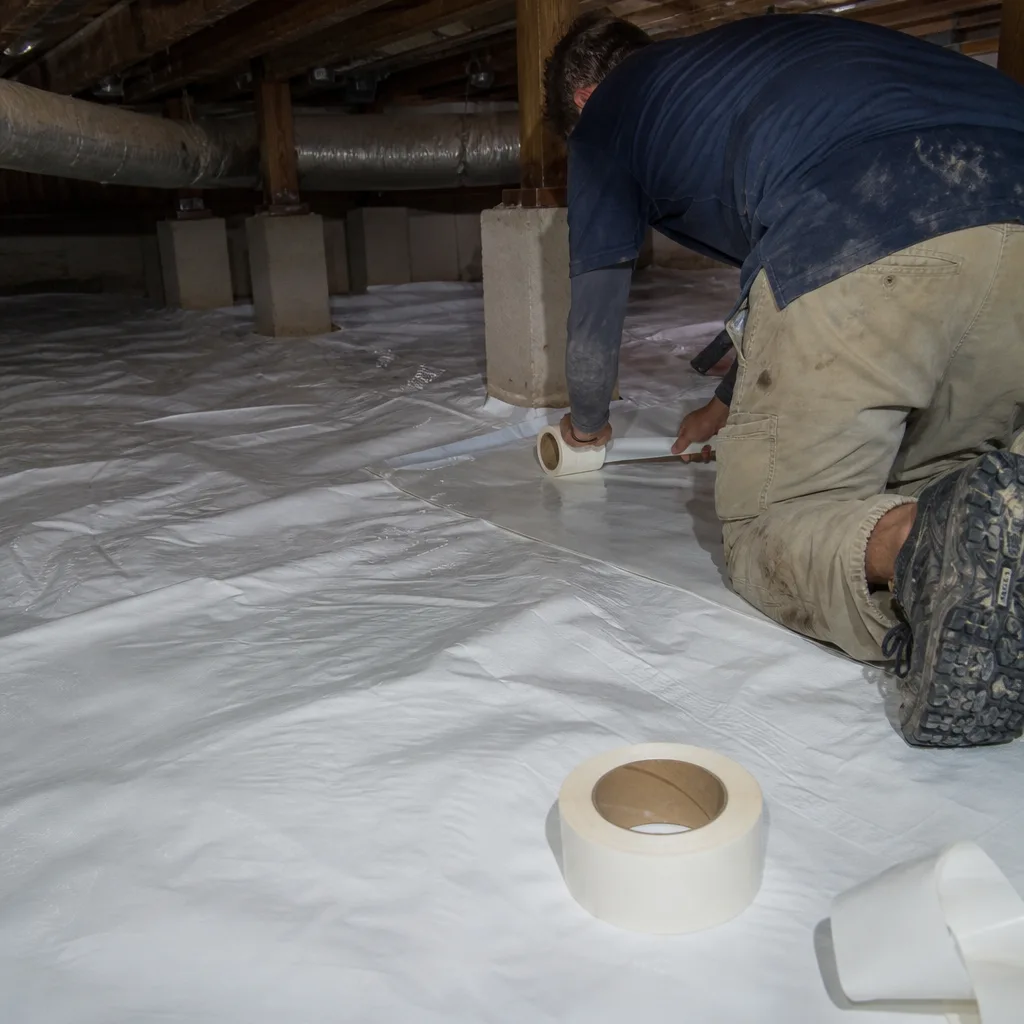
Rim joist spray foam in Pflugerville is typically $800-$1,800 for a standard production home, and it’s the most overlooked air-sealing opportunity in the 2000s-2020s builder inventory. The rim joist - the perimeter band where the foundation wall meets the first floor - is rarely sealed in volume construction, and in Pflugerville’s flat, clay-heavy terrain with minimal basement presence, this joint is exposed to soil moisture and outdoor air simultaneously. We see blower-door reductions of 300-600 CFM50 from rim joist sealing alone. For homes in Springbrook and along Heatherwilde Boulevard, where slab-on-grade construction is universal, this is where the outside air enters. We seal it before any attic work begins. Always.
Garage Ceiling Spray Foam
Garage ceiling spray foam in Pflugerville runs $1,200-$2,800 for a typical two-car production garage, and it’s a targeted fix for a specific local failure mode. Pflugerville builders often placed water lines, washer boxes, or HVAC duct runs in garage-adjacent walls or soffits with nothing but R-30 fiberglass and a layer of drywall between them and unconditioned garage air. When that garage drops to 25°F during a hard freeze, those pipes freeze. Closed-cell spray foam on the garage ceiling and shared wall creates the thermal and air barrier that the original construction omitted. We’ve done this work in homes off FM 685 and in the Meadows at Blackhawk after Uri claims taught homeowners what their builder didn’t.
What happens when you call
- 1
A real person answersNo phone trees - you reach a local pro.
- 2
You get an upfront price rangeHonest numbers before anyone is dispatched.
- 3
A background-checked tech heads outLicensed & insured, dispatched right away.
- 4
You approve before work beginsNothing starts until you say go.
 Before
 After
AfterTrusted Brands We Service in Pflugerville
We source spray foam materials from Icynene, Demilec, and Owens Corning - no proprietary lock-in, no single-source dependency. For Pflugerville homeowners, this means we match the product to the assembly rather than forcing a one-size-fits-all approach. Icynene’s open-cell line is our default for roof decks in hot-humid Climate Zone 2; Demilec’s closed-cell formulations hit the density and vapor retarder specs we need for rim joists and garage ceilings; Owens Corning provides the documentation and batch tracking that lets us stand behind every job with the Haven Standard warranty. We keep local inventory for common Pflugerville applications, so material lead time doesn’t delay your project.
Common Spray Foam Insulation Problems We See in Pflugerville Homes
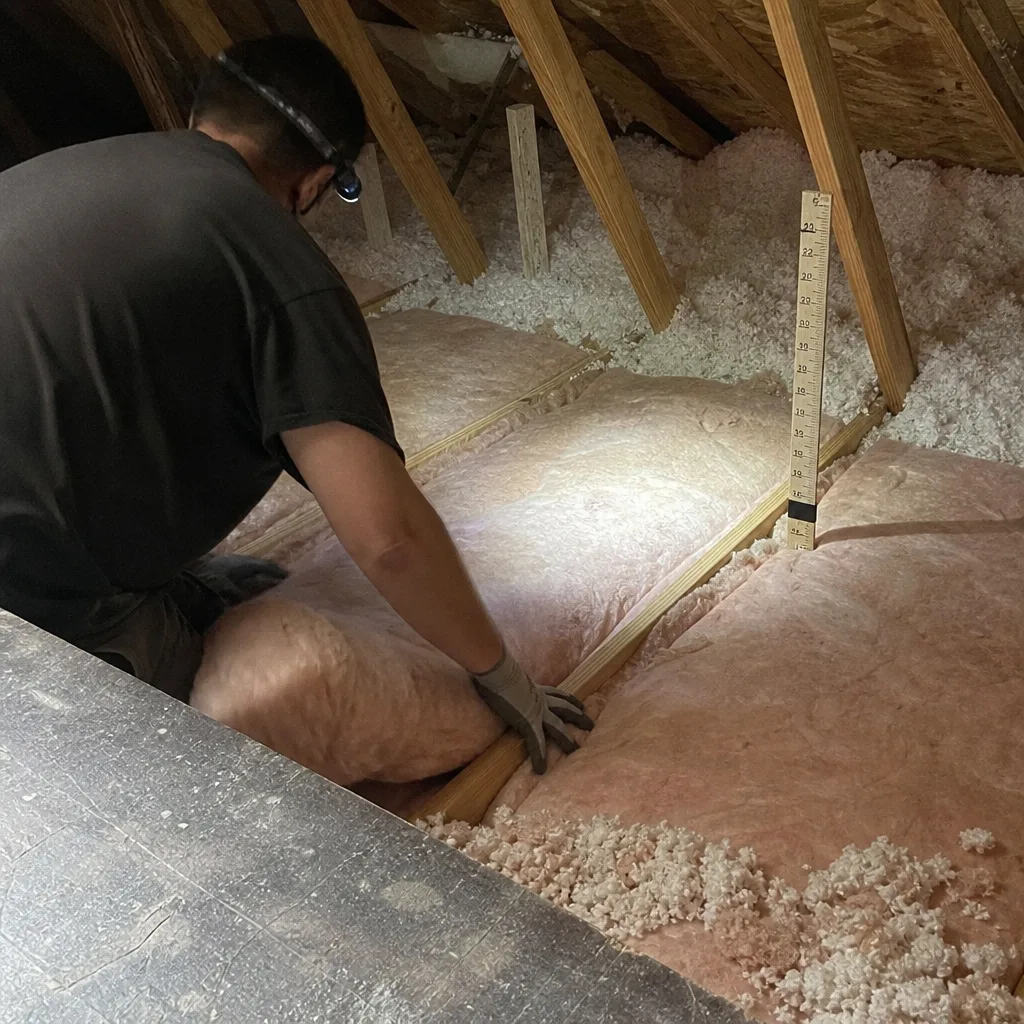
- Settled R-30 blown fiberglass now below effective spec. The original insulation in Blackhawk, Springbrook, and Heatherwilde-area homes was installed at roughly 10-12 inches to achieve R-30 when new. After 15-20 years of compression from HVAC maintenance traffic, storage loads, and natural settling, we routinely measure effective depths of 6-9 inches. The attic can’t buffer 145°F summer temperatures, and the AC runs continuously through August.
- Unsealed top plates and can lights leaking conditioned air into the attic. Production builders in Pflugerville’s 2000s-2010s boom rarely sealed the wall-to-ceiling junction or recessed canister penetrations. Every one of those gaps is a chimney stack in reverse on hot days, pumping cooled air into the attic while pulling 150°F attic air down through interior walls. We seal every penetration before foam goes in. No exceptions.
- Heat-pumped attic air overwhelming undersized ductwork in vented attics. Pflugerville’s 100°F-plus stretches are not occasional; they’re the baseline for July through September. When the attic hits 145°F and the flex duct is lying on compressed fiberglass, the air reaching your registers is 15-20°F warmer than designed. Spray foam on the roof deck moves the thermal boundary to the roof line, putting the ductwork inside conditioned space where it belongs.
- Garage-adjacent pipes and equipment unprotected from freeze conditions. Winter Storm Uri was not a theoretical event for Pflugerville. We fielded calls from homeowners whose garage ceiling was the only thing between 20°F garage air and their washing machine box. Closed-cell spray foam on that ceiling would have prevented the claim. It’s now one of our most requested retrofits in 78660.
Pricing for Spray Foam Insulation in Pflugerville, TX
Most spray foam insulation jobs in Pflugerville fall into these ranges:
| Application | Typical Range |
|---|---|
| Open-cell roof deck (typical 1,800 sq ft attic) | $3,800-$5,800 |
| Closed-cell rim joist (standard slab home) | $800-$1,800 |
| Closed-cell garage ceiling (2-car) | $1,200-$2,800 |
| Combined attic + rim joist package | $5,200-$8,500 |
| Full roof deck closed-cell (premium assembly) | $6,500-$10,000 |
What moves you within these ranges: roof pitch (steeper = more surface area), existing insulation removal requirements, accessibility for hose runs, and whether we need to build temporary flooring for safety. Every Pflugerville job starts with a written price - flat, itemized, no escalation clauses. Haven Standard Clause 1. We also offer a Free Second Opinion on any written estimate from another contractor; bring us their scope and we’ll read it with you. Call (737) 259-8352 to schedule. Estimates are free, and a live person answers 24/7.
We Also Serve Cities Near Pflugerville
Our Spray Foam Insulation crews work the full corridor from Round Rock and Hutto through Manor and into Austin proper. If you’re in a 2000s-era production subdivision anywhere in this radius - whether it’s Round Rock’s Teravista or Manor’s ShadowGlen - the same builder-era failure patterns apply, and the same documentation standards govern our work.
Serving Pflugerville, TX - Our Local Coverage Area
We’re based in the Pflugerville area and know this community well. Use the map below to see our service coverage - if you’re nearby, we can almost certainly help.
FAQs - Spray Foam Insulation in Pflugerville
Yes. That original R-30 blown fiberglass has likely settled to 6-9 inches effective depth and compressed around your HVAC platform, leaving the attic unable to buffer 145°F summer temperatures. In the Blackhawk home we sealed and sprayed last year, the blower-door reading dropped from 4,200 CFM50 to 2,100 after air sealing and open-cell roof deck application, and the homeowner’s August electric bill dropped from $340 to $220. Your floor plan, roof pitch, and original spec are identical to dozens of homes we’ve already documented in that subdivision. Call (737) 259-8352 for a written price and we’ll show you the before-and-after numbers from comparable Blackhawk jobs.
Adding more blown fiberglass doesn’t seal the air leaks that are driving your energy loss. In Springbrook homes, we find unsealed top plates, can light penetrations, and duct boots leaking 400-800 CFM50 of conditioned air into the attic before we touch the insulation. Closed-cell spray foam acts as both air barrier and insulation in one application, and at R-6.5 per inch it achieves the R-49 Climate Zone 2 recommendation in fewer inches than fiberglass. More importantly, it doesn’t settle. The blown fiberglass you’re considering adding will compress to the same compromised state in 10-15 years. Call (737) 259-8352 and we’ll show you the blower-door documentation from Springbrook jobs that prove the difference.
Almost certainly yes, and that’s not speculation. D.R. Horton, Lennar, and KB Home repeated identical floor plans and R-30 attic specs across entire Pflugerville subdivisions. Your neighbor’s roof pitch is your roof pitch. Their attic geometry is your attic geometry. Their 2006-2015 blown fiberglass has settled and compressed on the same timeline as yours. When we confirm R-30 failure in one Blackhawk or Springbrook home, we can legitimately predict the same condition on the same street. This isn’t a sales tactic; it’s the consequence of volume construction. We offer free estimates that include a photo-documented attic inspection so you can see your own condition without relying on your neighbor’s experience. Call (737) 259-8352.
Spray foam creates an air-impermeable thermal boundary that performs in both directions, unlike fiberglass which only slows heat transfer and does nothing to stop air movement. In summer, open-cell or closed-cell on the roof deck keeps 145°F attic air out of your conditioned envelope, reducing the load that drives your AC to continuous operation. In winter, the same assembly prevents the stack effect that pulls 25°F outdoor air through rim joists and top plates, protecting pipes and reducing furnace run time. Winter Storm Uri proved that Pflugerville’s thin thermal envelopes were designed for only one extreme; spray foam is how you make them handle both. Call (737) 259-8352 for a written scope that addresses both seasons.
Spray foam the roof deck if your HVAC and ductwork are in the attic; spray foam the garage ceiling if you have water lines, washer boxes, or equipment in garage-adjacent walls. Most Pflugerville production homes need both, but the priority depends on your pain point. If your August electric bill is the problem, the roof deck comes first. If you had a pipe freeze in the garage during Uri, the ceiling comes first. In some homes off Heatherwilde Boulevard, we’ve done both in the same project. We’ll inspect your specific layout and give you a written price for each option, ranked by impact. No upsell pressure. Haven Standard Clause 1. Call (737) 259-8352.
Written by Wes Okafor, Owner at Envelope Insulation Co., serving Pflugerville since 2016.