
Last updated September 24, 2026
How to Hire a Insulation Contractor in Pflugerville: A Step-by-Step Guide
In Pflugerville, we’ve measured attics where the insulation depth looked textbook-perfect - 14 inches of blown fiberglass, R-38 on paper - yet the blower-door test still read 3,800 CFM50 because nobody had sealed the top plates or the recessed-light housings. The homeowner had paid for warmth and gotten a filter that conditioned air simply passed through on its way outside. This guide will show you how to avoid that outcome: the five line items every written quote must contain, how to verify a contractor’s air-sealing results from past jobs, and the specific red-flag language that signals a bid solving the wrong problem.
Quick Answer
Hiring an insulation contractor in Pflugerville starts with requiring a written quote that specifies material type, settled R-value, air-sealing scope, documentation deliverables, and warranty terms - not just an installed depth and a price. Verify Texas license status through TDLR, request blower-door results from previous comparable jobs, and reject any bid that treats air sealing as an optional add-on rather than a prerequisite. The best contractors in this market will show you pressurization numbers, not promise comfort.
Table of Contents
- Why R-Value Alone Fails in Pflugerville Homes
- The Five Line Items Every Written Quote Must Contain
- How to Verify a Contractor’s Actual Results
- Why the Diagnostic Step Matters More Than the “Free Estimate”
- License and Insurance Minimums Under Texas Law
- Red-Flag Contract Language and What to Demand Instead
- How Pflugerville’s Climate and Housing Stock Affect Your Project
- Common Mistakes to Avoid
- When to Call a Professional
- Frequently Asked Questions
- The Bottom Line
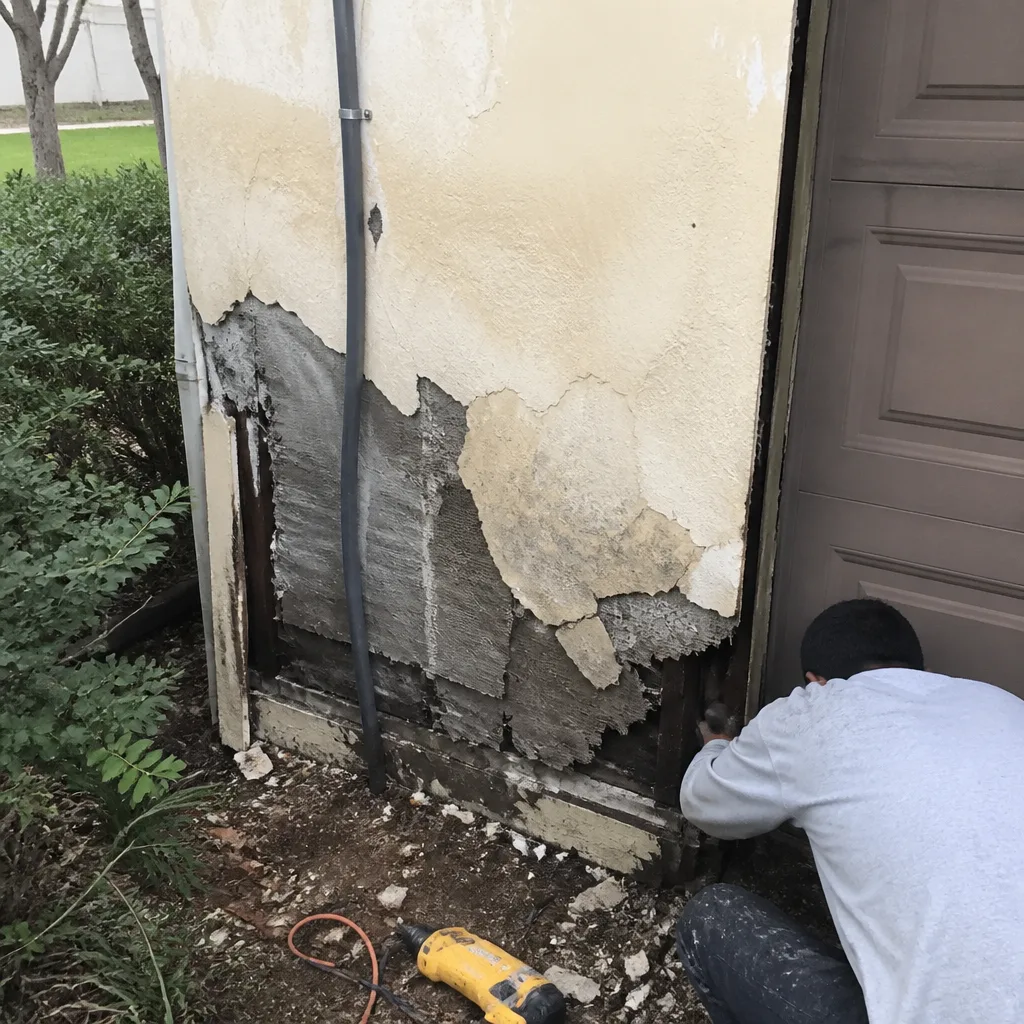 Before
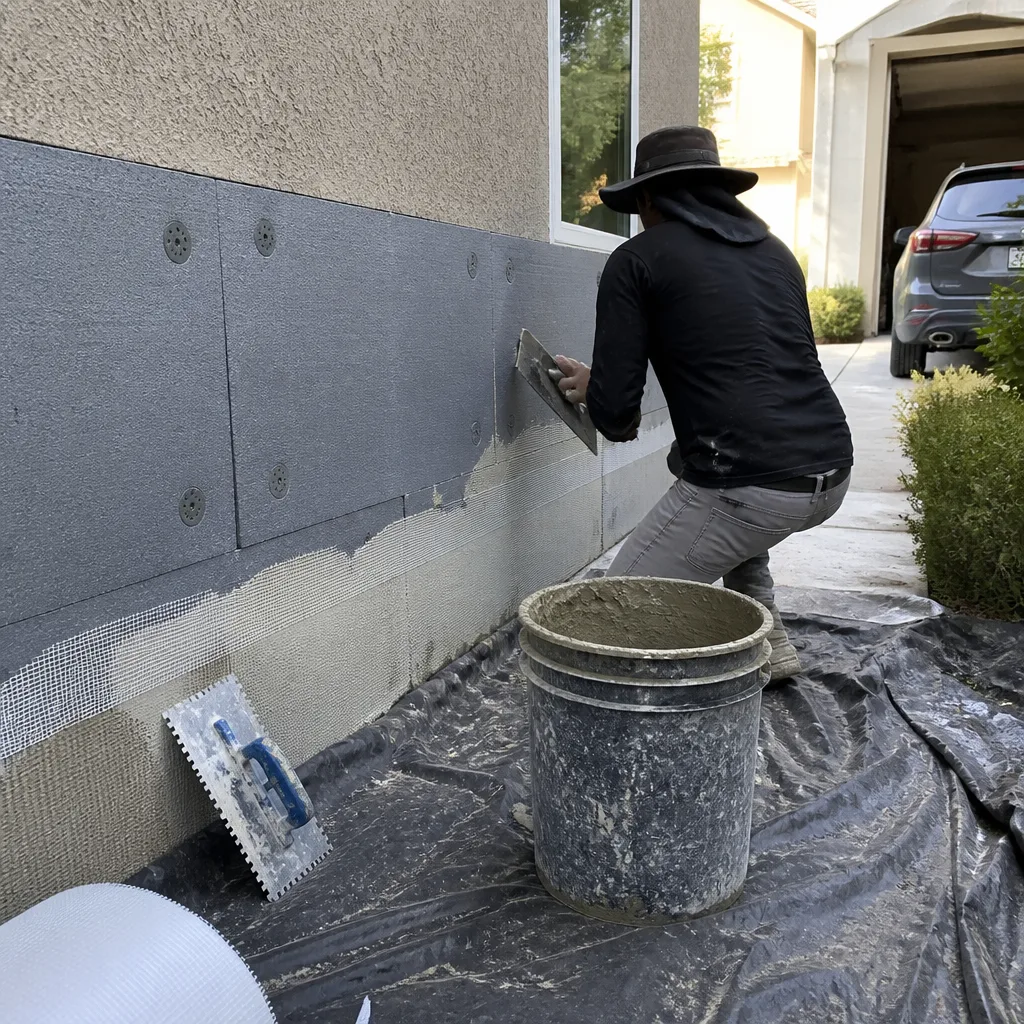 After
AfterWhy R-Value Alone Fails in Pflugerville Homes
When a contractor quotes “R-38 blown insulation,” that price almost never includes sealing the 47 average penetrations - wire chases, top plates, recessed lights, HVAC boots - that allow conditioned air to escape regardless of how deep the insulation sits on top of them. In our work across Pflugerville neighborhoods from Windermere to Blackhawk, we’ve found this is the single most expensive mistake homeowners make: accepting a quote that lists an R-value without specifying the air-sealing scope. Those are two separate scopes of work, and only one of them is typically included in a standard bid.
R-value measures resistance to conductive heat flow. It does not measure air leakage, which accounts for up to 40% of energy loss in Central Texas homes. A home in Heatherwilde with R-49 insulation and an unsealed attic floor will underperform a home in Old Town Pflugerville with R-30 and a properly sealed envelope. The difference shows up in summer electric bills, in rooms that never cool evenly, and in HVAC systems that cycle too frequently because they’re replacing conditioned air that’s escaping faster than the ductwork can deliver it.
The 2018 International Energy Conservation Code, adopted with local amendments in Pflugerville, requires air sealing as part of the thermal envelope assembly. Yet many bids we review treat it as an upsell or omit it entirely. This is why we begin every attic insulation project in Pflugerville with a blower-door test - a pressurization reading that shows, in one number, how much air your building envelope is losing. We seal first, then insulate, in that order. We’ve seen too many attics in this market where insulation was blown over unsealed top plates, effectively burying the problem rather than fixing it.
Homeowners in Pflugerville’s 2015-2022 construction boom should be especially cautious. Builders in that period often met code-minimum R-values with batt insulation installed quickly, with gaps at electrical boxes and compression around wiring that reduced actual performance by 20-30%. A contractor quoting “add R-30 on top” without inspecting the existing layer’s condition is quoting for a result they cannot deliver.
The Five Line Items Every Written Quote Must Contain
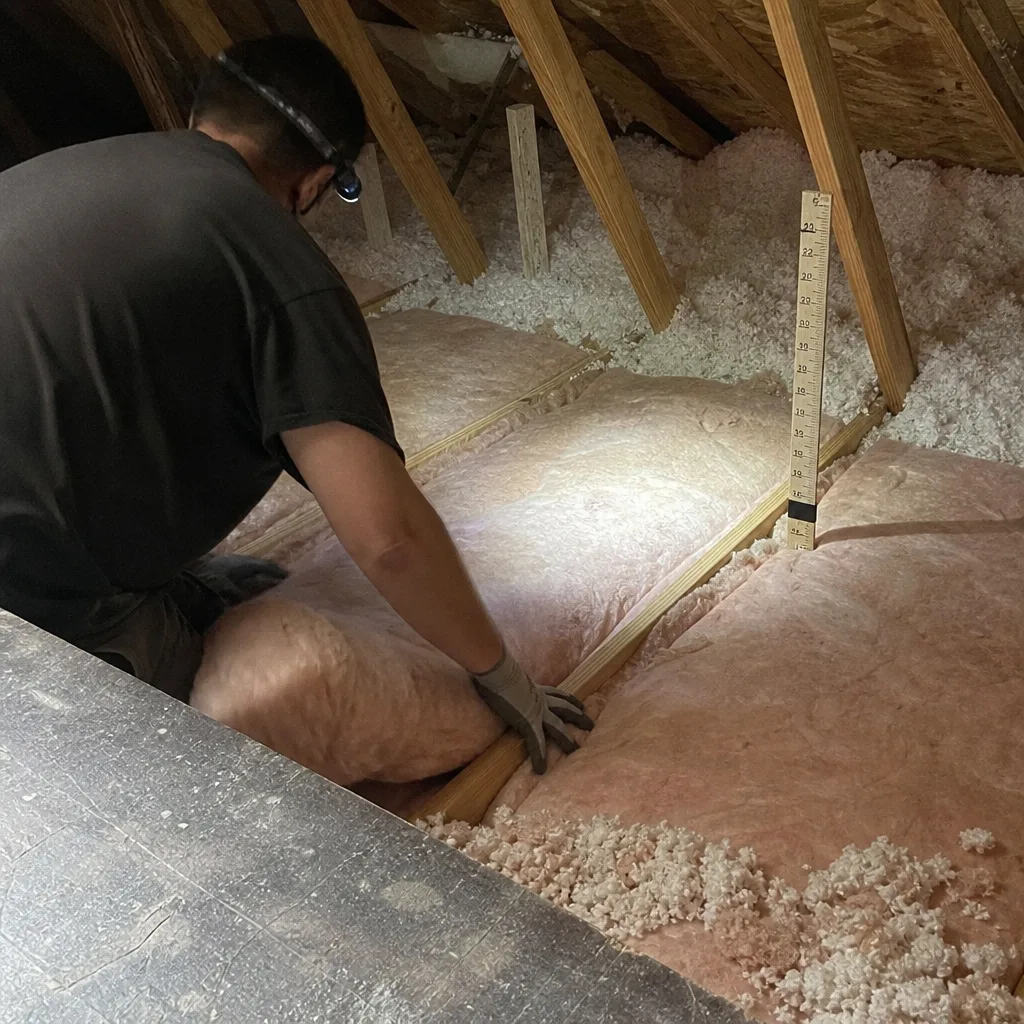
Before you can compare two insulation bids in Pflugerville, both must contain the same information in writing. We’ve reviewed estimates from across Travis and Williamson counties, and the ones that produce satisfactory outcomes share these five elements. The ones that don’t - and we’ve been called to fix dozens - typically omit two or more.
1. Material Type and Manufacturer
The quote should specify not just “blown fiberglass” or “spray foam” but the manufacturer and product line. Owens Corning AttiCat, Knauf Jet Stream, CertainTeed InsulSafe - these carry different density specs, settle rates, and coverage charts. A contractor who won’t name the product may be sourcing from a distributor who blends seconds or off-spec material. We specify our materials on every quote, sourced from Knauf, Rockwool, CertainTeed, and other manufacturers with published spec sheets, because the homeowner has a right to verify what enters their envelope.
2. Settled R-Value, Not Installed Depth
Installed depth is meaningless without knowing the settle rate. Blown fiberglass settles 10-20% after installation; cellulose settles 13-20%. A contractor quoting “14 inches” without specifying the settled R-value is quoting for a performance they cannot guarantee. The written quote should state: “Settled R-value of [X], achieved at [Y] inches installed depth per manufacturer coverage chart.” Anything less is unverifiable.
3. Air-Sealing Scope with Specific Penetrations
This is where most bids fail. The quote must list the penetrations to be sealed: top plates, bottom plates, electrical boxes, recessed-light housings, HVAC boots, plumbing stacks, wire chases, chimney chases, and any other envelope breaches visible at the time of inspection. “Air sealing as needed” or “standard air sealing” is not a scope; it’s an escape clause. Under Haven Standard Clause 1, our written scope specifies every penetration category we will address, because the homeowner deserves to know what they’re paying for before anyone lifts a tool.
4. Documentation Deliverables
The quote should state what documentation you receive upon completion. At minimum for our work in Pflugerville: a Documented Photo Record showing before, during, and after conditions; on applicable jobs, before-and-after blower-door readings; and a written warranty. If a contractor’s quote is silent on documentation, ask directly. The answer - or the evasion - will tell you everything about how they expect you to verify their work.
5. Warranty Terms in Writing
Verbal warranties are unenforceable. The quote must attach or reference a written warranty with duration, coverage scope, and claim procedure. Our 365-Day Done Right Promise applies to all completed work, and the terms are delivered in writing before work starts, not after. If a contractor says “we warranty our work” but won’t produce the document, that warranty does not exist.
| Line Item | What to Look For | Red-Flag Language |
|---|---|---|
| Material Type | Manufacturer + product line specified | “Premium blown insulation” or “industry-standard fiberglass” |
| Settled R-Value | R-value at settled depth, with installed depth noted | “R-38 equivalent” or “up to R-38” |
| Air-Sealing Scope | List of specific penetration types to be sealed | “Air sealing as needed” or “standard air sealing included” |
| Documentation | Photo record, blower-door numbers, written warranty specified | “Photos available on request” or no mention at all |
| Warranty Terms | Written document with duration, scope, and claim process | “Fully warranted” without attached terms |
How to Verify a Contractor’s Actual Results
A contractor’s promises are only as good as their documented outcomes. In Pflugerville’s competitive insulation market, we’ve found that homeowners who ask for evidence before signing a contract avoid the majority of poor outcomes. Here’s how to request and interpret that evidence.
Requesting Blower-Door Results from Previous Jobs
Ask for before-and-after blower-door test results from three recent jobs on homes comparable to yours in age, size, and construction type. A blower-door test - a pressurization reading that shows, in one number, how much air your building envelope is losing - is measured in CFM50 (cubic feet per minute at 50 Pascals of pressure). The lower the number, the tighter the envelope.
For Pflugerville homes, here are benchmark ranges we use based on square footage and vintage:
- Pre-1990, 1,500-2,500 sq ft: 3,500-5,500 CFM50 before sealing; target 2,000-2,800 after
- 1990-2010, 1,500-2,500 sq ft: 2,800-4,200 CFM50 before sealing; target 1,800-2,400 after
- 2010-2020, 1,500-2,500 sq ft: 2,200-3,500 CFM50 before sealing; target 1,500-2,000 after
- Post-2020, 2,000-3,500 sq ft: 1,800-2,800 CFM50 before sealing; target 1,200-1,800 after
A contractor who cannot produce these numbers, or who produces only “after” numbers without the baseline, is asking you to trust rather than verify. In our experience across Pflugerville’s Windermere, Blackhawk, and Heatherwilde neighborhoods, the homes that perform best five years after installation are the ones where the homeowner saw the pressurization change in writing before paying the final invoice.
What the Numbers Should Show
The percentage reduction matters as much as the absolute number. A 30-50% reduction in CFM50 is achievable with thorough air sealing of top plates, can lights, and penetrations before insulation. Anything less suggests incomplete sealing or insulation installed over unaddressed leaks. We publish before-and-after blower-door numbers on every applicable job so homeowners can see the performance change they actually paid for - not because we’re proud of the numbers, but because the numbers are the only proof that matters.
Ask also for thermal imaging from the job. Infrared photos taken during the blower-door test reveal patterns that numbers alone cannot: bypasses at party walls in townhomes common in Pflugerville’s newer developments, thermal bridging at truss heels in 1990s ranch homes, or missing insulation in vaulted ceilings that a visual inspection from the attic hatch would miss.
Why the Diagnostic Step Matters More Than the “Free Estimate”
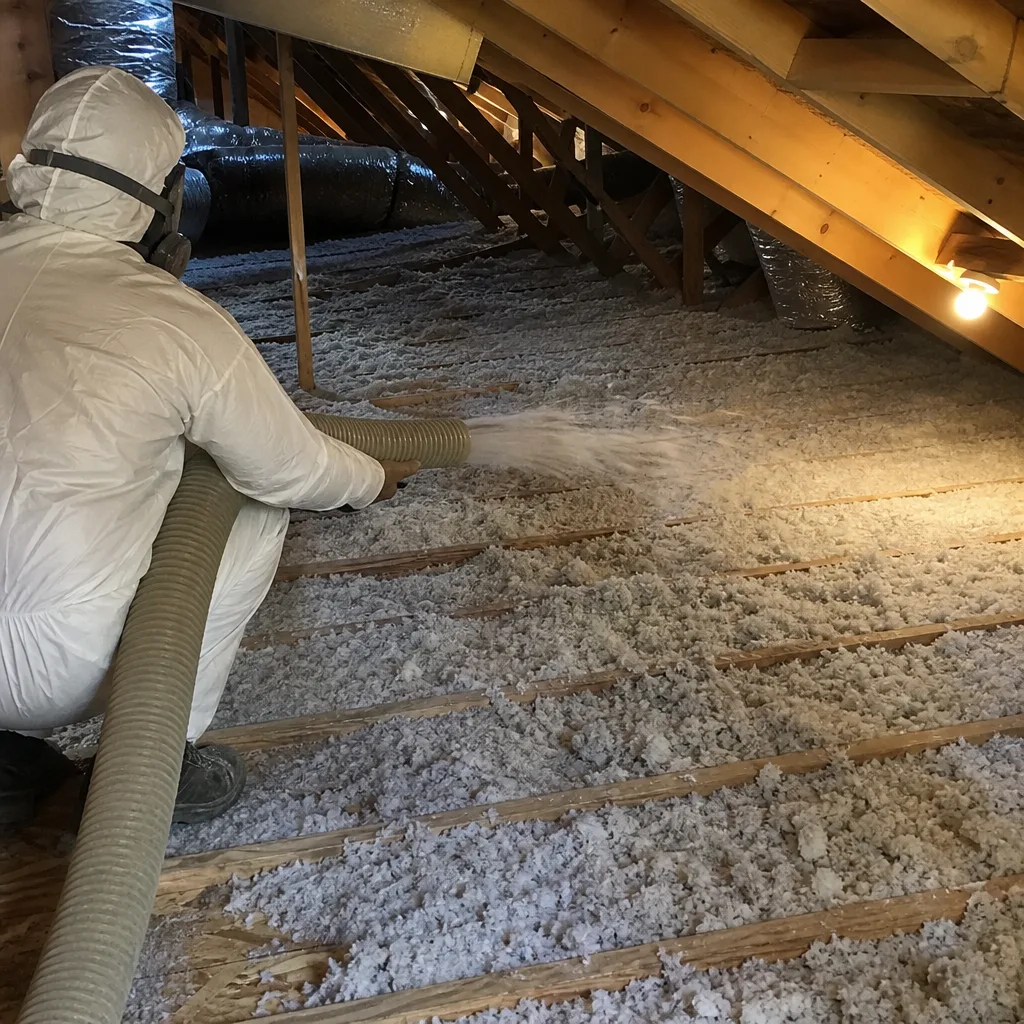
The “free estimate” that skips a diagnostic step - no blower-door test, no thermal imaging, no attic inspection beyond a flashlight sweep from the hatch - often produces quotes that solve the wrong problem. We’ve responded to calls in Pflugerville where a homeowner received three free estimates, all quoting additional insulation, when the actual problem was a disconnected return duct in the attic pulling 120-degree air into the system. More insulation would have buried the duct, not fixed it.
A proper diagnostic takes 45-90 minutes and includes:
- Attic entry and full visual inspection of existing insulation condition, ventilation, and penetrations
- Blower-door test to establish baseline air leakage and identify dominant leak paths
- Thermal imaging during depressurization to locate bypasses and insulation gaps
- Combustion safety testing if gas appliances are present in the conditioned space
- Written findings with prioritized recommendations, not a single-option quote
Contractors who skip this step are not being efficient; they’re being speculative. They’re guessing at the solution before defining the problem. In Pflugerville’s climate - where summer attic temperatures exceed 140°F and winter nights occasionally drop below freezing - guessing produces discomfort and wasted money.
We charge nothing for our diagnostic visit, but we do require it before quoting. This is not a sales tactic; it’s a prerequisite for a written price that means anything. Under Haven Standard: Have it in writing - and what gets written depends entirely on what the diagnostic reveals. We’ve declined to quote jobs where the diagnostic showed the homeowner needed HVAC repair, not insulation, because quoting for work that wouldn’t solve the problem violates the standard we operate under.
For crawl space encapsulation in Pflugerville, the diagnostic is even more critical. Moisture source identification - grade drainage, plumbing leaks, foundation cracks - determines whether encapsulation alone will work or if additional measures are needed. A quote for vapor barrier installation without moisture source identification is a quote for a damp crawl space with a plastic liner on the floor.
License and Insurance Minimums Under Texas Law
Texas does not require a state-level contractor license specifically for insulation work, but several regulatory layers apply - see our guide to Insulation Permits, Codes & Inspections in TX: What You Need to Know - and verification takes under five minutes through the Texas Department of Licensing and Regulation (TDLR).
What to Verify
Air Conditioning and Refrigeration Contractor License: If the scope includes duct modification or HVAC boot sealing - which it should in any comprehensive air-sealing job - the contractor must hold a TDLR-issued ACR license. Verify at tdlr.texas.gov using the contractor’s name or business name.
Registered Business Status: The entity should be registered with the Texas Secretary of State and in good standing. This confirms legal existence and service-of-address for any future dispute.
General Liability Insurance: Minimum $1 million per occurrence is standard for residential envelope work. Request a certificate of insurance naming you as additional insured for the project duration. This is not excessive; it’s standard practice for any contractor entering your home with power equipment and crew members.
Workers’ Compensation or Equivalent: Texas does not mandate workers’ comp, but a contractor without it exposes you to liability if a crew member is injured on your property. Ask for proof of coverage or a written acknowledgment that all workers are statutory employees covered under the contractor’s policy.
How to Verify in Under Five Minutes
- Navigate to tdlr.texas.gov and select “License Search”
- Enter the contractor’s individual name or business entity name
- Confirm license type, status (“Active”), and expiration date
- Request certificate of insurance directly from the contractor’s insurance agent, not from the contractor
- Cross-reference business registration at sosdirect.sos.state.tx.us
Contractors who resist this verification, or who produce documentation that doesn’t match the name on the quote, are signaling risk that no price discount can offset. We’ve been called to remediate jobs in Pflugerville where the original contractor’s TDLR license had expired two years prior, voiding their insurance and leaving the homeowner without recourse for failed work.
Red-Flag Contract Language and What to Demand Instead
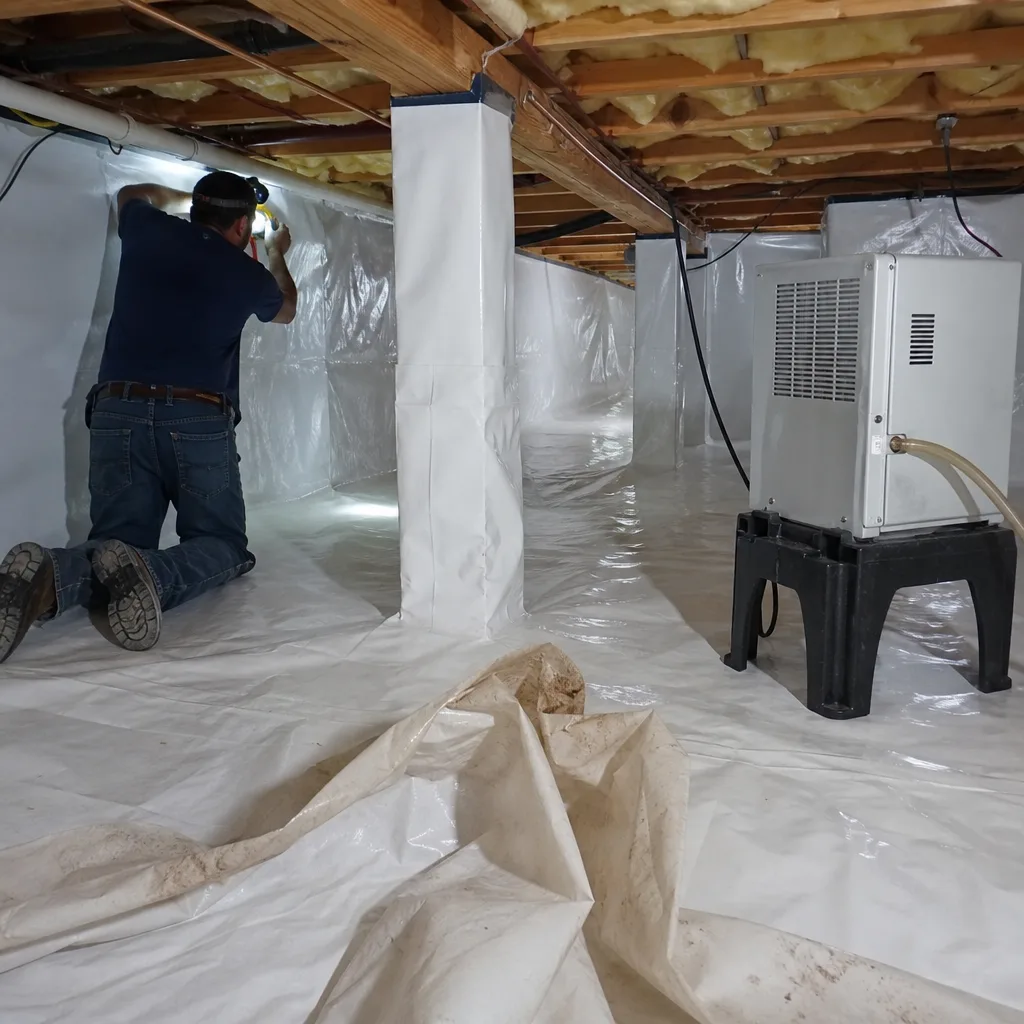
Contract language reveals intent. After reviewing hundreds of insulation contracts across Central Texas, we’ve identified specific phrases that predict disputes, and the precise language homeowners should require instead.
“Approximate R-Value” or “Equivalent to R-[X]”
This language permits installed depth without verified settle rate. Demand instead: “Settled R-value of [specific number], verified per manufacturer coverage chart at [specific] inches installed depth.”
“Air Sealing as Needed” or “Standard Air Sealing Included”
These phrases contain no scope boundary. “As needed” is determined by the installer, not the homeowner, and “standard” has no industry definition. Demand instead: a bulleted list of specific penetration types - top plates, electrical boxes, recessed-light housings, HVAC boots, plumbing stacks, wire chases, chimney chases - with notation that any additional penetrations discovered during work will be documented and discussed before sealing.
“Standard Installation” or “Industry-Standard Practices”
These are escape clauses. They permit any method the contractor prefers, regardless of manufacturer specifications or code requirements. Demand instead: reference to specific installation standards - ASTM C739 for cellulose, ASTM C764 for loose-fill fiberglass, or manufacturer installation instructions cited by name and date.
“Photos Available on Request”
This places burden on the homeowner to remember to ask, and permits selective disclosure. Demand instead: “Documented Photo Record included with final invoice, showing before condition, during work, and completed installation.” Our Topside Attic Insulation Pflugerville home page describes how we deliver this record on every job.
“Fully Warranted” Without Attached Terms
A warranty without terms is not a warranty; it’s marketing language. Demand instead: a written warranty document specifying duration (in years), coverage scope (material, labor, or both), exclusions (settlement, homeowner modification, etc.), and claim procedure (contact method, response time, remediation process).
Verbal Promises Not Reflected in Writing
Any promise made during sales conversation - “we’ll seal that extra chase at no charge,” “the crew will check the ductwork while they’re up there” - must appear in the written scope or it will not happen. Under Haven Standard: Have it in writing. We deliver our written scope, written price, and written warranty before anyone starts because verbal agreements dissolve under pressure, and construction projects always involve pressure.
How Pflugerville’s Climate and Housing Stock Affect Your Project
Pflugerville occupies a specific position in Central Texas: close enough to Austin to share its heat island intensification, far enough northeast to experience slightly more winter exposure than the urban core. This geography creates insulation requirements that differ from both Austin proper and more rural Williamson County.
Climate-Specific Considerations
Summer design temperature for Pflugerville is 99°F, with attic temperatures routinely reaching 140-150°F in unventilated or poorly ventilated spaces. This makes radiant barrier performance particularly relevant for homes with ductwork in the attic - a common configuration in 1980s-2000s construction in neighborhoods like Old Town Pflugerville and Falcon Pointe. A spray foam insulation project in Pflugerville that includes open-cell foam on the roof deck can reduce attic temperature by 30-40°F, transforming the attic from a hostile environment into a semi-conditioned space.
Winter design temperature is 23°F, which means heating degree days accumulate enough to matter for homes with envelope leaks. Pflugerville’s occasional hard freezes - most recently February 2021 - exposed homes where air sealing had been skipped: ice dams at eaves where warm attic air melted roof snow, frozen pipes in exterior walls where insulation gaps met air leakage paths.
Housing Stock Patterns
Pflugerville’s construction waves create distinct project types:
- Pre-1990: Often under-insulated by current standards, with batt insulation that has degraded or been disturbed by prior work. These homes benefit most from full removal, air sealing, and replacement with modern blown or spray foam systems.
- 1990-2010: Code-minimum batt installation with frequent gaps at electrical and plumbing penetrations. Partial upgrade - adding blown insulation over existing, after thorough air sealing - is often cost-effective if existing insulation is dry and uncontaminated.
- 2010-2020: Higher baseline R-values but frequently poor air sealing execution during fast construction. Blower-door testing often reveals surprising leakage despite apparent compliance.
- Post-2020: Better baseline performance, but townhome and zero-lot-line construction creates party-wall and garage-ceiling thermal bypasses that code inspection often misses.
In Windermere and Blackhawk, we’ve found that homes built 2015-2019 often have R-30 blown fiberglass installed to proper depth but with unsealed top plates that allow conditioned air to escape into attic space above garage ceilings and second-floor walls. The insulation performs; the building envelope does not.
Common Mistakes to Avoid
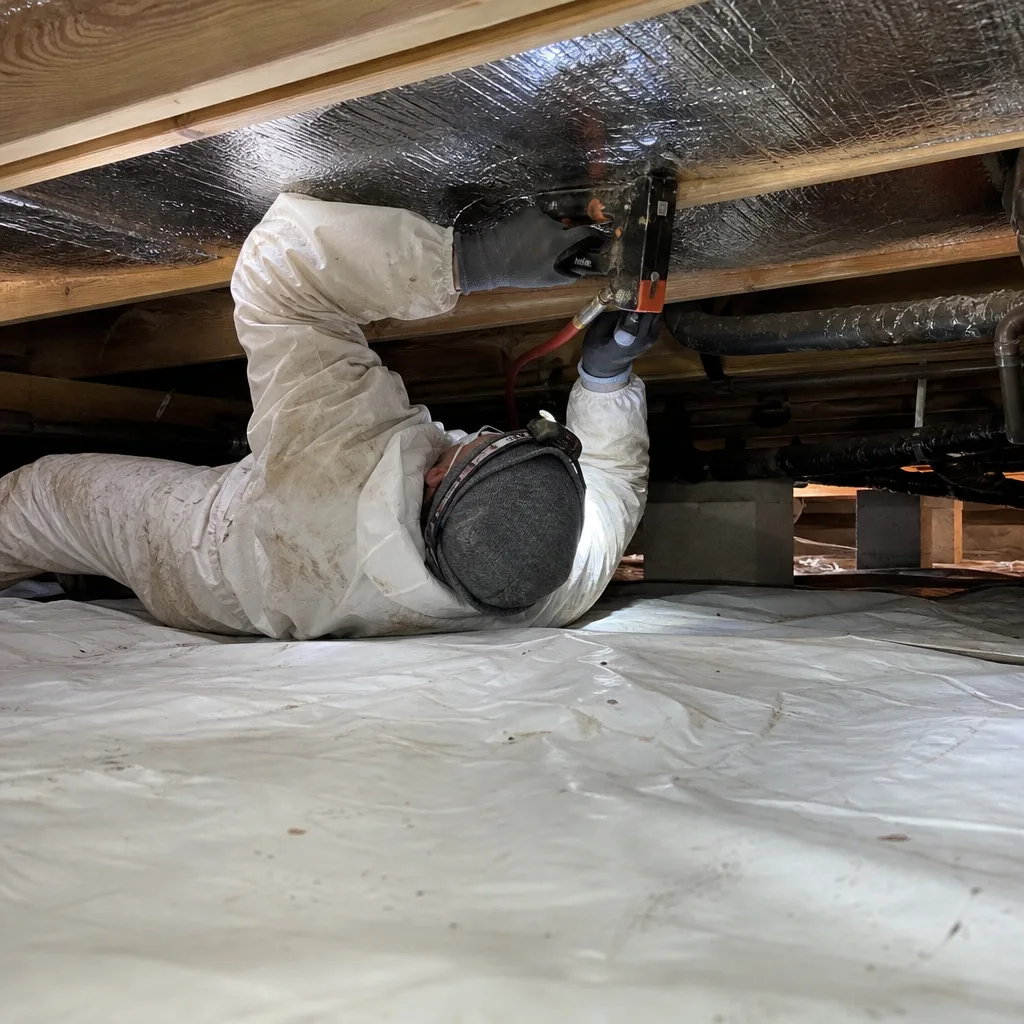
- Accepting a quote that lists only installed depth, not settled R-value. You’ll pay for 14 inches and receive R-30 performance when you expected R-38. Always require the settled number.
- Treating air sealing as an optional upgrade rather than a prerequisite. In Pflugerville’s climate, unsealed insulation is expensive filter media, not a thermal barrier. If the quote doesn’t specify penetration types, it doesn’t include air sealing.
- Hiring based on lowest price among bids that aren’t comparable. A $2,400 bid for “R-38 blown” and a $3,800 bid for “R-38 blown with full air sealing, blower-door verification, and photo documentation” are not the same service. Comparing them as if they were guarantees disappointment.
- Skipping the diagnostic to save time. The 45 minutes a proper blower-door test and thermal imaging require will save you from paying for insulation that doesn’t address your actual problem - whether that’s a disconnected duct, a roof leak wetting existing insulation, or a thermal bypass at a party wall.
- Not verifying TDLR license status independently. Contractors have presented expired licenses, licenses in other individuals’ names, or licenses for businesses that no longer exist. The five minutes at tdlr.texas.gov is non-negotiable due diligence.
- Ignoring warranty terms until there’s a problem. By then, the contractor who offered a “lifetime warranty” with no written terms has disappeared or claims the warranty covers only material defects, not installation errors. Read the warranty before signing, not after calling with a complaint.
- Assuming new construction in Pflugerville was properly sealed and insulated. Fast construction schedules, subcontractor turnover, and code inspections focused on visible items rather than envelope performance mean many 2015-2022 homes underperform their apparent specifications. We’ve measured post-2020 homes in Pflugerville with blower-door results worse than 1990s construction.
When to Call a Professional
Call a professional when your energy bills exceed comparable homes in your Pflugerville neighborhood, when rooms remain uncomfortably warm despite HVAC operation, when you find insulation disturbed by prior work or pest activity, or when you’re considering any attic modification that could affect envelope performance. Topside Attic Insulation Pflugerville offers free estimates in Pflugerville - call (737) 259-8352. Every estimate begins with a diagnostic visit including blower-door testing and thermal imaging where applicable, and every job closes with a Documented Photo Record and, on applicable work, before-and-after pressurization numbers you can verify yourself.
Frequently Asked Questions
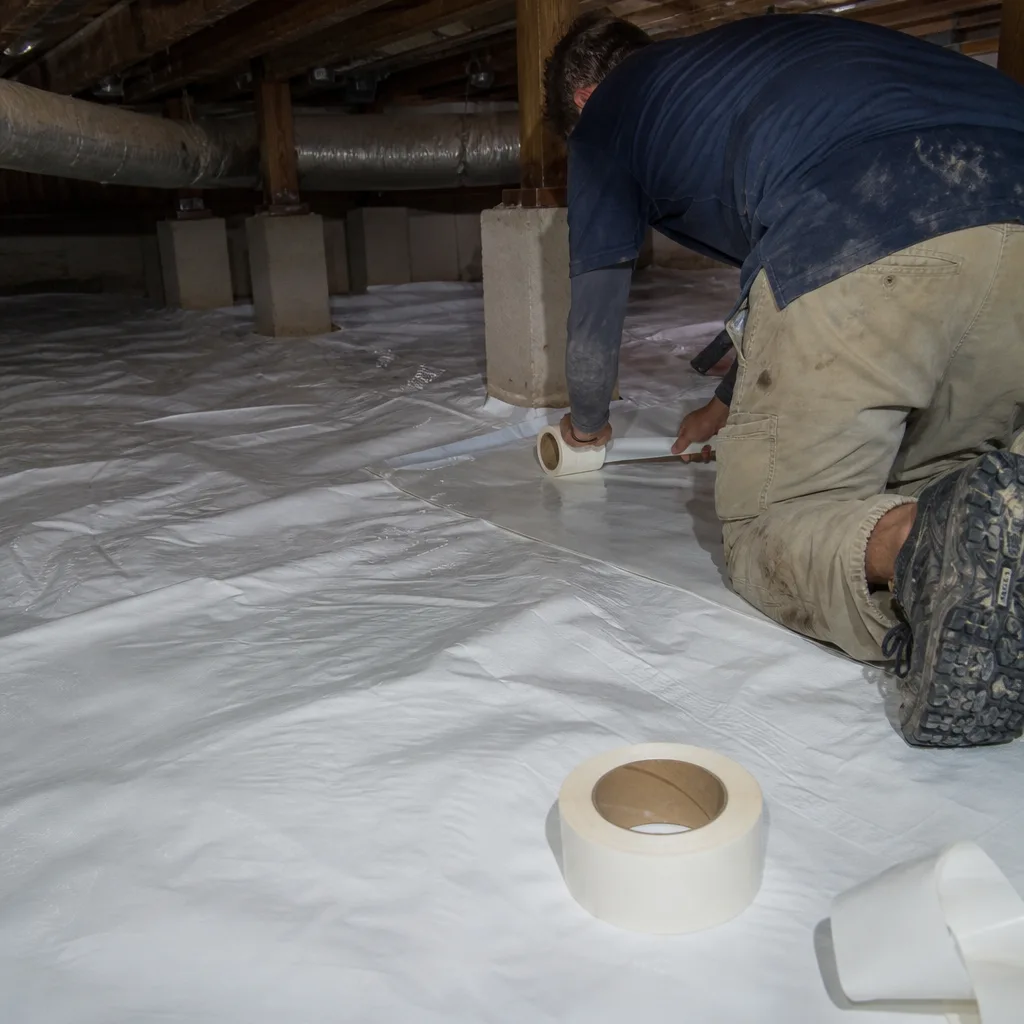
Most attic insulation jobs in Pflugerville homes of 1,500-2,500 square feet run between $2,800 and $5,400 for blown fiberglass or cellulose with comprehensive air sealing, depending on existing insulation condition and accessibility - details in our Insulation Cost Breakdown: The Pflugerville Homeowner’s Reference for 2026. Spray foam on roof decks ranges higher, typically $4,500-$9,000 for the same footprint. These ranges include material, labor, air sealing of specified penetrations, and documentation. Call (737) 259-8352 for an exact quote - estimates are free, and we deliver a written price before any work starts.
Repair is cheaper only when existing insulation is dry, uncontaminated, and properly installed without compression or gaps. In our Pflugerville work, we find this condition in roughly 30% of homes built after 2010. For the other 70%, partial repair leaves underlying problems - air leaks, moisture damage, pest contamination - unaddressed, and the homeowner pays twice. We assess existing conditions during our diagnostic and recommend removal only when repair would produce an inferior result. Call (737) 259-8352 and we’ll show you what we found in your attic, with photos.
Same-day repair is possible for discrete issues - a fallen batt, a small gap at an access hatch - but comprehensive envelope improvement requires scheduling. Our typical lead time in Pflugerville is 3-7 business days for attic work, allowing material ordering and crew assignment. Emergency service is available for situations involving active roof leaks or hazardous conditions. For scheduling, call (737) 259-8352 - a live person answers 24/7.
You need air sealing if your blower-door test reads above 3,000 CFM50 for a home under 2,500 square feet, or if thermal imaging shows bypasses at top plates, recessed lights, or duct penetrations. You may need additional insulation if existing R-value is below R-30 and the air-sealing baseline is acceptable. Most Pflugerville homes need both, in that order. We never recommend insulation without first assessing air leakage, because adding insulation to a leaky envelope wastes material and money.
A written quote in Texas should specify material manufacturer and product line, settled R-value with installed depth, a bulleted air-sealing scope, documentation deliverables, and attached warranty terms. It should reference the contractor’s TDLR license number where applicable and include proof of insurance. Under Haven Standard Clause 1, we deliver all of this before work starts, because a quote without these elements is not comparable to any other quote and cannot be evaluated for value.
Attic insulation with air sealing in a 2,000-square-foot Pflugerville home typically requires one day for air sealing and one day for insulation installation, with blower-door testing before and after. Crawl space encapsulation ranges from two to four days depending on size, condition, and whether mold remediation or structural repair is needed. We specify duration in our written scope so you can plan around the work, not accommodate indefinite construction.
The Bottom Line
Hiring an insulation contractor in Pflugerville is not primarily about comparing prices or verifying credentials, though both matter. It is about obtaining a written scope that defines the problem correctly - air leakage plus conductive heat loss - and specifies the solution in verifiable terms: material, R-value, sealing scope, documentation, and warranty. The contractor who cannot or will not provide these five elements in writing is not offering a comparable service, regardless of price. We’ve sealed and insulated over 9,000 homes since 2016, every one with a written price before work started and a documented record when the crew left. The homeowners who are satisfied five years later are the ones who demanded evidence before signing, not promises after.
Written by Wes Okafor, Owner at Topside Attic Insulation Pflugerville, serving Pflugerville since 2016.