
Last updated September 24, 2026
Insulation Cost Breakdown: The Pflugerville Homeowner’s Reference for 2026
The average Pflugerville attic insulation job is quoted at $1,200-$1,800 by material-only contractors and $2,400-$3,200 by contractors who include air sealing - but the homes that received air sealing show 18-22% lower cooling energy use in the first summer, which typically pays the difference in under four years. Yet most homeowners in Pflugerville never see the line-item breakdown that explains this gap. In this guide, we’ll walk through exactly what insulation costs in Pflugerville for 2026, why the cheapest bid often costs the most over time, and how to read a quote so you know what you’re actually buying. For seasonal insulation care tips to protect your investment year-round, see our dedicated homeowner’s guide.
Quick Answer
Insulating a 2,000 square foot attic in Pflugerville in 2026 typically runs $2,400-$3,800 for a complete job that includes air sealing, blown-in fiberglass or cellulose to R-38, hatch weatherstripping, and documented blower-door testing. Material-only bids that skip air sealing start around $1,200 but leave the home’s largest source of energy loss unaddressed. The metric that matters is not cost per square foot - it’s cost per unit of air leakage reduced, measured in ACH50.
Table of Contents
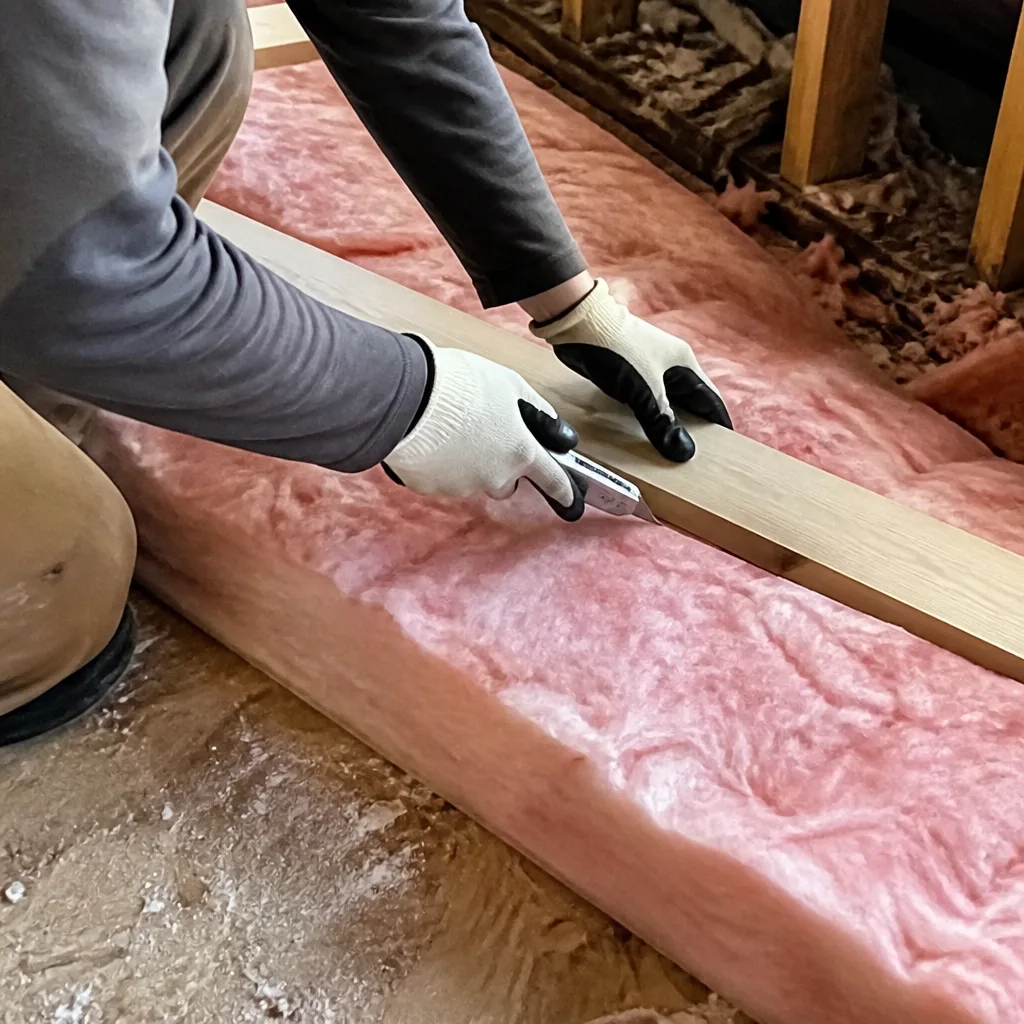
- Line-Item Cost Breakdown for a Typical Pflugerville Attic
- Why Cost-Per-Square-Foot Misleads
- Austin Energy Rebates and Pflugerville Utility Territories
- The Hidden Cost of Skipping Air Sealing
- What Documentation Is Worth at Resale
- Material Types and 2026 Pricing in Pflugerville
- How to Read an Insulation Quote in Pflugerville
- Common Mistakes to Avoid
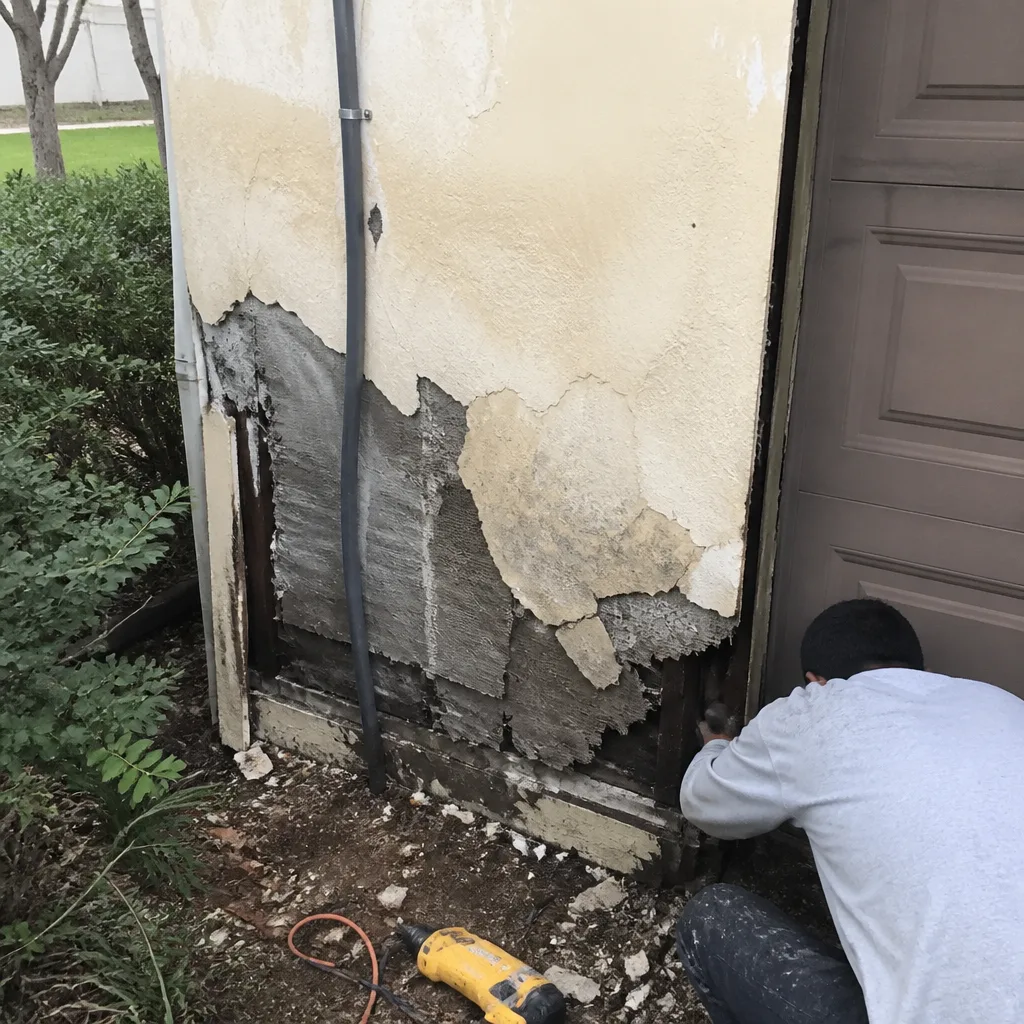 Before
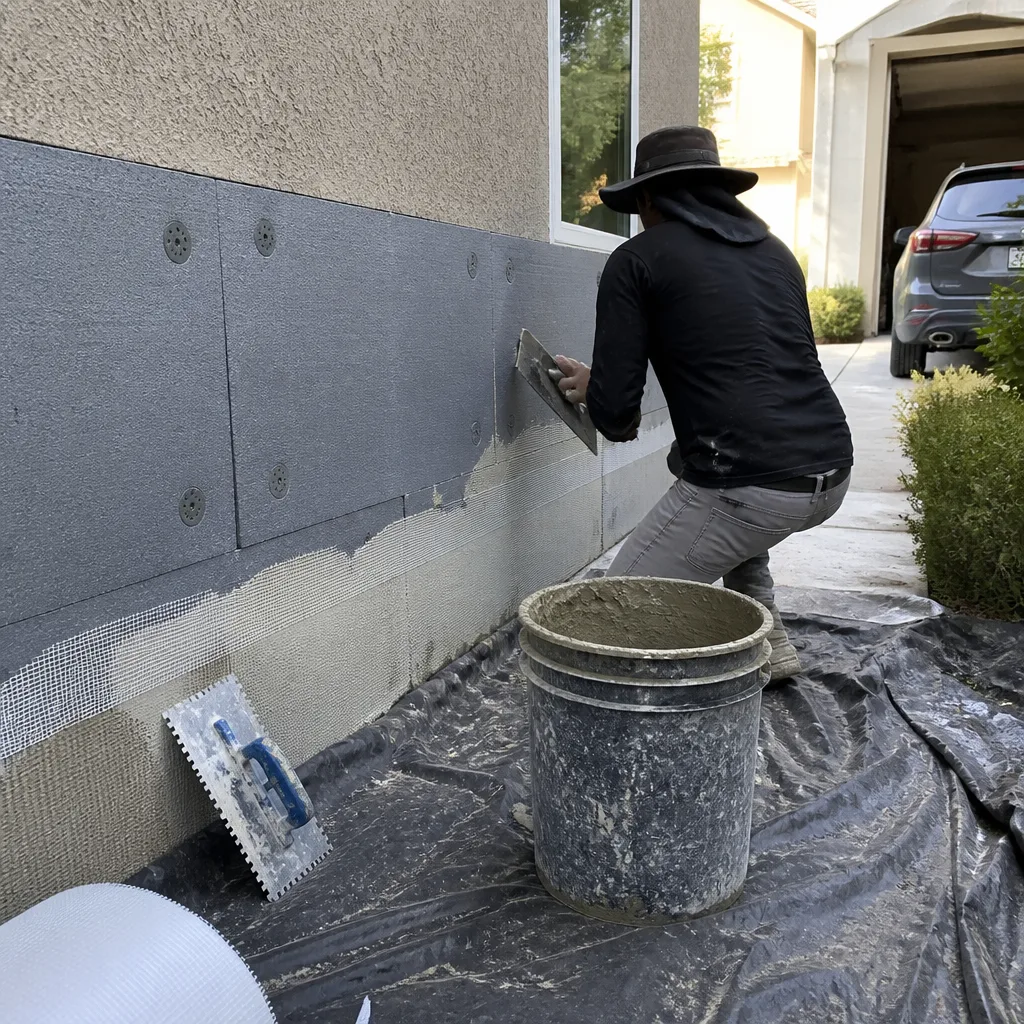 After
AfterLine-Item Cost Breakdown for a Typical Pflugerville Attic
Most insulation quotes in Pflugerville present a single number. Here’s what that number actually contains when broken down for a 2,000 square foot attic with standard 2×6 joists, the most common configuration in homes built between 1995 and 2015 in neighborhoods like Windermere, Avalon, and Heatherwilde.
| Line Item | Low-Quality Bid | Complete Job |
|---|---|---|
| Blown-in fiberglass or cellulose (R-38, ~12 inches) | $0.80-$1.20/sq ft | $0.90-$1.30/sq ft |
| Air sealing labor (top plates, can lights, penetrations, drywall gaps) | Omitted or “included” with no hours specified | $0.40-$0.70/sq ft |
| Attic hatch weatherstripping and insulation cap | Omitted | $150-$280 |
| Blower-door test (pre- and post-) | Omitted | $250-$400 |
| Written scope, warranty, and photo documentation | Verbal only | Included in labor rate |
| Total for 2,000 sq ft attic | $1,200-$1,800 | $2,400-$3,800 |
The gap between these bids is not markup. It’s scope. In our experience across more than 9,000 homes sealed and insulated since 2016, the low bid almost always means the crew will blow material over an unsealed attic floor. The conditioned air you paid to cool will still leak out through the same gaps; the insulation simply slows the loss slightly.
Air sealing labor in Pflugerville attics typically requires 6-10 hours for a crew of two on a 2,000 square foot home. The work involves sealing top plates where interior walls meet the attic floor, boxing around can lights with fire-rated covers, foaming plumbing and electrical penetrations, and addressing the chase around the furnace flue. Each of these is a thermal bypass - a pathway that bypasses the insulation entirely.
Hatch weatherstripping is another item that disappears from low bids. The attic hatch is a square hole in your ceiling, often unsealed, with a piece of drywall or plywood resting on trim molding. Without compression weatherstripping and an insulated cap, it’s equivalent to leaving a window cracked year-round in Pflugerville’s climate.
The blower-door test fee covers setup, the pressurization reading itself, and the written report. We publish before-and-after numbers on every applicable job so the homeowner can verify the air-sealing result in a single figure: CFM50, or cubic feet per minute at 50 pascals of pressure. A typical Pflugerville tract home built in the 2000s reads 3,500-5,000 CFM50 before sealing and 2,000-2,800 after complete air sealing and insulation.
Why Cost-Per-Square-Foot Misleads
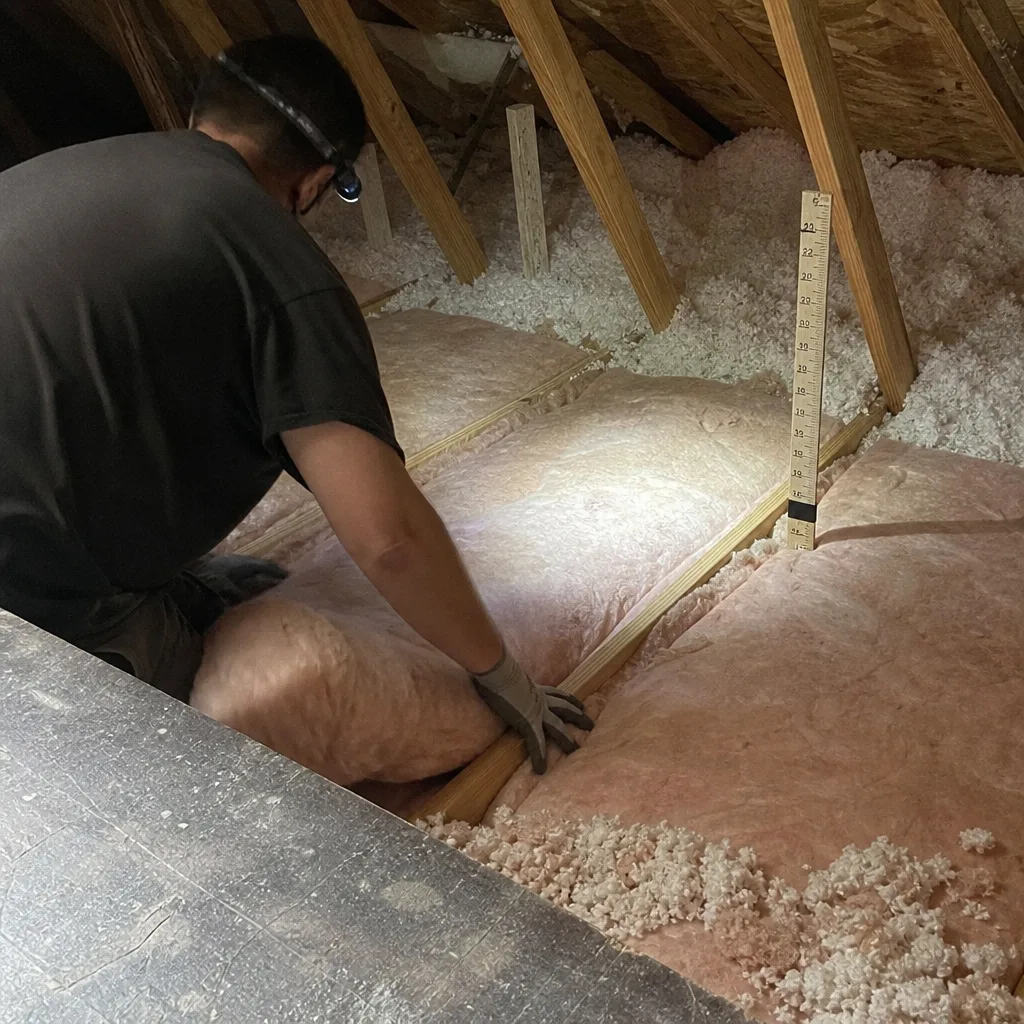
Cost per square foot is the metric every homeowner asks for and the metric every contractor learns to optimize. It’s also the wrong way to compare insulation bids.
Here’s why: two Pflugerville homes with identical attic footprints can have radically different air leakage profiles. A 2,000 square foot home in Old Town Pflugerville, built in 1985 with balloon framing and minimal original sealing, might leak at 6,000 CFM50. An identical footprint in Sorento, built in 2015 with modern air barriers, might leak at 2,800 CFM50. Blowing the same R-38 cellulose into both attics at $1.10 per square foot produces two very different results. The 1985 home still loses enormous amounts of conditioned air; the 2015 home performs reasonably well.
The metric that captures actual performance is cost per ACH50 unit of air leakage reduced. ACH50 - air changes per hour at 50 pascals - normalizes the blower-door reading to the home’s volume. A drop from 8 ACH50 to 4 ACH50 in a 2,000 square foot home with 8-foot ceilings means the contractor removed half the air leakage. If the complete job cost $3,200, the cost per ACH50 reduced is $800. That figure lets you compare bids across different homes and different starting conditions.
Another useful metric: cost per R-value point added at current energy prices. In Pflugerville, where cooling dominates and Austin Energy’s summer rates hit $0.14-$0.18 per kWh, each additional R-value in the attic yields measurable savings. A homeowner going from R-19 to R-38 gains 19 R-value points. At $3,200 for the complete job with air sealing, that’s $168 per R-value point - but the air sealing component delivers savings that the R-value alone cannot capture, since it stops duct leakage and stack effect losses.
When we evaluate our own jobs in Pflugerville, we report both metrics. The homeowner receives the blower-door numbers, the ACH50 calculation, and the projected annual savings based on their specific utility rate and home size. This is the documentation that makes a bid comparable across contractors.
Austin Energy Rebates and Pflugerville Utility Territories
Pflugerville sits at the edge of three electric utility territories, and the rebate landscape depends entirely on which meter serves your address.
Austin Energy territory: Portions of Pflugerville east of Dessau Road and south of Wells Branch Parkway fall within Austin Energy’s service area. These addresses qualify for the Home Performance with ENERGY STAR program, which rebates attic insulation and air sealing work when performed by a participating contractor. The 2026 rebate structure pays $0.15 per square foot for attic insulation upgrades and $150 for duct sealing, with a maximum of $1,800 per home. Critical requirement: pre- and post-work blower-door testing by a certified rater, with documentation submitted through Austin Energy’s online portal. The homeowner receives the rebate as a bill credit 8-12 weeks after submission.
Bluebonnet Electric Cooperative territory: Most of Pflugerville proper and areas north and east of downtown are served by Bluebonnet. As of 2026, Bluebonnet offers no direct insulation rebate program but participates in the statewide Texas PACE financing program for energy efficiency improvements, which allows repayment through property tax assessments. Documentation requirements include a written contractor estimate and a home energy audit report.
Oncor Electric Delivery territory: Western Pflugerville addresses near the Round Rock border may fall under Oncor. Oncor’s 2026 Take A Load Off Texas program rebates attic insulation at $0.10 per square foot for R-30 or greater, with a $500 per-home cap. Requires pre-approval before work begins and a final inspection photo showing insulation depth with a visible ruler.
The documentation each utility demands is not optional paperwork. It’s the same documentation we deliver on every job: written scope, written price, blower-door readings, and photo record. Homeowners in Austin Energy territory who use a contractor without blower-door capability forfeit their rebate entirely - a $1,200-$1,800 loss that often exceeds the price difference between a complete job and a material-only bid.
In Pflugerville’s climate, where cooling loads dominate and summer peaks strain the grid, utilities have structured these rebates to favor comprehensive work. Austin Energy’s program specifically requires air sealing as a prerequisite for the insulation rebate. Contractors who skip sealing are not just delivering inferior results; they’re disqualifying their customers from available incentives.
The Hidden Cost of Skipping Air Sealing
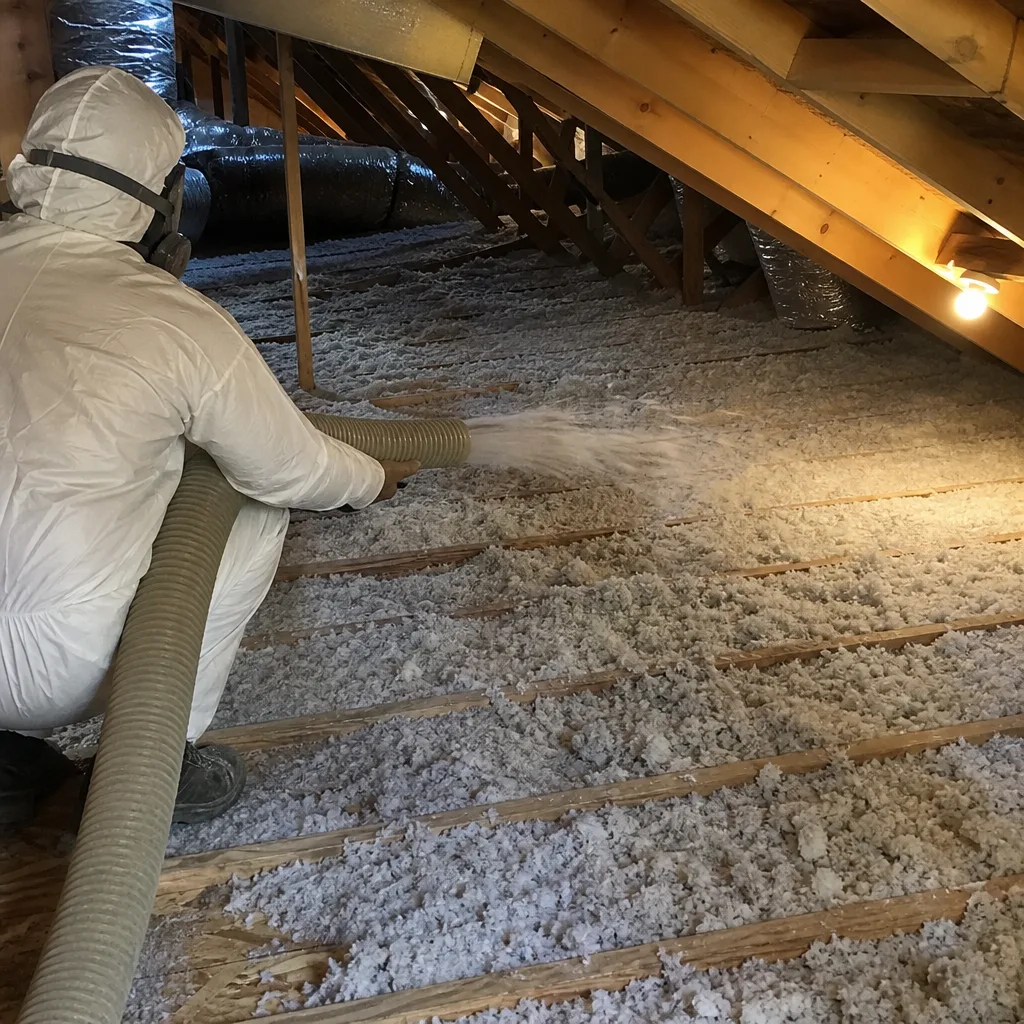
The average duct leakage in Pflugerville tract homes runs 15-25% of system capacity, based on our testing across hundreds of local jobs. This means a 3-ton air conditioner is effectively a 2.25-2.55-ton unit by the time the air reaches the registers. The lost capacity doesn’t disappear harmlessly; it pressurizes or depressurizes the attic, accelerating the very thermal losses that insulation is meant to slow.
When a contractor blows insulation over unsealed ductwork and an unsealed attic floor, three problems compound:
- Duct leakage worsens. The pressure differential across the duct envelope increases as insulation slows heat transfer but doesn’t stop air movement. Leaks that were marginal at 10% leakage become significant at 20%.
- Insulation performance degrades. Air moving through fiberglass or cellulose strips heat away from the fibers, reducing the effective R-value by 30-50% in the leakage pathways. This is wind-washing - convective heat loss that bypasses the insulation’s conductive resistance.
- Moisture risk rises. In Pflugerville’s humid shoulder seasons, warm moist attic air drawn into leaky ducts condenses on cool coil surfaces. We’ve found mold in duct systems where insulation was added without sealing, particularly in homes with flex duct routed through hot attics.
The financial cost plays out over years. A homeowner who pays $1,500 for material-only insulation in a 2,000 square foot Pflugerville home saves approximately $180-$220 annually on cooling. The homeowner who pays $3,200 for complete air sealing and insulation saves $480-$620 annually. The $1,700 premium pays back in 4-5 years at current rates, faster if Austin Energy rates continue their 2019-2025 trajectory of 4-6% annual increases.
But the payback calculation assumes the material-only insulation performs as specified. In practice, wind-washing and duct leakage often mean the effective improvement is half the rated R-value. The real payback stretches to 8-10 years, or never, if the insulation compacts or the ducts deteriorate faster due to the unaddressed pressure imbalances.
We document this on every job with blower-door numbers. A typical Pflugerville home in Windermere, built 2004, tested at 4,200 CFM50 before our crew started. After six hours of air sealing and R-38 blown fiberglass, the reading was 2,100 CFM50. The homeowner’s August 2025 electric bill was $287; August 2024 was $412. The documentation shows why.
What Documentation Is Worth at Resale
A documented blower-door result before and after insulation work is treated as verified energy performance data in an energy disclosure. Under Fannie Mae’s green mortgage guidelines, homes with third-party verified energy improvements may qualify for expanded debt-to-income ratios - effectively, the lender recognizes lower utility costs as increasing the borrower’s capacity to pay. The 2025 update to these guidelines specifically lists blower-door test results as acceptable verification, provided the test follows RESNET standards and the report includes the testing company’s identification.
For Pflugerville homeowners selling into a market where buyers aged 32-50 research thoroughly, the documentation serves a second function: it distinguishes the listing. A home with a written record showing 4,800 CFM50 reduced to 2,400 CFM50, with photos of sealed top plates and insulated hatches, communicates something that “new insulation” in the listing description cannot. The buyer’s inspector can verify the work; the buyer’s lender can reference it; the appraiser can note it in the addendum.
We’ve had past customers in Pflugerville report that their documented photo record and blower-door report became a negotiating asset at sale. One homeowner in Heatherwilde, selling in 2024, provided our report to the buyer’s agent; the buyer waived the energy audit contingency they had planned to add. The $3,400 job from 2020 returned value at sale that exceeded its original cost.
The alternative - insulation with no documentation - creates uncertainty. The next owner cannot verify what was installed, when, or whether it was done correctly. In Pflugerville’s competitive resale market, uncertainty translates to lower offers or repair credits.
Under Haven Standard: Have it in writing. The written scope, written price, written warranty, and documented photo record are not administrative overhead. They’re the proof of what was done, available when the homeowner needs it - for rebates, for warranty claims, for resale, or simply to understand their own home.
Material Types and 2026 Pricing in Pflugerville
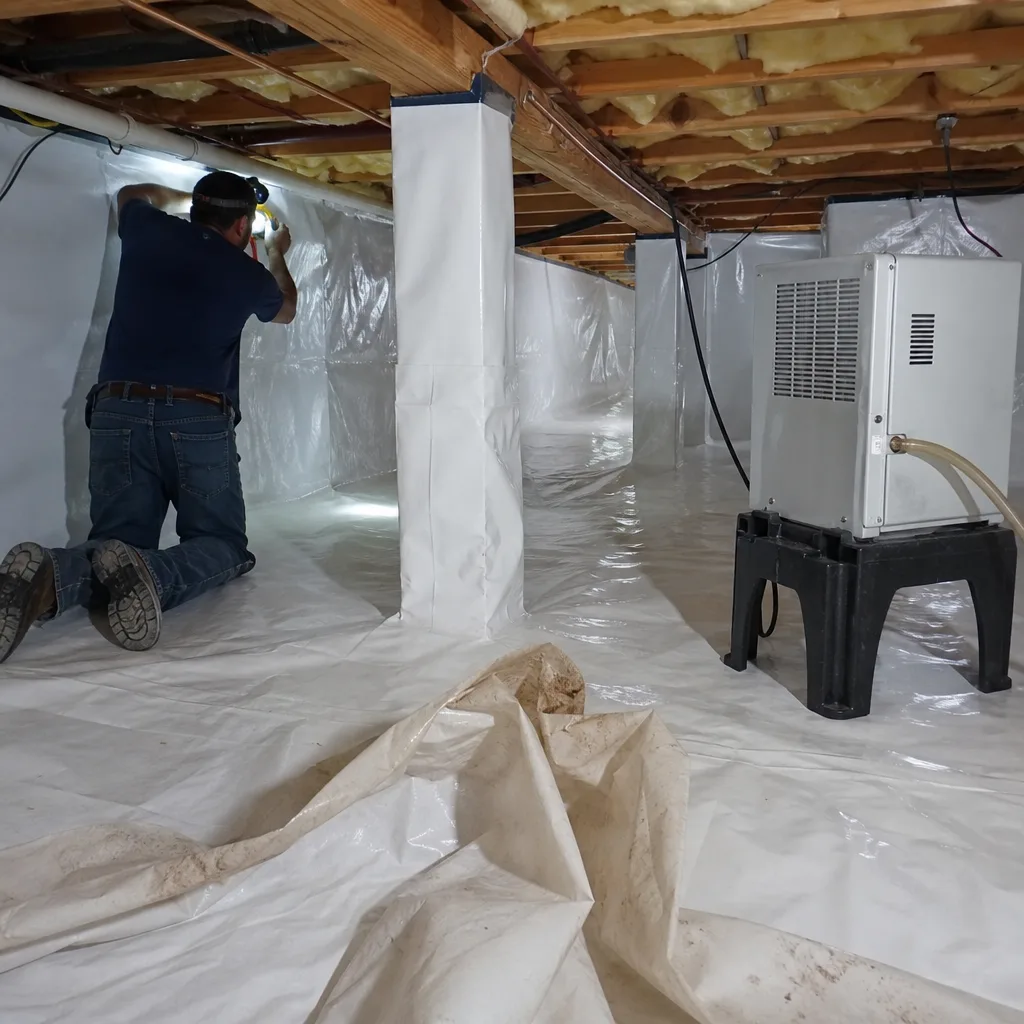
Pflugerville’s climate - hot, humid summers with mild winters - shapes which insulation materials make sense and what they cost.
Blown-in fiberglass: The default for most Pflugerville attics. Owens Corning AttiCat and Johns Manville Climate Pro are the products we see most often. 2026 material costs run $0.35-$0.50 per square foot at R-38 depth. Fiberglass doesn’t absorb moisture, important in attics where roof leaks or condensation occur. It also doesn’t settle significantly if installed to proper density. The downside: air moves through it easily, making air sealing prerequisite rather than optional.
Blown-in cellulose: GreenFiber and similar products run $0.30-$0.45 per square foot at R-38. Cellulose is treated with borate fire retardant and pest deterrent. It densifies better than fiberglass, providing some air resistance, though not air sealing. In Pflugerville’s humidity, cellulose requires careful installation - moisture content above 25% at installation can lead to mold. We measure moisture content with a probe on every cellulose job and document the reading.
Spray foam (open-cell): Icynene and Demilec open-cell foams at 3.5 inches provide R-13 and an air barrier in one application. Cost: $1.20-$1.80 per square foot for roof deck application, or $3.00-$4.00 per square foot for full attic floor coverage to R-38 equivalent depth. Open-cell is vapor-permeable, which matters in Pflugerville: it allows roof deck moisture to dry inward, reducing the risk of trapped condensation that closed-cell can create.
Spray foam (closed-cell): Higher R-value per inch (R-6.5) and vapor-impermeable. Used in Pflugerville primarily for crawl space walls and rim joists, not attic roof decks, due to moisture trapping concerns. Cost: $1.50-$2.20 per board foot.
Radiant barrier: Foil-faced sheathing or draped foil installed on rafters. Reduces radiant heat gain in Pflugerville’s 105°F summer attics. Material cost $0.15-$0.30 per square foot; labor-intensive to install properly. Most effective when combined with adequate insulation, not as a substitute.
Material selection should follow diagnostics, not preference. A home with significant duct leakage in the attic may benefit from spray foam on the roof deck, converting the attic to conditioned space and moving ducts inside the envelope. A home with good ducts and air sealing may perform optimally with blown fiberglass at lower cost. We make this determination after blower-door testing and visual inspection, not from the phone.
How to Read an Insulation Quote in Pflugerville
A quote is a contract preview. Here’s what to verify before signing.
- Is air sealing listed as a separate line item with labor hours? “Includes air sealing” with no hours or scope is a red flag. Specificity matters: “Seal top plates, 12 can lights with fire-rated covers, 8 electrical penetrations, 3 plumbing stacks, furnace flue chase with sheet metal and fire caulk.”
- Is the insulation material specified by brand and product? “Blown insulation” is insufficient. “Owens Corning AttiCat fiberglass, R-38, approximately 12 inches settled depth” is what you need.
- Is the blower-door test described, and are the results guaranteed in writing? The quote should state whether pre- and post-testing is included and what form the report takes. We provide a printed summary with CFM50, ACH50, and photos of test setup.
- Is the price fixed? Under Haven Standard Clause 1: flat price, written scope, written warranty before anyone lifts a tool. If the quote says “subject to conditions” or “estimate may change,” the final price is not controlled.
- What documentation accompanies completion? Photo record, written report, warranty document. These should be described, not available “on request.”
- Is the warranty period stated? Our 365-Day Done Right Promise applies to all completed work. Other contractors may offer 1 year, 5 years, or lifetime on materials only. Read carefully: material warranties from manufacturers like Owens Corning or Knauf are separate from the installer’s workmanship warranty.
We offer a Free Second Opinion on Any Written Estimate - bring us a competing quote and we will read it with you, line by line, to identify what’s included and what’s omitted. No obligation. The goal is an informed decision, not a quick signature.
Common Mistakes to Avoid
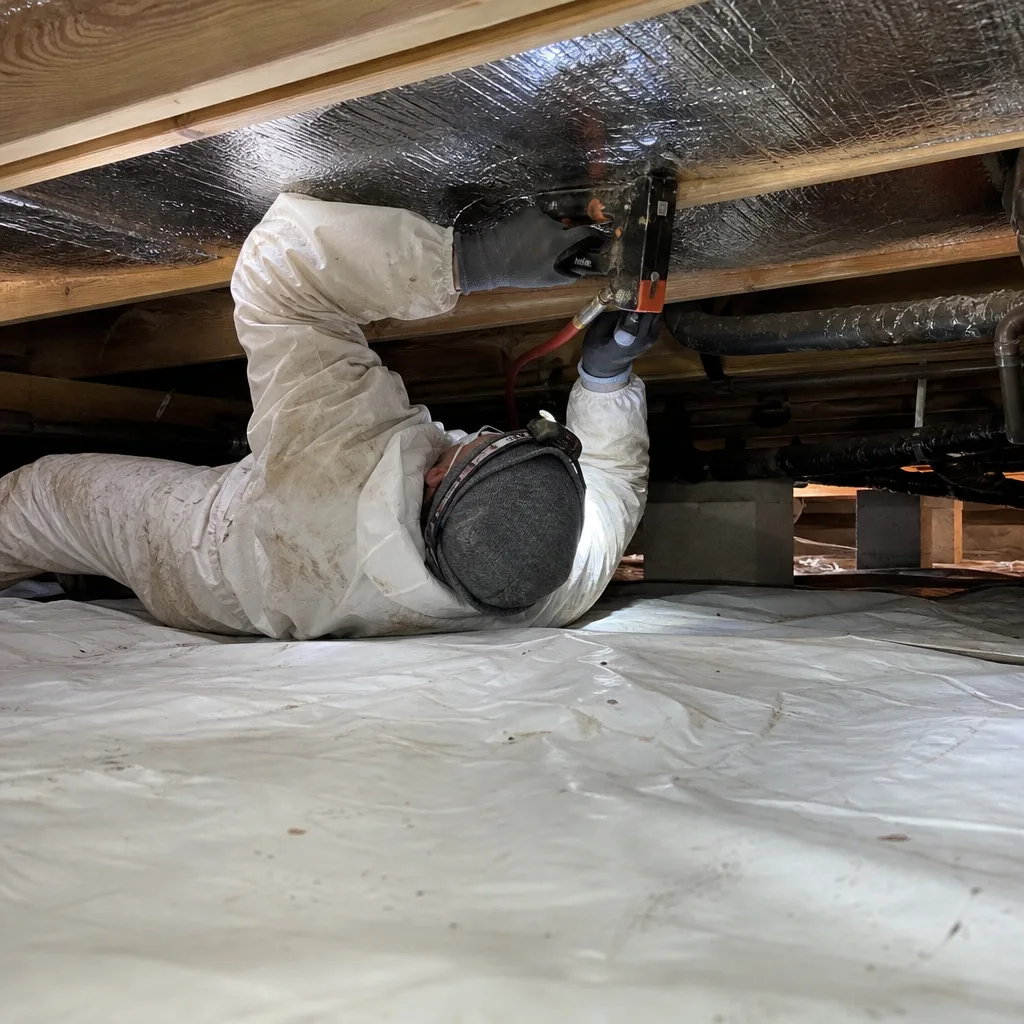
- Comparing bids by total price alone. A $1,400 bid and a $3,200 bid for the same attic are not comparable without scope verification. The lower bid likely omits air sealing, testing, and documentation.
- Assuming all R-38 is equal. R-value measures conductive resistance only. Air leakage, wind-washing, and installation quality determine actual performance. A poorly installed R-38 can perform like R-25.
- Ignoring the attic hatch. In Pflugerville homes, the unsealed hatch can account for 15-20% of total attic heat loss. Contractors who don’t address it are leaving a hole in your thermal envelope.
- Skipping pre-work blower-door testing. Without a baseline, there’s no verification of improvement. Post-work testing alone proves nothing about what changed.
- Choosing spray foam for every application. Spray foam is excellent for specific conditions but overkill and potentially risky for others. Roof deck foam in a vented attic without proper moisture management can trap humidity.
- Neglecting utility rebate pre-approval. Austin Energy and Oncor require pre-approval for rebate eligibility. Starting work before approval forfeits the incentive.
- Hiring based on speed of availability alone. A crew available tomorrow may be available for a reason. In Pflugerville’s peak season (March-June), quality contractors book 2-4 weeks out.
When to Call a Professional
Call when your summer cooling bills exceed $350 for a home under 2,500 square feet, when rooms farthest from the air handler stay 4°F or more warmer than the thermostat setting, or when you can see floor joists above the existing insulation. These symptoms indicate insufficient insulation, air leakage, or both. In Pflugerville’s climate, delaying the work means paying premium summer rates for conditioned air that leaves through the attic.
Topside Attic Insulation Pflugerville offers free estimates in Pflugerville - call (737) 259-8352. Every estimate includes a written price before any work starts, and we provide a Free Second Opinion on any written estimate you’ve already received.
Frequently Asked Questions
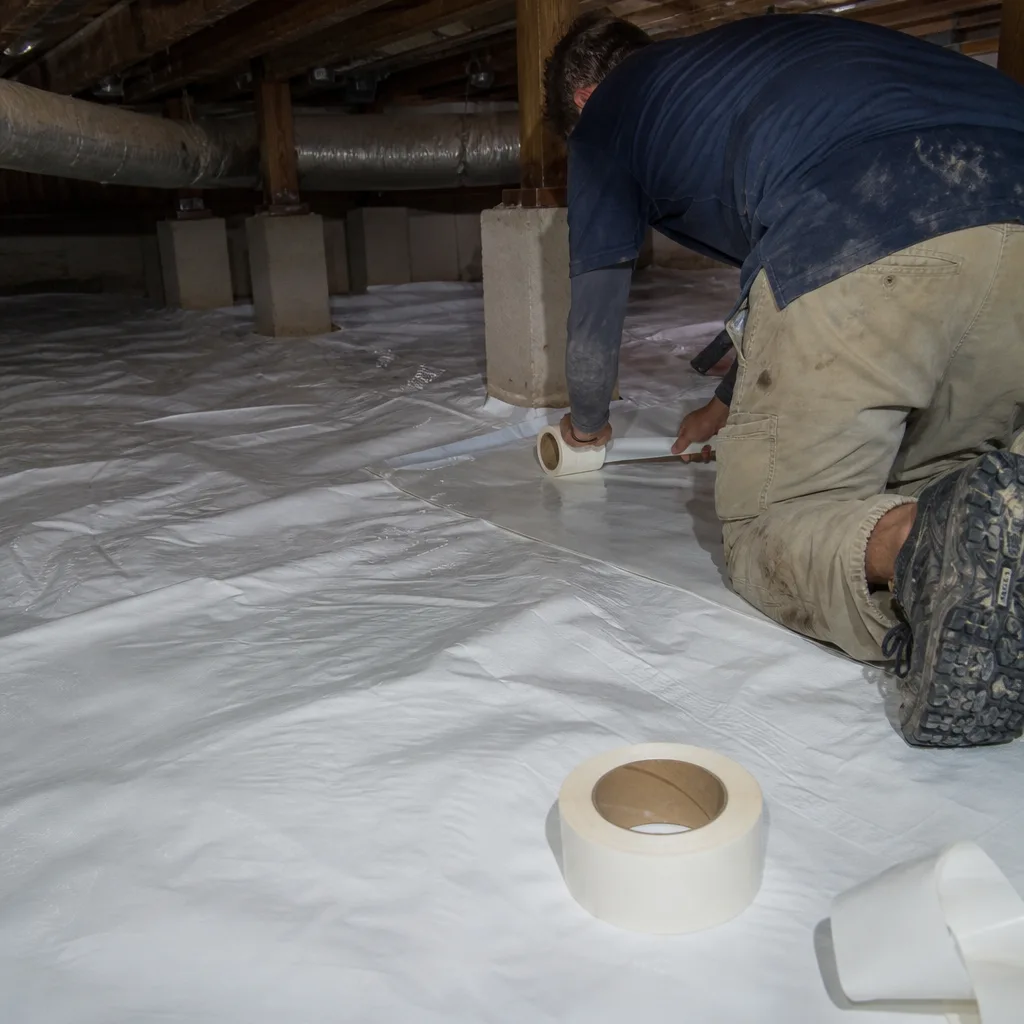
Attic insulation in Pflugerville costs $1,200-$1,800 for material-only installation and $2,400-$3,800 for a complete job including air sealing, blower-door testing, and documentation. The price depends on attic square footage, current insulation condition, accessibility, and whether ductwork requires sealing. Call (737) 259-8352 for a written estimate specific to your home - estimates are free.
Repair is rarely practical. Existing insulation that has been compressed by storage, contaminated by rodents, or water-damaged cannot be restored to rated R-value. Removal and replacement costs $1.50-$2.50 per square foot in Pflugerville, including disposal and cleaning. In our experience, homes built before 2005 with original insulation almost always benefit from removal, air sealing, and new material rather than topping off. Call (737) 259-8352 and we will assess what’s actually in your attic.
Same-day service is available for urgent situations like insulation displacement after roof repairs, but comprehensive air sealing and insulation replacement requires scheduling. A typical Pflugerville attic job takes one day for air sealing and a second day for insulation installation, with blower-door testing on both days. Emergency calls are answered by a live person 24/7 at (737) 259-8352.
Austin Energy serves portions of Pflugerville east of Dessau Road and south of Wells Branch Parkway. Addresses north and east of downtown Pflugerville are typically Bluebonnet Electric Cooperative; western areas near Round Rock may be Oncor. Your electric bill shows the provider. Each utility has different rebate requirements and documentation standards. We verify your utility territory during estimation and handle rebate paperwork for qualifying jobs.
Read the scope of work. Air sealing should appear as a separate line item with specific tasks: sealing top plates, can lights, electrical and plumbing penetrations, and the attic hatch. Phrases like “prep work included” or “we seal as needed” without itemization typically mean minimal or no sealing. Under Haven Standard, we list every sealing task with estimated hours before any work starts.
A blower-door test is a pressurization reading that shows, in one number, how much air your building envelope is losing. The test uses a powerful fan mounted in an exterior door to depressurize the home, measuring the airflow required to maintain a 50-pascal pressure difference. In Pflugerville, a typical pre-improvement reading is 3,500-5,000 CFM50; after proper air sealing and insulation, 2,000-2,800 CFM50. The reduction directly correlates to lower cooling costs, since less conditioned air escapes and less hot attic air infiltrates. We provide before-and-after numbers on every applicable job.
The Bottom Line
Insulation cost in Pflugerville is not a single number - it’s a bundle of decisions about scope, documentation, and long-term performance. The homeowner who understands line-item pricing, demands blower-door verification, and reads quotes for omitted air sealing will spend more upfront and less over the life of the home. The cheapest bid leaves the largest source of energy loss unaddressed and often disqualifies the homeowner from utility rebates that would have offset the difference. In Pflugerville’s climate, where cooling dominates and rates continue rising, the complete job pays for itself faster than the material-only alternative - and the documentation it produces protects value at resale.
Written by Wes Okafor, Owner at Topside Attic Insulation Pflugerville, serving Pflugerville since 2016.